. 2024 Nov;53(11):336-346.
doi: 10.1038/s41684-024-01457-5. Epub 2024 Oct 22.

A novel model of cardiovascular-kidney-metabolic syndrome combining unilateral nephrectomy and high-salt-sugar-fat diet in mice

Affiliations

A novel model of cardiovascular-kidney-metabolic syndrome combining unilateral nephrectomy and high-salt-sugar-fat diet in mice

Lucas Rannier R A Carvalho et al. Lab Anim (NY). 2024 Nov.

Abstract

The aim of this study was to explore biological interaction and pathophysiology mechanisms in a new mouse model of cardiovascular-kidney-metabolic (CKM) syndrome, induced by chronic moderate renal failure in combination with consumption of a customized Western diet rich in carbohydrates, fat and salt. Male C57BL/6J mice were subjected to unilateral nephrectomy, fed a customized Western diet rich not only in sugar and fat but also in salt, and followed for 12 weeks or 20 weeks. Sham-operated mice on a standard chow served as healthy controls. Body composition, weight gain, glucose metabolism, fat distribution, blood pressure, cardiac function, vascular reactivity, renal function, inflammation and mitochondrial function were measured and combined with biochemical and histopathological analyses. The novel triple-hit model of CKM syndrome showed signs and symptoms of metabolic syndrome, disturbed glucose metabolism, impaired adipocyte physiology and fat redistribution, cardiovascular dysfunction, renal damage and dysfunction, systemic inflammation, elevated blood pressure and cardiac remodeling. The pathological changes were more pronounced in mice after prolonged exposure for 20 weeks, but no deaths occurred. In the present mouse model of CKM syndrome, profound and significant metabolic, cardiac, vascular and renal dysfunctions and injuries emerged by using a Western diet rich not only in fat and carbohydrates but also in salt. This multisystem disease model could be used for mechanistic studies and the evaluation of new therapeutic strategies.


Conflict of interest statement

The authors declare no competing interests.

Figures
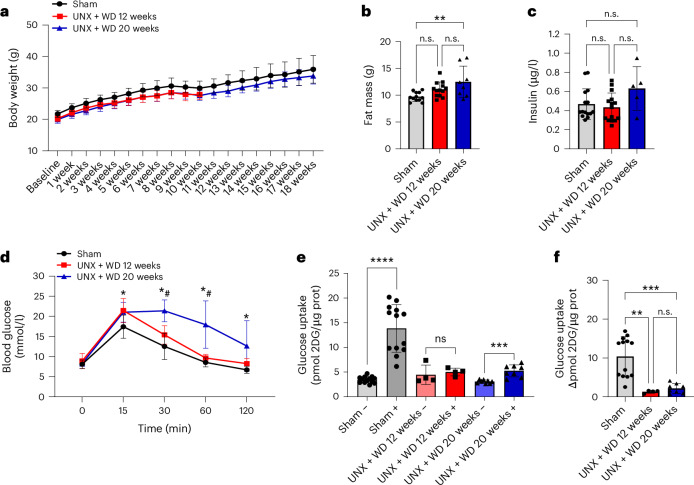
Fig. 1
Fig. 1. Metabolic parameters.
Evaluation of the metabolic profile of mice with early-life UNX and consuming a modified WD with high sugar, fat and salt for 12 and 20 weeks. a, Body weight curve in grams. b, Fat mass quantified by dual-energy X-ray absorptiometry scan. c, Serum insulin levels in a fed state in the first hours of the day. d, Intraperitoneal glucose tolerance test (ipGTT); *, compared with sham group; #, compared with UNX + WD 12 weeks group. e, Glucose uptake in isolated skeletal muscle (extensor digitorum longus) with (+) and without (−) insulin. f, The insulin-mediated glucose uptake presented as the change in glucose uptake with and without insulin in muscles from the same animal. 2DG, 2-deoxyglucose; prot, protein. The data are expressed as mean ± s.d., and the number of samples per method is described in Supplementary Table 2. For all parameters, one-way ANOVA was performed followed by Tukey’s multiple comparison test, except for the glucose tolerance test (d) where the two-way ANOVA test was performed. n.s., not significant, *P < 0.05, **P < 0.01, ***P < 0.001. #, Compared with the UNX + WD 12 weeks group. Source data
Fig. 2
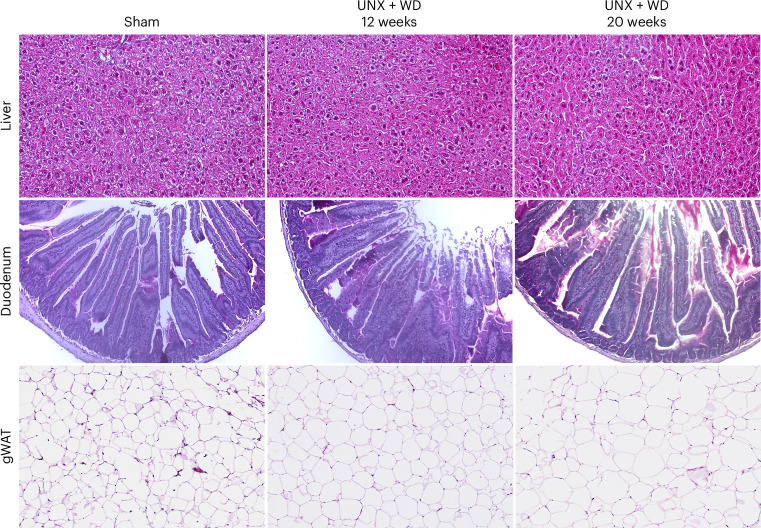
Fig. 2. Histopathological evaluation of liver, duodenum and gWAT.
Microscopic analyses of samples from mice subjected to UNX that consumed WD rich in salt for 12 and 20 weeks, compared with the control group. Samples stained with hematoxylin–eosin (HE). Top: photomicrographs of the liver parenchyma showing normal liver architecture, absence of inflammatory infiltrate and no signs of increased deposition of fat globules (20× objective). Middle: photomicrographs of the cross-section of the duodenal wall, to measure the size of the villi and crypts and evaluate the absorption surface and intestinal morphology (10× objective). Bottom: photomicrographs of gWAT with an evident increase in the average size of adipocytes in the groups exposed to UNX + WD compared with adipocytes from the same tissue in the sham-operated control group (20× objective).
Fig. 3
Fig. 3. Cardiovascular functional parameters.
The cardiovascular functional profile of mice that underwent UNX and were fed with a salt-rich WD for 12 and 20 weeks, compared with the sham-operated group consuming RD. a, MAP. bf, Echocardiography investigation in anesthetized mice, to measure the following: IVS thickness (b); left ventricle FS (c); cardiac output (CO) (d); stroke volume (SV) (e); ejection fraction (EF) (f). g, The mitochondrial activity of heart complex I. h, The ratio for the number of atoms of phosphorus incorporated as ATP per molecule of oxygen (O2) consumed during oxidative phosphorylation in aerobically respiring cardiomyocytes mitochondria. i, The dose-dependent vessel relaxation curve of mesenteric arteries evaluated on myograph. PE, phenylephrine. The data are expressed as mean ± s.d., and the number of samples per method is described in Supplementary Table 2. For all parameters, one-way ANOVA was performed followed by Tukey’s multiple comparison test, with the exception of the Ach dose–response vessel relaxation curve (i) where a two-way ANOVA test was performed. *P < 0.05, ** P < 0.01, ***P < 0.001, **** P < 0.0001. Source data
Fig. 4
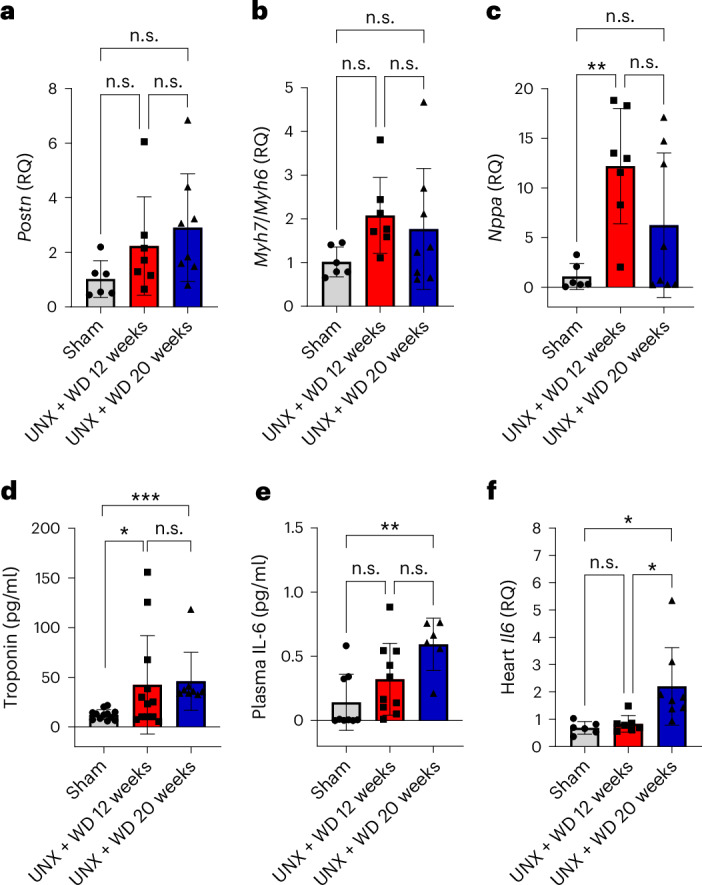
Fig. 4. Cardiovascular biochemical and transcriptional parameters.
The cardiovascular biochemical and transcriptional profile of mice that underwent UNX and were fed with a salt-rich WD for 12 and 20 weeks, compared with the sham-operated group consuming RD. mRNA or protein levels of biomarkers of cardiac injury, remodeling and inflammation were measured in cardiac tissue samples. a, Postn. b, The ratio of myosin heavy chain 7 (Myh7) and myosin heavy chain 6 (Myh6). c, ANP (Nppa). d, Troponin. e, IL-6 in plasma. f, Il6 in cardiac tissue. The data are expressed as mean ± s.d. and relative quantification (RQ) of fold over control for mRNA data; the number of samples per method is described in Supplementary Table 2. For all parameters, one-way ANOVA was performed followed by Tukey’s multiple comparison test. *P < 0.05, **P < 0.01, ***P < 0.001. Source data
Fig. 5
Fig. 5. Histopathological evaluation of the heart.
The cardiovascular histopathology of mice that underwent UNX and were fed with a salt-rich WD for 12 and 20 weeks, compared with the sham-operated group consuming RD. a, Interstitial fibrosis assessed by PicroSirius Red (PSR) staining at ×200 magnification (representative images in the first column in d). b, Perivascular fibrosis assessed by PSR staining at ×400 magnification (representative images in the second column in d). c, Cardiomyocyte size assessed by HE stain at ×400 magnification (representative images in the third column in d). The data are expressed as mean ± s.d., and the number of samples per method is described in Supplementary Table 2. For all parameters, one-way ANOVA was performed followed by Tukey’s multiple comparison test. *P < 0.05, **P < 0.01, ***P < 0.001, ****P < 0.0001. d, Representative photomicrographs of the experimental groups, staining techniques and magnifications used for histopathological evaluation. The asterisk indicates the lumen of the evaluated vessels. Source data
Fig. 6
Fig. 6. Renal parameters.
Evaluation of the renal parameters of mice with UNX at young age and consuming a modified WD with high sugar, fat and salt for 12 and 20 weeks. a, The total weight of the kidneys in grams: sum of the weight of the two kidneys for the sham group and the weight of only the remaining right kidney for the UNX + WD groups. b, GFR assessed by inulin tail injection clearance. c, Urinary albumin concentration. d, Assessment of the activity of complex I of kidney mitochondria. The data are expressed as mean ± s.d., and the number of samples per method is described in Supplementary Table 2. For all parameters, one-way ANOVA was performed followed by Tukey’s multiple comparison test. *P < 0.05, **P < 0.01, ***P < 0.001, ****P < 0.0001. Source data
Fig. 7
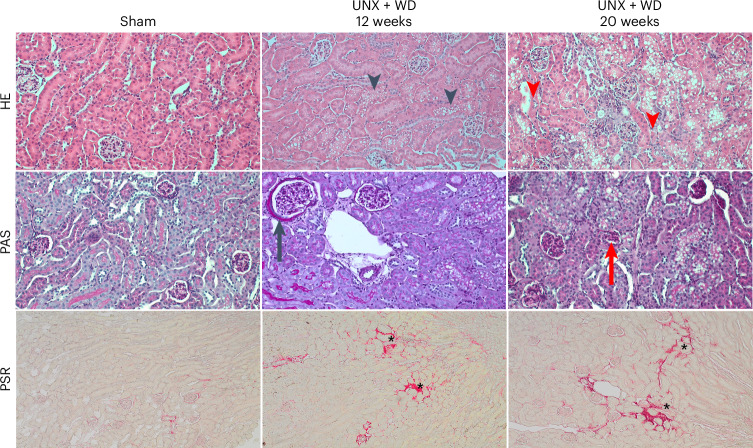
Fig. 7. Histopathological evaluation of the kidney.
Microscopic analyses of kidney samples from mice subjected to UNX that consumed WD rich in salt for 12 and 20 weeks, compared with the control group stained with three different methods. First line: HE staining with normal morphological appearance of the kidneys for the control group (sham) and signs of tubular injuries such as vacuolation (black arrowhead), degeneration and necrosis (red arrowhead) in the UNX + WD groups (20× objective). Second line: PAS staining of kidney samples from the sham group without evident histopathological changes, and from UNX + WD groups showing increased diameter of the glomerulus and thickening of the glomerular basement membrane (black arrow) and presence of glomerulosclerosis (red arrow) (20× objective). Third line: staining with PSR to highlight collagen fibers as an indicator of fibrosis; the positive areas in red were digitally identified for quantitative evaluation (*) (10× objective).

References

    1. Marassi, M. & Fadini, G. P. The cardio-renal-metabolic connection: a review of the evidence. Cardiovasc. Diabetol.22, 195 (2023). - PMC - PubMed
    1. Kovesdy, C. P. Epidemiology of chronic kidney disease: an update 2022. Kidney Int. Suppl.12, 7–11 (2022). - PMC - PubMed
    1. Groenewegen, A., Rutten, F. H., Mosterd, A. & Hoes, A. W. Epidemiology of heart failure. Eur. J. Heart Fail.22, 1342–1356 (2020). - PMC - PubMed
    1. Sun, H. et al. IDF Diabetes Atlas: global, regional and country-level diabetes prevalence estimates for 2021 and projections for 2045. Diabetes Res. Clin. Pract.183, 109119 (2022). - PMC - PubMed
    1. Fuchs, F. D. & Whelton, P. K. High blood pressure and cardiovascular disease. Hypertension75, 285–292 (2020). - PMC - PubMed

MeSH terms