Exploration of the carcinogenetic and immune role of CHK1 in human cancer
- PMID: 39440047
- PMCID: PMC11493005
- DOI: 10.7150/jca.93930
Exploration of the carcinogenetic and immune role of CHK1 in human cancer
Abstract
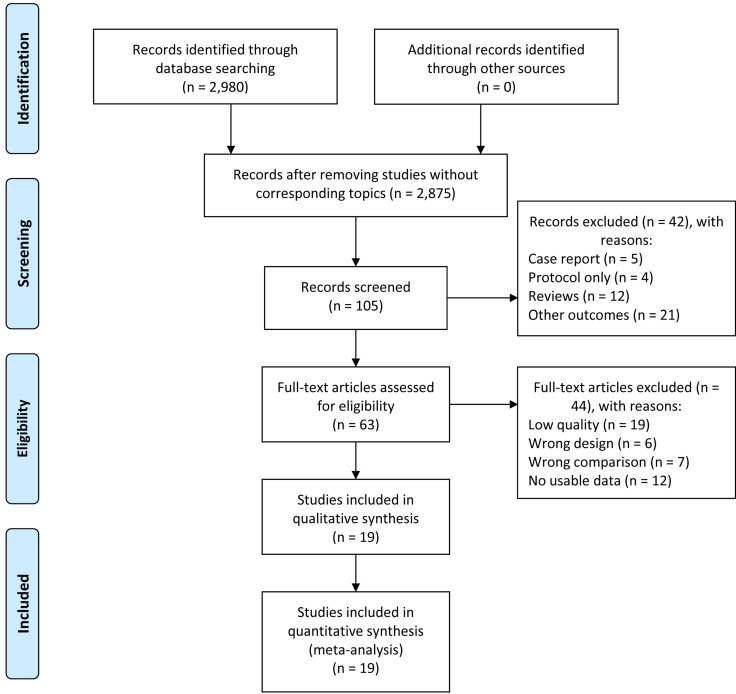
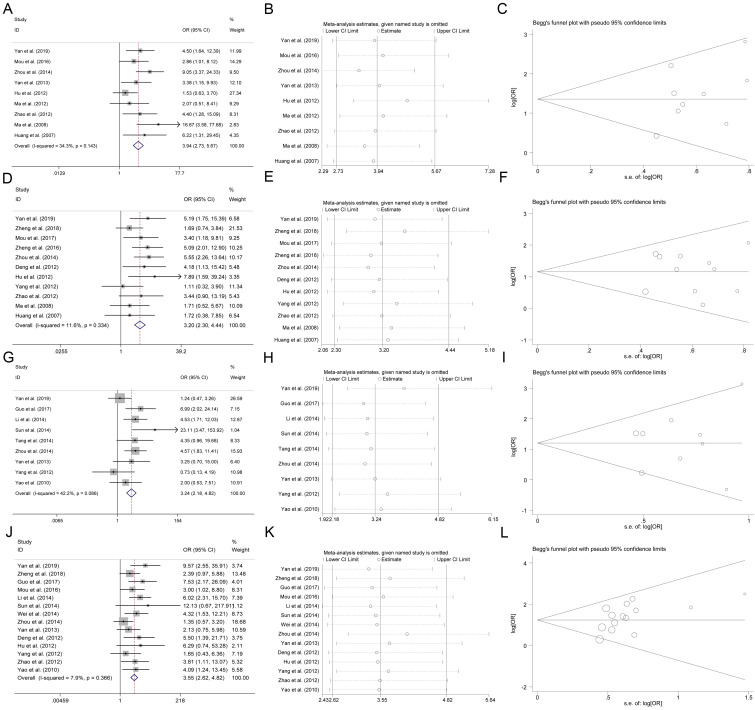
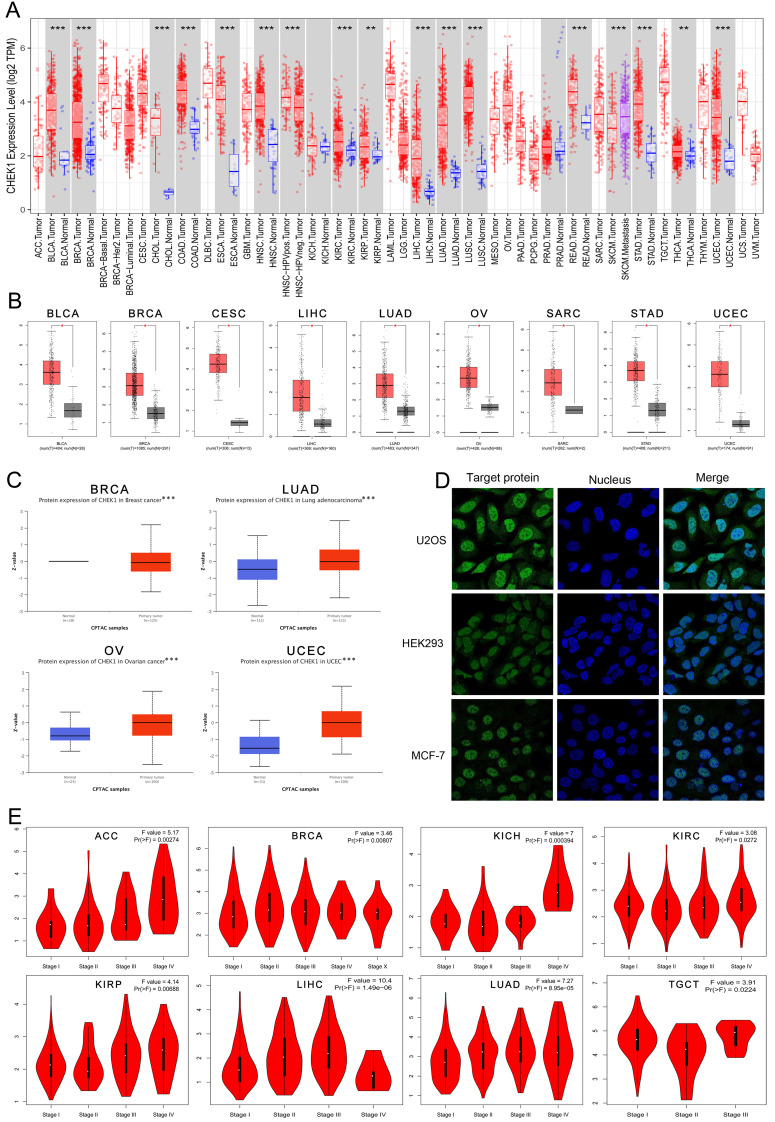
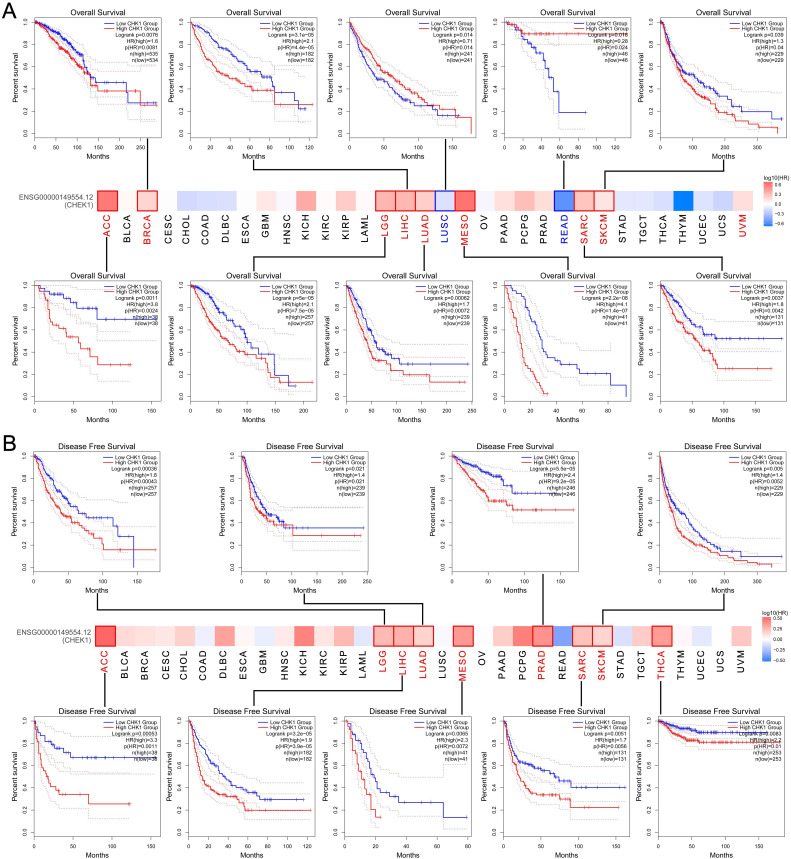
Background: Previous study indicated that CHK1 was important for repairing DNA damage and cell cycle regulation. Aims: To investigate the association of Checkpoint kinase 1 (CHK1) expression with clinicopathological features, prognosis, and immune infiltration in cancer. Methods: Several databases were searched for relevant publications to conduct a meta-analysis to reveal the association between CHK1 and clinicopathological features of cancer. TIMER and GEPIA datasets were utilized to explore the differential expression of CHK1 of tumors. GEPIA and Kaplan-Meier Plotter databases were adopted to detect the prognostic significance of CHK1 in tumor. TIMER and cBioPortal databases were used for the analysis regarding immune infiltration and mutation respectively. Results: We found that CHK1 expression was significantly associated with low differentiation (OR=3.94, 95% CI: 2.73-5.67, P<0.05), advanced stage (OR=3.20, 95% CI: 2.30-4.44, P<0.05), vascular infiltration (OR=3.24, 95% CI: 2.18-4.82, P<0.05) and lymph node metastasis (OR=3.55, 95% CI: 2.62-4.82, P<0.05) of various cancers. CHK1 was highly expressed in multiple cancers and was related to clinical stage, survival, immune infiltration in pan-cancers. Conclusions: Our study found that CHK1 was significantly related to prognosis and immunological status in various cancers, suggesting that CHK1 may serve as a useful biomarker for prognosis and immune infiltration in cancer.
Keywords: CHK1; Clinicopathological features; Immune infiltration.; Pan-cancer; Prognosis.
© The author(s).
Conflict of interest statement
Competing Interests: The authors have declared that no competing interest exists.
Figures
References
-
- Siegel RL, Miller KD, Jemal A. Cancer statistics, 2019. CA Cancer J Clin. 2019;69:7–34. - PubMed
-
- Nedelcu T, Kubista B, Koller A, Sulzbacher I, Mosberger I, Arrich F. et al. Livin and Bcl-2 expression in high-grade osteosarcoma. J Cancer Res Clin Oncol. 2008;134:237–244. - PubMed
-
- Partridge AH, Rumble RB, Carey LA, Come SE, Davidson NE, Di Leo A. et al. Chemotherapy and targeted therapy for women with human epidermal growth factor receptor 2-negative (or unknown) advanced breast cancer: American Society of Clinical Oncology Clinical Practice Guideline. J Clin Oncol. 2014;32:3307–3329. - PMC - PubMed
LinkOut - more resources
Full Text Sources
Miscellaneous