


Worldwide Wellness of Mothers and Babies (WWOMB): program overview and lessons learned from Ethiopia
- PMID: 39443996
- PMCID: PMC11515849
- DOI: 10.1186/s13690-024-01419-w
Worldwide Wellness of Mothers and Babies (WWOMB): program overview and lessons learned from Ethiopia
Abstract
Background: Despite the progress made in improving maternal and child health in Ethiopia, it still has one of the highest maternal and neonatal mortality rates in the world. This is largely due to inadequate healthcare infrastructure and a lack of comprehensive evidence-based maternal and reproductive health services. To achieve the Sustainable Development Goal targets related to maternal and child health, it is essential to conduct culturally sensitive and policy-relevant research to identify areas for improvement.
Methods: To address these issues, through The University of Newcastle's increased global focus and investment into funding international research higher degrees, we developed a program on the Worldwide Wellness of Mothers and Babies (WWOMB) and trained Doctor of Philosophy students who conducted cross-cutting research across the reproductive life course. Importantly, the program aimed to bridge the inequality gaps in maternal and child health whilst cultivating a new generation of research leaders in low- and middle-income countries such as Ethiopia.
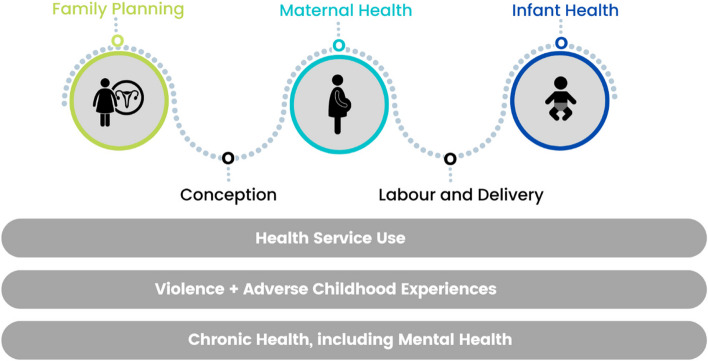
Results: The WWOMB program has successfully generated a substantial body of epidemiological research in Ethiopia, covering five major themes: family planning and contraception, maternal and child health service utilisation, maternal and child health outcomes, maternal and child nutrition, and health economics. The key findings of the studies conducted in Ethiopia have demonstrated geographical disparities in the use of modern contraception and maternal health service utilisation, high incidence of severe maternal outcomes and neonatal near misses, high prevalence of intimate partner violence during pregnancy and its significant impact on adverse pregnancy outcomes, and the presence of economic disparities in maternal and child health, particularly around service delivery and availability.
Conclusions: Investment in healthcare infrastructure and services, coupled with efforts to reduce economic inequalities, can contribute to improved maternal and child health in Ethiopia. The WWOMB project has focused on delivering evidence-based recommendations for policy and practice that could accelerate the country's progress towards achieving Sustainable Development Goal targets related to maternal and child health.
Keywords: Child health; Contraception; Ethiopia; Maternal health; Research training; Sustainable Development Goals; Unintended pregnancy.
© 2024. The Author(s).
Conflict of interest statement
The authors declare no competing interests.
Figures
References
-
- United Nations. The Millenium development goals report 2015. New York: United Nations; 2015.
-
- Motala S, Ngandu S, Mti S, Arends F, Winnaar L, Khalema E et al. Millennium development goals: country report 2015. 2015.
-
- United Nations. Transforming our world: the 2030 agenda for Sustainable Development. New York, NY, USA: United Nations; 2015.
-
- United Nations Development Programme. Ethiopia MDG report. (2014).October 2015. https://www.undp.org/ethiopia/publications/ethiopia-mdg-report-2014. Accessed on 19/04/2024.
Publication types
LinkOut - more resources
Full Text Sources
