


Multiomic integration analysis identifies atherogenic metabolites mediating between novel immune genes and cardiovascular risk
- PMID: 39449064
- PMCID: PMC11515386
- DOI: 10.1186/s13073-024-01397-2
Multiomic integration analysis identifies atherogenic metabolites mediating between novel immune genes and cardiovascular risk
Abstract
Background: Understanding genetic-metabolite associations has translational implications for informing cardiovascular risk assessment. Interrogating functional genetic variants enhances our understanding of disease pathogenesis and the development and optimization of targeted interventions.
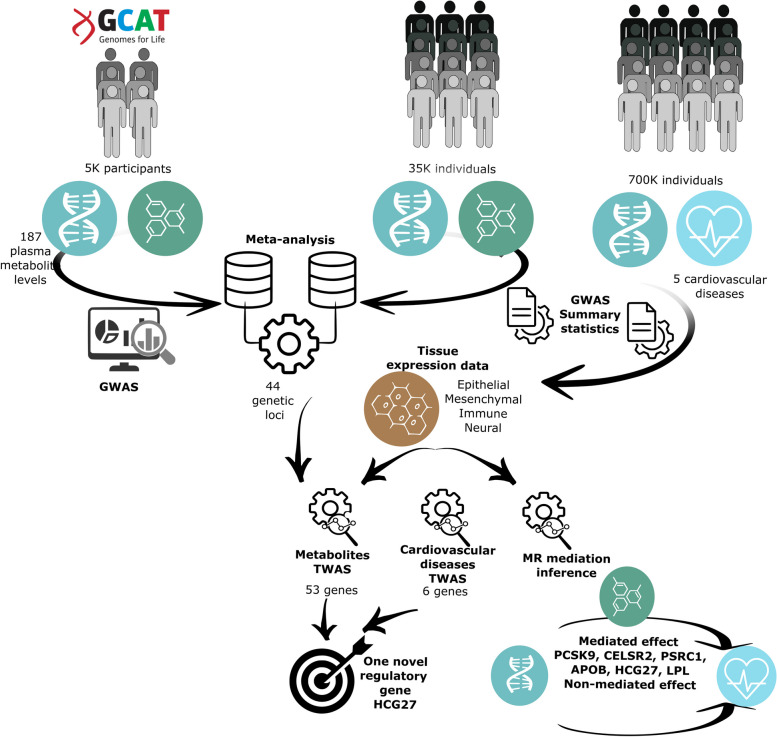
Methods: In this study, a total of 187 plasma metabolite levels were profiled in 4974 individuals of European ancestry of the GCAT| Genomes for Life cohort. Results of genetic analyses were meta-analysed with additional datasets, resulting in up to approximately 40,000 European individuals. Results of meta-analyses were integrated with reference gene expression panels from 58 tissues and cell types to identify predicted gene expression associated with metabolite levels. This approach was also performed for cardiovascular outcomes in three independent large European studies (N = 700,000) to identify predicted gene expression additionally associated with cardiovascular risk. Finally, genetically informed mediation analysis was performed to infer causal mediation in the relationship between gene expression, metabolite levels and cardiovascular risk.
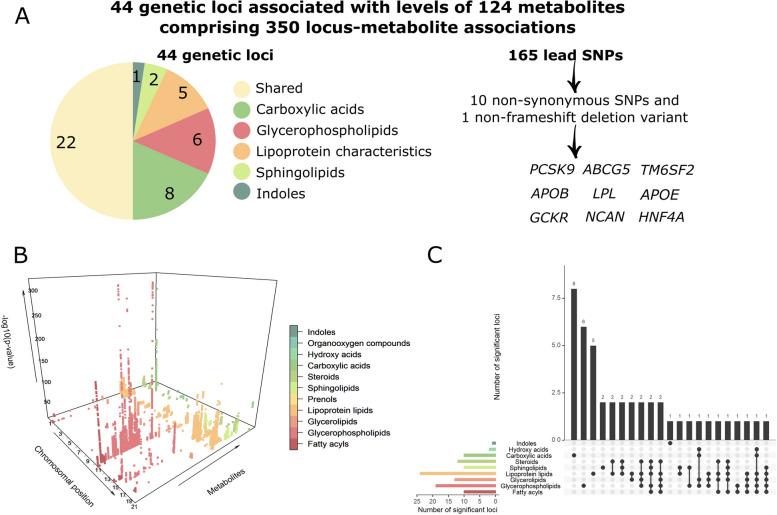
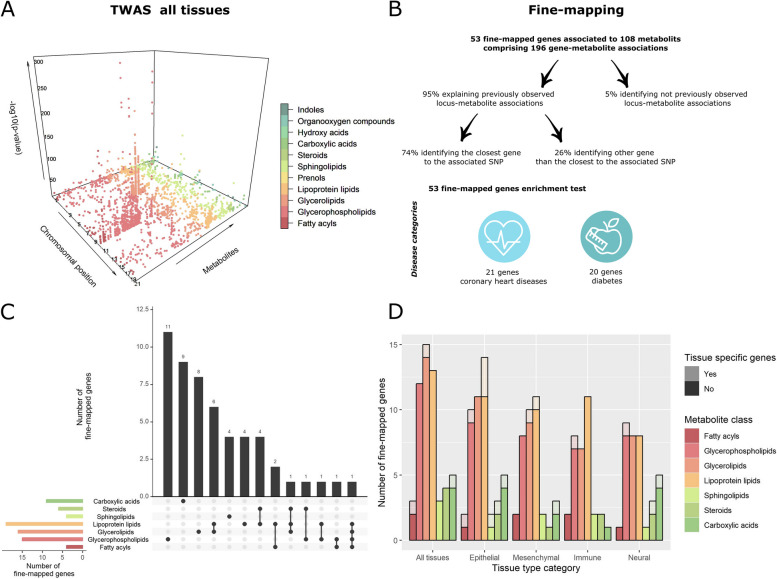
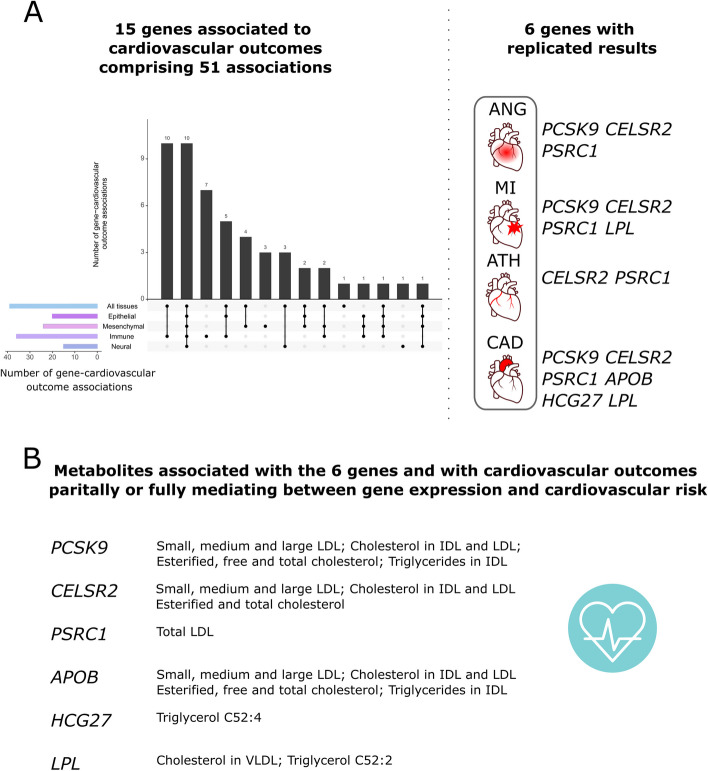
Results: A total of 44 genetic loci were associated with 124 metabolites. Lead genetic variants included 11 non-synonymous variants. Predicted expression of 53 fine-mapped genes was associated with 108 metabolite levels; while predicted expression of 6 of these genes was also associated with cardiovascular outcomes, highlighting a new role for regulatory gene HCG27. Additionally, we found that atherogenic metabolite levels mediate the associations between gene expression and cardiovascular risk. Some of these genes showed stronger associations in immune tissues, providing further evidence of the role of immune cells in increasing cardiovascular risk.
Conclusions: These findings propose new gene targets that could be potential candidates for drug development aimed at lowering the risk of cardiovascular events through the modulation of blood atherogenic metabolite levels.
Keywords: Cardiovascular risk; Genome-wide association analysis; Immune tissue expression; Mendelian randomization; Metabolite levels; Transcriptome-wide association analysis.
© 2024. The Author(s).
Conflict of interest statement
The authors declare no competing interests.
Figures
References
-
- Pirillo A, Casula M, Olmastroni E, Norata GD, Catapano AL. Global epidemiology of dyslipidaemias. Nat Rev Cardiol Springer, US. 2021;18:689–700. 10.1038/s41569-021-00541-4. Available from: - PubMed
-
- Weber C, Noels H. Atherosclerosis: current pathogenesis and therapeutic options. Nat Med. 2011;17(11):1410–22. 10.1038/nm.2538. - PubMed
