


Micronutrients, Vitamin D, and Inflammatory Biomarkers in COVID-19: A Systematic Review and Meta-analysis of Causal Inference Studies
- PMID: 39449666
- PMCID: PMC12166185
- DOI: 10.1093/nutrit/nuae152
Micronutrients, Vitamin D, and Inflammatory Biomarkers in COVID-19: A Systematic Review and Meta-analysis of Causal Inference Studies
Abstract
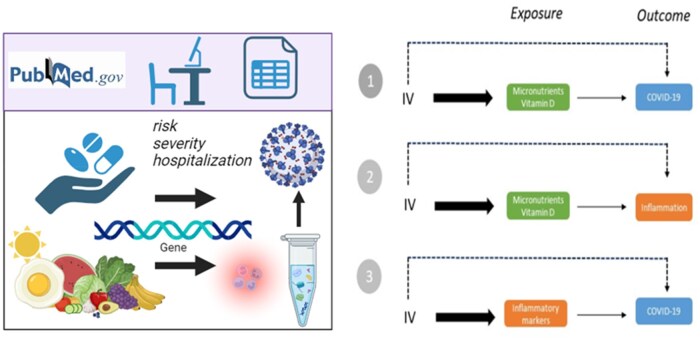
Context: Experimental and observational studies suggest that circulating micronutrients, including vitamin D (VD), may increase COVID-19 risk and its associated outcomes. Mendelian randomization (MR) studies provide valuable insight into the causal relationship between an exposure and disease outcomes.
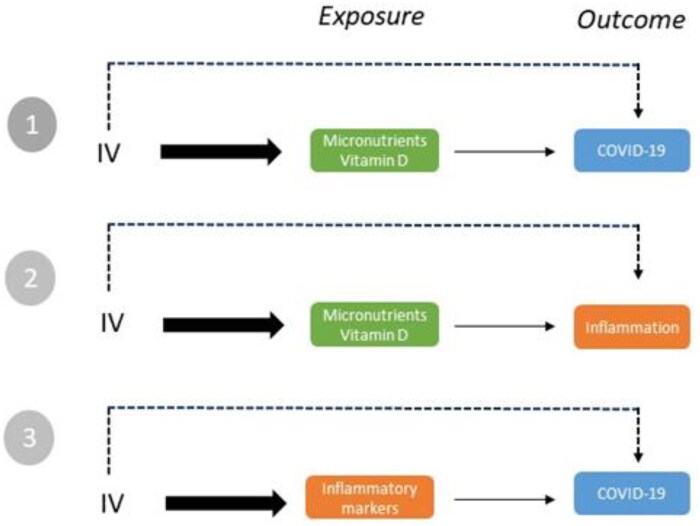
Objectives: The aim was to conduct a systematic review and meta-analysis of causal inference studies that apply MR approaches to assess the role of these micronutrients, particularly VD, in COVID-19 risk, infection severity, and related inflammatory markers.
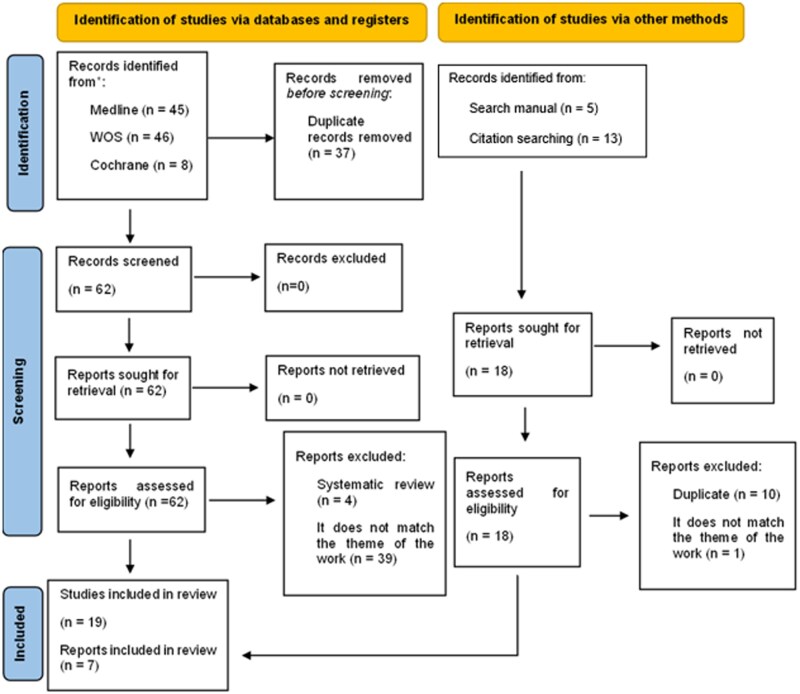
Data sources: Searches (up to July 2023) were conducted in 4 databases.
Data extraction and analysis: The quality of the studies was evaluated based on the MR-STROBE guidelines. Random-effects meta-analyses were conducted where possible.
Results: There were 28 studies (2 overlapped) including 12 on micronutrients (8 on VD) and COVID-19, 4 on micronutrients (all on VD) and inflammation, and 12 on inflammatory markers and COVID-19. Some of these studies reported significant causal associations between VD or other micronutrients (vitamin C, vitamin B6, iron, zinc, copper, selenium, and magnesium) and COVID-19 outcomes. Associations in terms of causality were also nonsignificant with regard to inflammation-related markers, except for VD levels below 25 nmol/L and C-reactive protein (CRP). Some studies reported causal associations between cytokines, angiotensin-converting enzyme 2 (ACE2), and other inflammatory markers and COVID-19. Pooled MR estimates showed that VD was not significantly associated with COVID-19 outcomes, whereas ACE2 increased COVID-19 risk (MR odds ratio = 1.10; 95% CI: 1.01-1.19) but did not affect hospitalization or severity of the disease. The methodological quality of the studies was high in 13 studies, despite the majority (n = 24) utilizing 2-sample MR and evaluated pleiotropy.
Conclusion: MR studies exhibited diversity in their approaches but do not support a causal link between VD/micronutrients and COVID-19 outcomes. Whether inflammation mediates the VD-COVID-19 relationship remains uncertain, and highlights the need to address this aspect in future MR studies exploring micronutrient associations with COVID-19 outcomes.
Systematic review registration: PROSPERO registration no. CRD42022328224.
Keywords: Mendelian randomization; causal inference; inflammatory markers; micronutrients; vitamin D.
© The Author(s) 2024. Published by Oxford University Press on behalf of the International Life Sciences Institute.
Conflict of interest statement
None declared.
Figures


References
Publication types
MeSH terms
Substances
Grants and funding
LinkOut - more resources
Full Text Sources
Medical
Research Materials
Miscellaneous
