


High prevalence of porcine cysticercosis in slaughtered pigs in Rwanda: An abattoir survey
- PMID: 39453982
- PMCID: PMC11540212
- DOI: 10.1371/journal.pntd.0012598
High prevalence of porcine cysticercosis in slaughtered pigs in Rwanda: An abattoir survey
Abstract
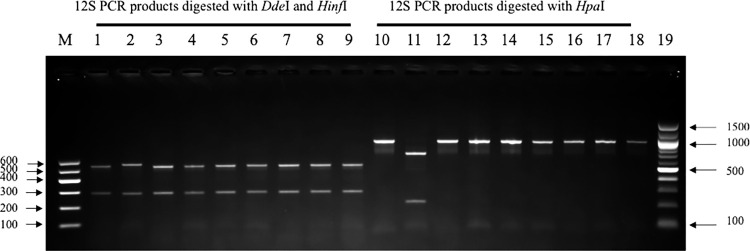
Porcine cysticercosis (PC) is an important public health problem, especially in sub-Saharan Africa, but limited information is available on the prevalence of infection in pigs entering the food chain. Existing diagnostic methods vary in accuracy and efficiency; whole carcass dissection is the most reliable method but is labour-intensive and destroys the carcass so can only be used in a research setting. Serological tests offer lower specificity, while meat inspection and lingual examination lack sensitivity, hampering accurate estimates and the removal of infected pigs from the food chain. Here, we provide the first estimates of PC prevalence in abattoirs in Rwanda. We use whole carcass dissection to determine the diagnostic accuracy of a commercial antigen-ELISA to estimate the true prevalence of infection across Rwanda and identify Taenia species affecting local pigs. We carried out a cross-sectional survey in 6 abattoirs across Rwanda (n = 744 pigs), with whole carcass dissection of a subset of 67 pigs. Cysts were detected in 20/67 (30%) of carcasses, with >1000 cysts in 9/20 (45%) of infected pigs. All cysts were identified as Taenia solium by PCR-RFLP, with no cysts of Taenia hydatigena found. The antigen-ELISA showed a sensitivity of 90% (95% CI: 68-99) and specificity of 85% (95% CI: 72-94), when compared to dissection. Using these estimates, the true prevalence was calculated as 25-43% in two abattoirs in south-west Rwanda, and 2-3% in the rest of the country. Fewer than half of infected pigs were detected by tongue palpation and post-mortem veterinary inspection. Our data indicate a high prevalence of PC in Rwandan abattoirs. Tongue palpation and veterinary inspections, as currently carried out, have little impact in removing cyst-infested pigs from the food chain. Additional interventions are needed, such as proper pig husbandry, treatment and vaccination against cysticercosis, health education, improved sanitation and hygiene, and improved processing and cooking of meat.
Copyright: © 2024 Shyaka et al. This is an open access article distributed under the terms of the Creative Commons Attribution License, which permits unrestricted use, distribution, and reproduction in any medium, provided the original author and source are credited.
Conflict of interest statement
I have read the journal’s policy and the authors of this manuscript have the following competing interests: AS and NR are members of the Government of Rwanda Neglected Tropical Diseases Technical Working Group. EMF is a Commissioner on the Lancet Commission on One Health and is a member of the Technical Advisory Group of the Government of Kenya Zoonotic Disease Unit.
Figures

References
-
- Torgerson PR, Devleesschauwer B, Praet N, Speybroeck N, Willingham AL, Kasuga F, et al. World Health Organization estimates of the global and regional disease burden of 11 foodborne parasitic diseases, 2010: a data synthesis. PLoS Med. 2015;12: e1001920. doi: 10.1371/journal.pmed.1001920 - DOI - PMC - PubMed
-
- WHO. Preventable epilepsy: Taenia solium infection burdens economies, societies and individuals: a rationale for investment and action. 2016. Report No.: WHO/HTM/NTD/NZD/2016.1. Available: https://www.who.int/publications/i/item/9789241549486
MeSH terms
Substances
LinkOut - more resources
Full Text Sources
