. 2024 Oct 14;25(20):11032.
doi: 10.3390/ijms252011032.

The Green Extraction of Blueberry By-Products: An Evaluation of the Bioactive Potential of the Anthocyanin/Polyphenol Fraction

Affiliations

The Green Extraction of Blueberry By-Products: An Evaluation of the Bioactive Potential of the Anthocyanin/Polyphenol Fraction

Giorgio Capaldi et al. Int J Mol Sci. .

Abstract

In the context of a circular economy, this study explores the valorization of blueberry pomace (BP) as a source of bioactive compounds using sustainable extraction methods. Microwave-assisted extraction (MAE) and microwave-assisted subcritical water extraction (MASWE) were employed to obtain two distinct fractions: MAE 1° and MASWE 2°. The first extract, MAE 1°, obtained at 80 °C, had a high total anthocyanin content (21.96 mgCya-3-glu/gextract), making it suitable as a natural pigment. Additionally, MAE 1° exhibited significant enzyme inhibition, particularly against α-amylase and β-glucosidase, suggesting potential anti-diabetic and anti-viral applications. The second extract, MASWE 2°, obtained at 150 °C, contained a higher total phenolic content (211.73 mgGAE/gextract) and demonstrated stronger antioxidant activity. MASWE 2° showed greater inhibition of acetylcholinesterase and tyrosinase, indicating its potential for use in Alzheimer's treatment, skincare, or as a food preservative. MASWE 2° exhibited cytotoxicity against HeLa cells and effectively mitigated H2O2-induced oxidative stress in HaCat cells, with MAE 1° showing similar but less pronounced effects. A tested formulation combining MAE 1° and MASWE 2° extracts in a 3:2 ratio effectively enhanced anthocyanin stability, demonstrating its potential as a heat-stable pigment. The extract characteristics were compared with a conventional method (MeOH-HCl in reflux condition), and the protocol's sustainability was assessed using several green metric tools, which provided insights into its environmental impact and efficiency.

Keywords: anthocyanins; bioactivity; blueberry pomace; green metrics; microwave-assisted extraction; polyphenols; subcritical water extraction.


Conflict of interest statement

The authors declare no conflicts of interest.

Figures
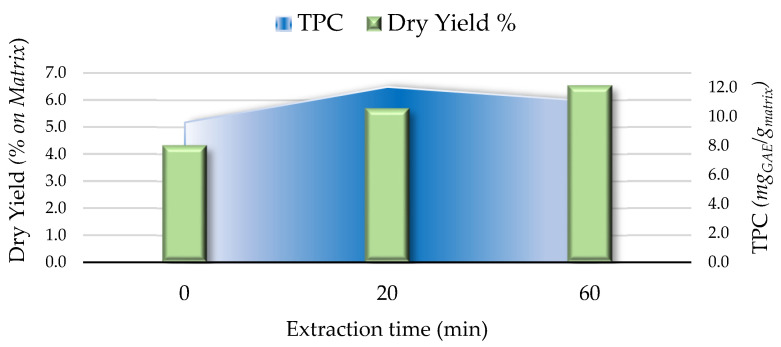
Figure A1
Figure A1
Polyphenol time optimization extraction at 150 °C in MASWE 2°.
Figure A2
Figure A2
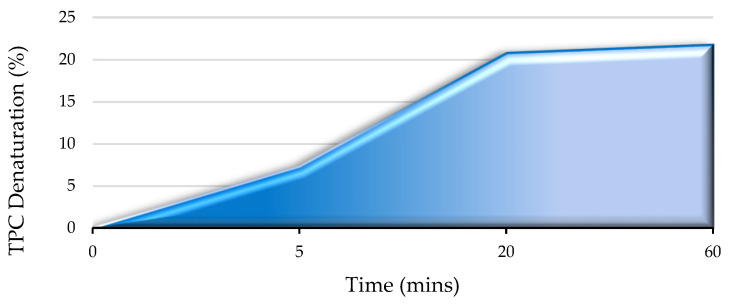
Degradation kinetic of polyphenols in MASWE 2° at different times at 150 °C.
Figure 1
Figure 1
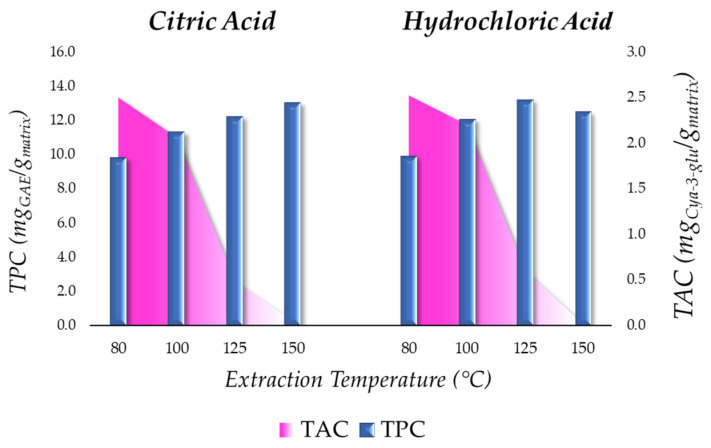
MAE of BP: total polyphenols (mgGAE/gmatrix) and anthocyanin (mgCya-3-glu/gmatrix) extraction yields at different temperatures using organic and inorganic acid.
Figure 2
Figure 2
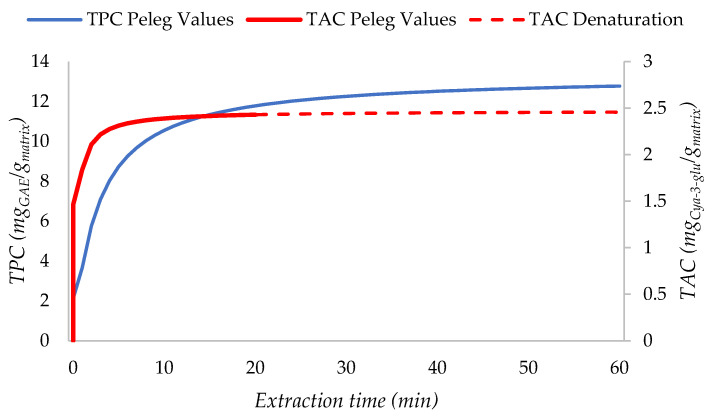
The Peleg regression model applied for the optimization of the MAE time for polyphenols and anthocyanin in a citric acid solution. The experimental input parameters were time (2, 5, 10, 20, 30, 45, and 60 min), temperature (80 °C), and S/L (1:30).
Figure 3
Figure 3
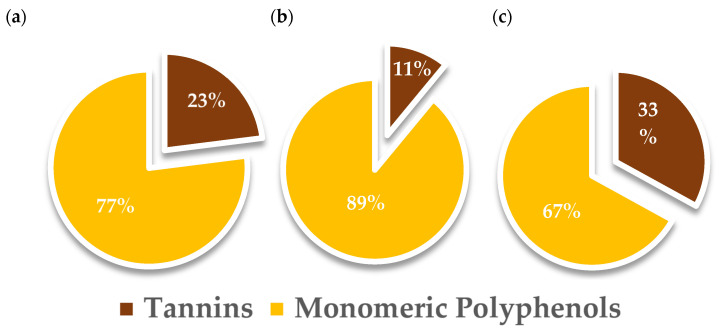
Monomeric polyphenols and tannins’ relative percentages regarding total polyphenol content in BP extracts. (a) MAE 1°; (b) MASWE 2°; (c) Conv.
Figure 4
Figure 4
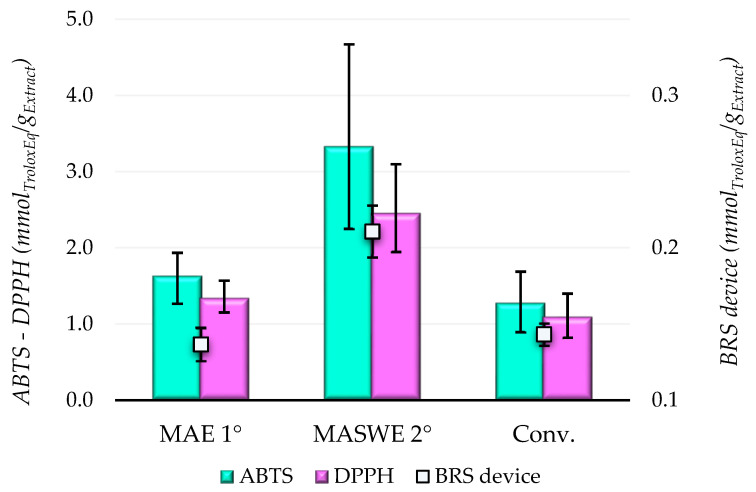
Antioxidant activity of BP extracts measured with chemical (ABTS; DPPH) and electrochemical methodologies (BRS device).
Figure 5
Figure 5
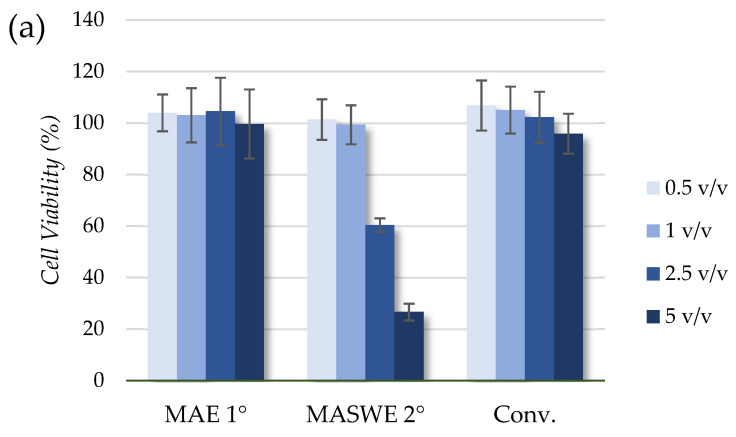
Effects of different volume ratios (v/v) of three tested extracts (MAE 1°, MASWE 2°, and Conv.) on proliferation of HeLa (a) and HaCaT (b) cells. Results are expressed as cell viability (%) relative to control cells.
Figure 5
Figure 5
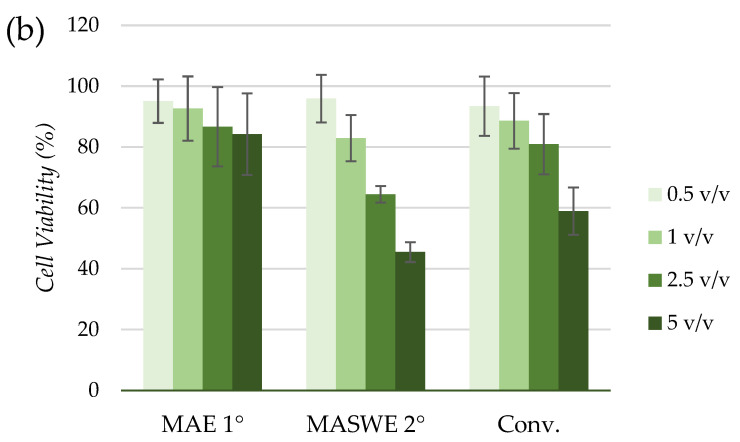
Effects of different volume ratios (v/v) of three tested extracts (MAE 1°, MASWE 2°, and Conv.) on proliferation of HeLa (a) and HaCaT (b) cells. Results are expressed as cell viability (%) relative to control cells.
Figure 6
Figure 6
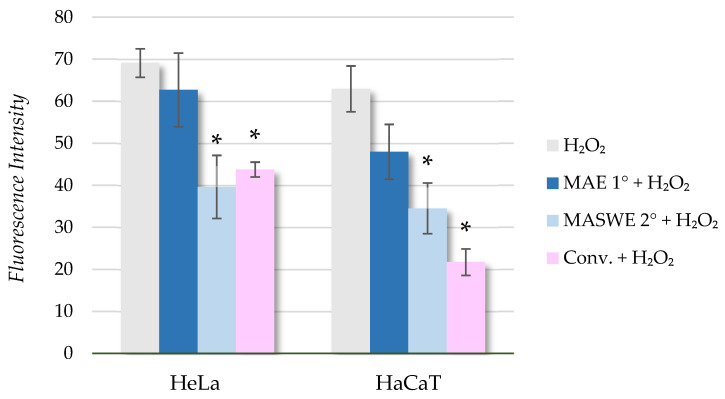
Measurement of spectrophotometric fluorescence intensity. Results are expressed as mean ± SD. Asterisks represent significant difference in reactive oxygen species (ROS) content determined by DCF-DA assay between positive control (H2O2) and treatment groups (* p < 0.05).
Figure 7
Figure 7
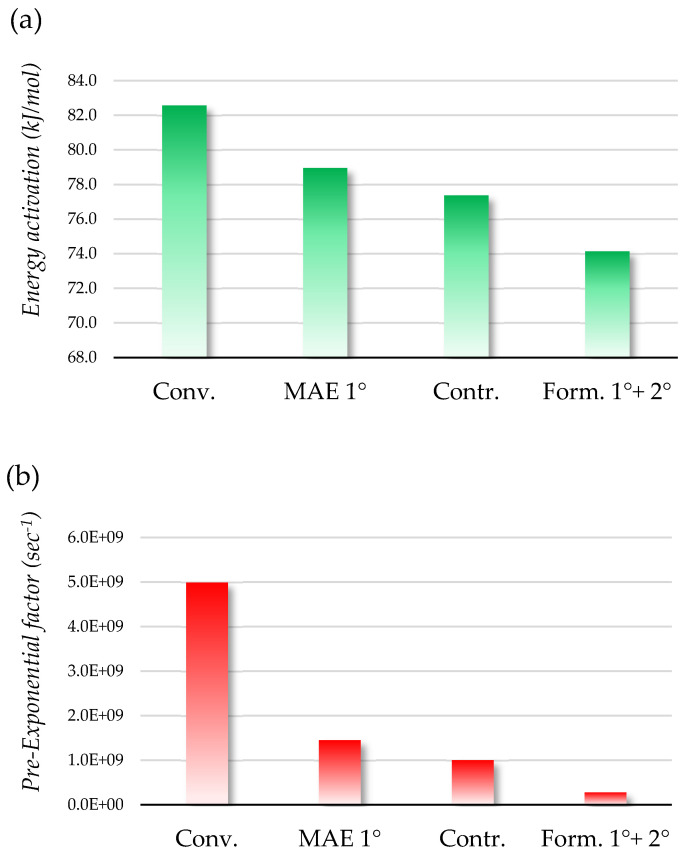
Energy activation (a) and pre-exponential factor (b) for tested BP formulation. Green bars: factor considered directly proportional to thermal stability; red bars: factor considered inversely proportional to thermal stability.
Figure 8
Figure 8
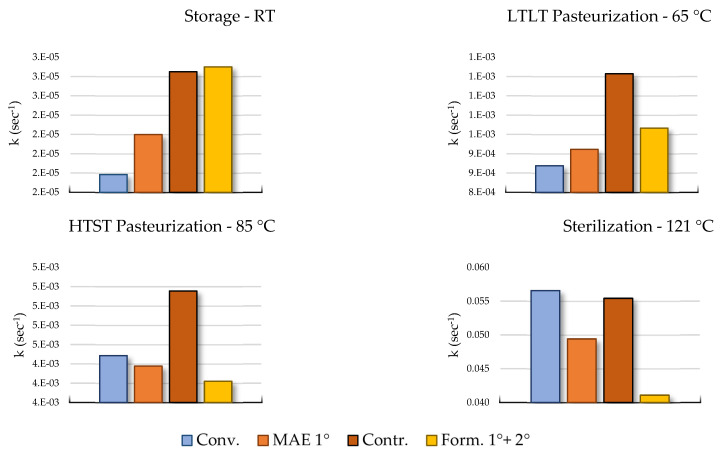
The four graph bars report the degradation constant (k) calculated for the four key temperatures in food processing. The degradation constant value is inversely proportional with thermal stability at the relative temperature.
Figure 9
Figure 9
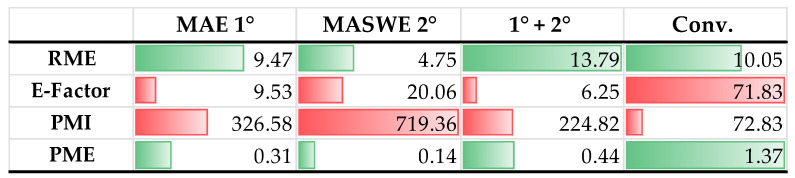
Green metrics evaluation for BP extraction procedures. Green bars: metrics considered directly proportional to sustainability; red bars: metrics considered inversely proportional to sustainability.
Figure 10
Figure 10
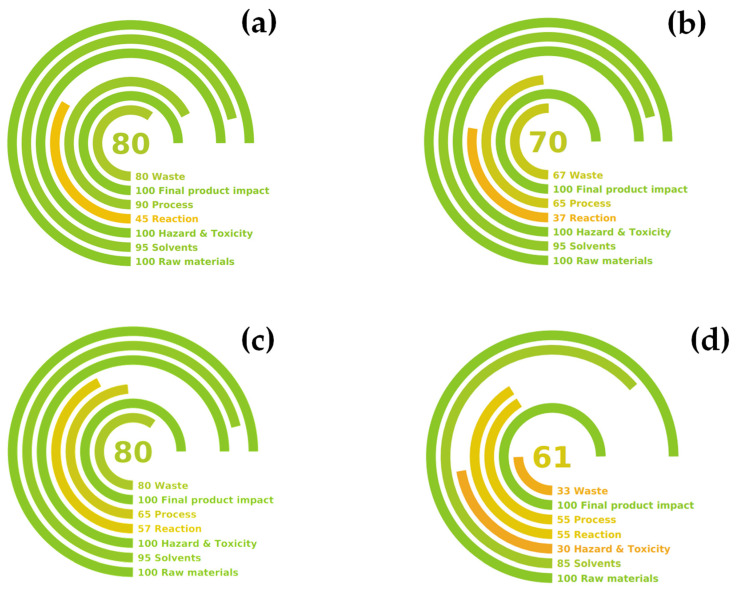
Green Motion evaluation scores for BP extractions. (a) MAE 1°, (b) MASWE 2°, (c) 1° + 2°, and (d) Conv.
Figure 11
Figure 11
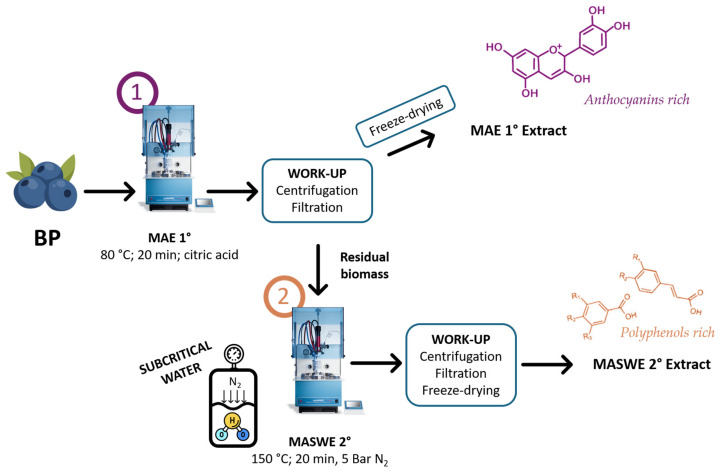
Schematic representation of processing operation for MAE (1) and MASWE (2) extract production.

References

    1. Gómez-García R., Campos D.A., Aguilar C.N., Madureira A.R., Pintado M. Valorisation of Food Agro-Industrial By-Products: From the Past to the Present and Perspectives. J. Environ. Manag. 2021;299:113571. doi: 10.1016/j.jenvman.2021.113571. - DOI - PubMed
    1. Zabaniotou A., Kamaterou P. Food Waste Valorization Advocating Circular Bioeconomy—A Critical Review of Potentialities and Perspectives of Spent Coffee Grounds Biorefinery. J. Clean. Prod. 2019;211:1553–1566. doi: 10.1016/j.jclepro.2018.11.230. - DOI
    1. Girard K.K., Sinha N.K. Cranberry, Blueberry, Currant, and Gooseberry. In: Sinha N.K., Sidhu J.S., Barta J., Wu J.S.B., Cano M.P., editors. Handbook of Fruits and Fruit Processing. 2nd ed. Wiley-Blackwell; Hoboken, NJ, USA: 2012. pp. 399–417. Chapter 24.
    1. FAOSTAT (Food and Agriculture Organization Corporate Statistical Database) Crops and Livestock Products. Food and Agriculture Organization of the United Nations; Rome, Italy: 2021. [(accessed on 5 June 2024)]. Available online: https://www.fao.org/faostat/en/#data/QCL.
    1. Tobar-Bolaños G., Casas-Forero N., Orellana-Palma P., Petzold G. Blueberry Juice: Bioactive Compounds, Health Impact, and Concentration Technologies—A Review. J. Food Sci. 2021;86:5062–5077. doi: 10.1111/1750-3841.15944. - DOI - PubMed

MeSH terms

LinkOut - more resources