


Potential Antitumor Mechanism of Propolis Against Skin Squamous Cell Carcinoma A431 Cells Based on Untargeted Metabolomics
- PMID: 39457046
- PMCID: PMC11509278
- DOI: 10.3390/ijms252011265
Potential Antitumor Mechanism of Propolis Against Skin Squamous Cell Carcinoma A431 Cells Based on Untargeted Metabolomics
Abstract
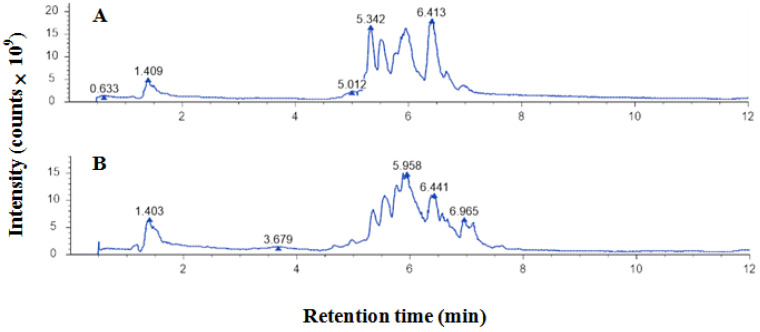
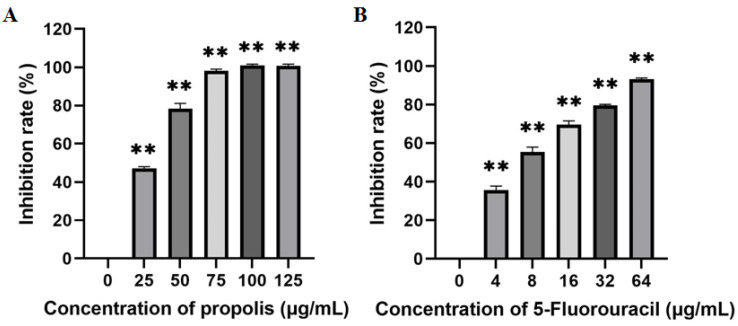
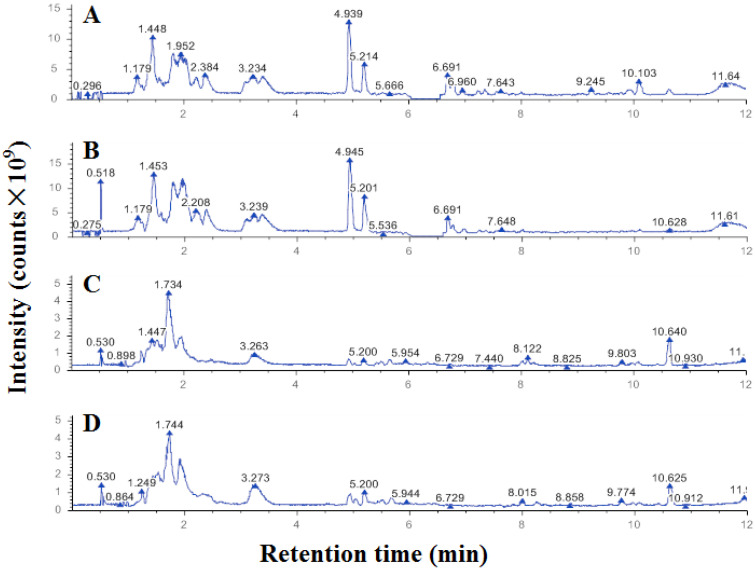
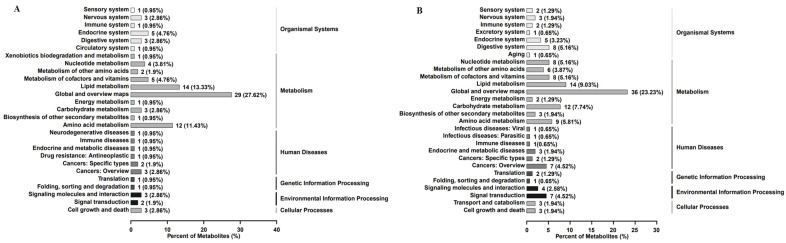
Propolis is a sticky substance produced by honeybees (Apis mellifera) through the collection of plant resins, which they mix with secretions from their palate and wax glands. Propolis can inhibit tumor invasion and metastasis, thereby reducing the proliferation of tumor cells and inducing cell apoptosis. Previous research has shown that propolis has an inhibitory effect on skin squamous cell carcinoma A431 cells. Nevertheless, its inhibitory mechanism is unclear because of many significantly different Kyoto Encyclopedia of Genes and Genomes (KEGG) pathways between the ethanol extract of the propolis (EEP) group and the control group of cells. In this study, the main components of EEP and the antitumor mechanism at an IC50 of 29.04 μg/mL EEP were determined via untargeted metabolomics determined using ultra high-performance liquid chromatography tandem mass spectrometry (UHPLC‒MS/MS), respectively. The results revealed 43 polyphenolic components in the EEP and 1052 metabolites, with 160 significantly upregulated and 143 significantly downregulated metabolites between cells treated with EEP and solvent. The KEGG enrichment results revealed that EEP significantly inhibited A431 cell proliferation via the steroid hormone biosynthesis and linoleic acid metabolism pathways. These findings may provide valuable insights for the development of targeted therapies for the treatment of cutaneous squamous cell carcinoma.
Keywords: linoleic acid metabolism; metabolomics; propolis; skin squamous cell carcinoma; steroid hormone biosynthesis.
Conflict of interest statement
The authors declare that they have no conflicts of interest.
Figures
References
-
- Pant K., Sharma A., Chopra H.K., Nanda V. Impact of biodiversification on propolis composition, functionality, and application in foods as natural preservative: A review. Food Control. 2024;155:110097. doi: 10.1016/j.foodcont.2023.110097. - DOI
-
- Rivera-Yañez N., Ruiz-Hurtado P.A., Rivera-Yañez C.R., Arciniega-Martínez I.M., Yepez-Ortega M., Mendoza-Arroyo B., Rebollar-Ruíz X.A., Méndez-Cruz A.R., Reséndiz-Albor A.A., Nieto-Yañez O. The role of propolis as a natural product with potential gastric cancer treatment properties: A systematic review. Foods. 2023;12:415. doi: 10.3390/foods12020415. - DOI - PMC - PubMed
MeSH terms
Substances
Grants and funding
LinkOut - more resources
Full Text Sources
Medical
