


GnRH Immunocastration in Male Xizang Sheep: Impacts on Rumen Microbiome and Metabolite Profiles for Enhanced Health and Productivity
- PMID: 39457871
- PMCID: PMC11503817
- DOI: 10.3390/ani14202942
GnRH Immunocastration in Male Xizang Sheep: Impacts on Rumen Microbiome and Metabolite Profiles for Enhanced Health and Productivity
Abstract
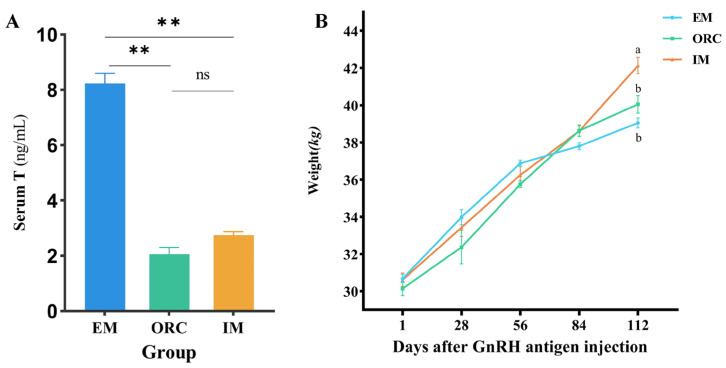
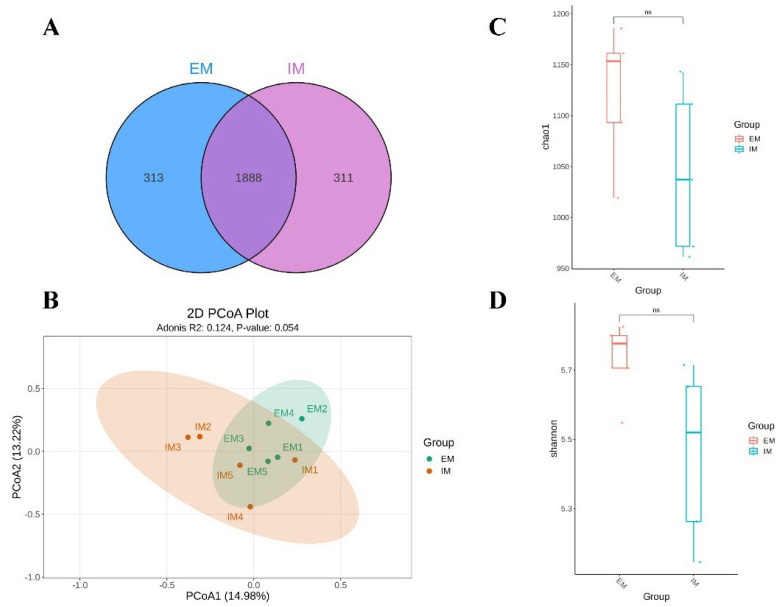
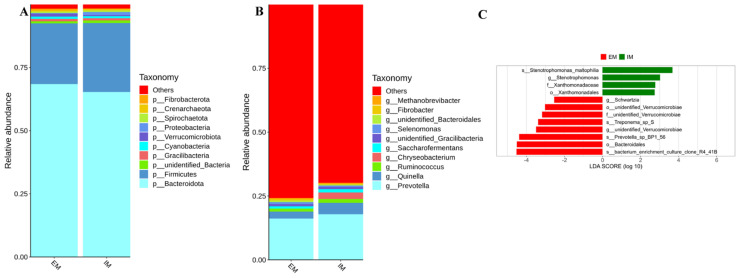
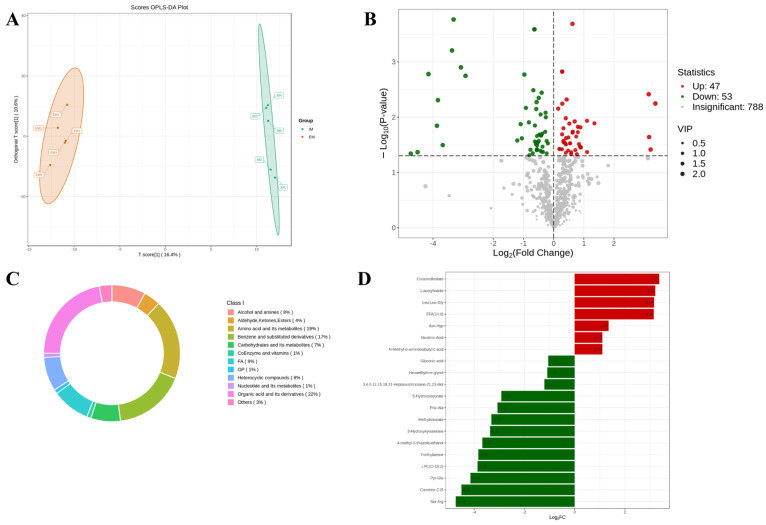
Castration is a prevalent and indispensable practice in sheep husbandry, aiding in enhancing meat quality, mitigating aggressive behavior, and managing unwanted reproduction. Nevertheless, the conventional surgical castration procedure poses several challenges, including heightened stress and pain, detrimental impacts on animal welfare, and diminished economic efficacy in farming operations. Consequently, immunocastration methods, serving as substitutes for surgical castration, are progressively finding application in livestock. The rumen, an essential and distinctive digestive and absorptive organ in ruminants, has been associated with enhanced meat quality and productive performance following castration in previous research studies, albeit fewer investigations have explored the potential impacts of GnRH immunization on the rumen's internal milieu in sheep post-de-escalation. Hence, the present study delved into evaluating the impact of GnRH immunocastration on the rumen microbiome and metabolomics in male Xizang sheep. This was achieved through the establishment of a GnRH immunocastration animal model and the collection of rumen fluid for microbiological and comprehensive metabolomics investigations. The outcomes of this investigation unveiled that the impact of GnRH immunocastration on body weight gain was more pronounced during the achievement of the castration objective. In addition, the Firmicutes-to-Bacteroidota ratio in the immune male (IM) group exceeded that of the control group (EM), suggesting that GnRH immunodeficiency may enhance the digestion and absorption of feed in male Xizang sheep. At the taxonomic level, the elevated presence of Prevotella and Quinella bacteria in the IM group compared to the EM group indicated that castration influenced a segment of the rumen microbiota in male Xizang sheep, thereby bolstering the digestive and metabolic efficacy of the rumen concerning nutrient utilization, particularly in the breakdown and absorption of proteins, carbohydrates, and lipids, ultimately expediting the fattening process and weight gain in male Xizang sheep following castration. Moreover, analysis of ruminal fluid metabolomics revealed that GnRH immunization had notable impacts on certain metabolites in the ruminal fluid of male Xizang sheep, with metabolites like 5-hydroxyindole acetic acid and 3-hydroxyindole acetic acid showing significant downregulation in the IM group compared to the EM group, while niacin and tyramine exhibited significant upregulation. These findings indicate a profound influence of GnRH immunization on the maintenance of ruminal equilibrium and ruminal health (including the health of ruminal epithelial cells). This study validates that GnRH immunocastration not only achieves the objectives of castration but also enhances ruminal health in male Xizang sheep, thus laying a foundational theoretical basis for the application and dissemination of GnRH immunocastration technology.
Keywords: GnRH immunocastration; male Xizang sheep; microorganisms; rumen.
Conflict of interest statement
The authors declare no conflicts of interest.
Figures
Similar articles
-
The impact of GnRH immunocastration on colonic microbiota and metabolites in male sheep.Reprod Fertil Dev. 2025 Jun;37:RD24191. doi: 10.1071/RD24191. Reprod Fertil Dev. 2025. PMID: 40472136
-
Coping with extremes: the rumen transcriptome and microbiome co-regulate plateau adaptability of Xizang goat.BMC Genomics. 2024 Mar 7;25(1):258. doi: 10.1186/s12864-024-10175-8. BMC Genomics. 2024. PMID: 38454325 Free PMC article.
-
Rumen microbiota regulates IMF deposition in Xizang sheep by activating the PPARγ transcription factor: a rumen-muscle axis perspective.mSystems. 2025 Apr 22;10(4):e0155724. doi: 10.1128/msystems.01557-24. Epub 2025 Mar 28. mSystems. 2025. PMID: 40152602 Free PMC article.
-
GnRH-immunocastration: an alternative method for male animal surgical castration.Front Vet Sci. 2023 Oct 31;10:1248879. doi: 10.3389/fvets.2023.1248879. eCollection 2023. Front Vet Sci. 2023. PMID: 38026623 Free PMC article. Review.
-
New trends in immunocastration and its potential to improve animal welfare: a mini review.Trop Anim Health Prod. 2022 Nov 2;54(6):369. doi: 10.1007/s11250-022-03348-8. Trop Anim Health Prod. 2022. PMID: 36323906 Review.
Cited by
-
Advances in Contraceptive Vaccine Development: A Comprehensive Review.Vaccines (Basel). 2025 Jun 26;13(7):692. doi: 10.3390/vaccines13070692. Vaccines (Basel). 2025. PMID: 40733669 Free PMC article. Review.
References
-
- Morgan L., Itin-Shwartz B., Koren L., Meyer J.S., Matas D., Younis A., Novak S., Weizmann N., Rapaic O., Abu Ahmad W., et al. Physiological and economic benefits of abandoning invasive surgical procedures and enhancing animal welfare in swine production. Sci. Rep. 2019;9:16093. doi: 10.1038/s41598-019-52677-6. - DOI - PMC - PubMed
LinkOut - more resources
Full Text Sources
