


Quality of life outcomes in patients undergoing facial gender affirming surgery: A systematic review and meta-analysis
- PMID: 39465064
- PMCID: PMC11500551
- DOI: 10.1080/26895269.2023.2278736
Quality of life outcomes in patients undergoing facial gender affirming surgery: A systematic review and meta-analysis
Abstract
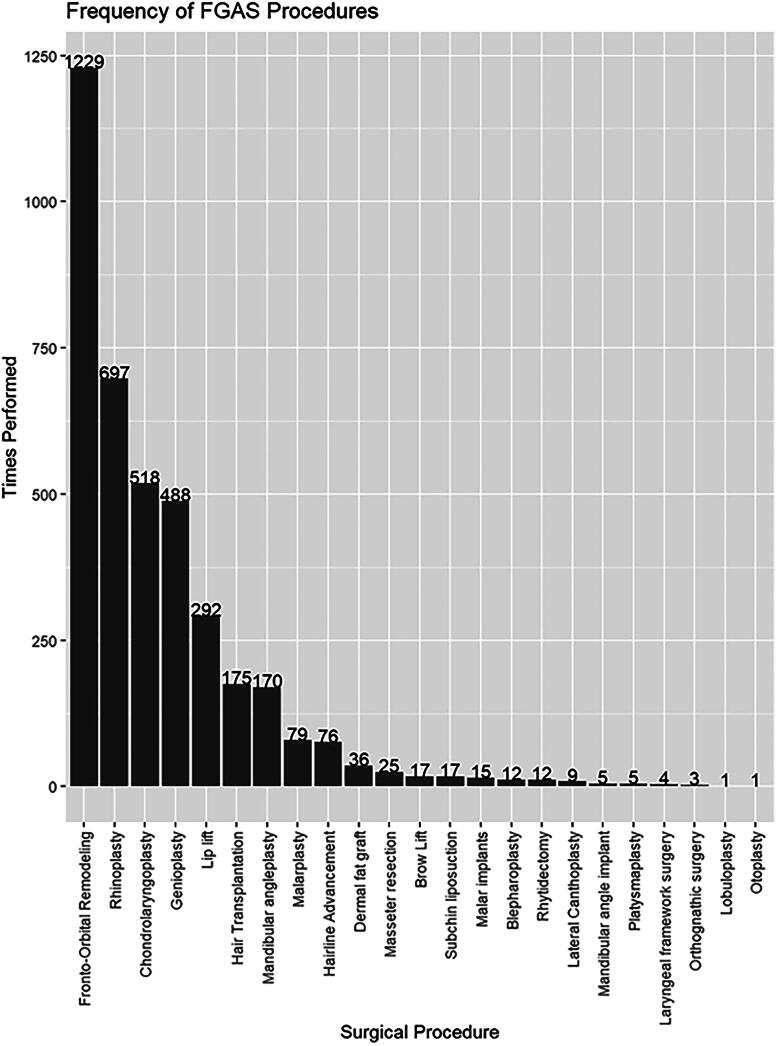
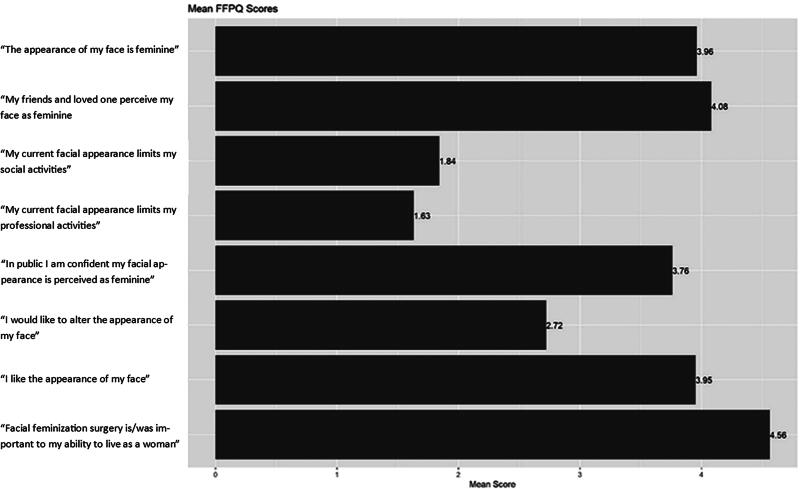
Background: Facial gender-affirming surgery (FGAS), one of many transition-related surgeries (TRSs), "feminizes" the faces of transgender and gender diverse (TGD) patients undergoing transition. However, it is difficult to demonstrate the medical necessity of FGAS in terms of postoperative quality of life (QoL) outcomes due to a lack of standardized assessment tools. Thus, FGAS remains largely unsubsidized in North America. Methods: A systematic review of online databases was conducted according to PRISMA guidelines. Screening and quality assessment was conducted by two independent blinded reviewers (KJ and GR). For statistical analysis, data from different Likert-scale-like questionnaires were extracted and coalesced into three-point scales on a data table of seven QoL domains; "Pre-" and "Postoperative femininity," "Psychological satisfaction," "Social Integration and Functioning," "Aesthetic Satisfaction," "Physical Health," and "Satisfaction with Surgical Results." Results: From 2000 to 2022, 1837 patients and 3886 procedures from 19 studies were included. Weighted averages across all QoL domains reflected statistically significant improvement compared to neutral following FGAS (p < 0.001). Three studies used the same questionnaire, which showed that out of all eight questions regarding facial appearance, FGAS patients most strongly agreed the surgery was important to their ability to live as a woman (mean = 4.56/5, n = 137). Secondary outcomes showed the most common complications were hardware palpability (3.45%, n = 145) and aberrant scarring (2.17%, n = 423) with an overall revision rate of 2.17% (n = 423). The most common procedure was fronto-orbital remodeling. Conclusion: FGAS significantly improves QoL with minimal risk to life and supports the literature in defining FGAS as a medically necessary procedure comparable to other TRSs.
Keywords: Craniofacial; facial feminization surgery; gender affirmation surgery; plastic surgery; transgender.
© 2023 Taylor & Francis Group, LLC.
Conflict of interest statement
No potential conflict of interest was reported by the author(s).
Figures
References
-
- Berli, J. U., Capitán, L., Simon, D., Bluebond-Langner, R., Plemons, E., & Morrison, S. D. (2017). Facial gender confirmation surgery – Review of the literature and recommendations for Version 8 of the WPATH Standards of Care. International Journal of Transgenderism, 18(3), 264–270. 10.1080/15532739.2017.1302862 - DOI
Publication types
LinkOut - more resources
Full Text Sources
