


Critical assessment of anti-amyloid-β monoclonal antibodies effects in Alzheimer's disease: a systematic review and meta-analysis highlighting target engagement and clinical meaningfulness
- PMID: 39468148
- PMCID: PMC11520896
- DOI: 10.1038/s41598-024-75204-8
Critical assessment of anti-amyloid-β monoclonal antibodies effects in Alzheimer's disease: a systematic review and meta-analysis highlighting target engagement and clinical meaningfulness
Abstract
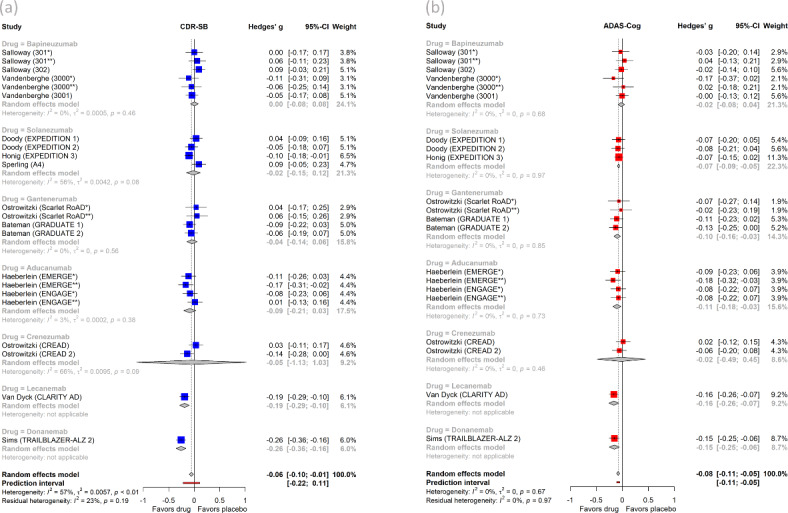
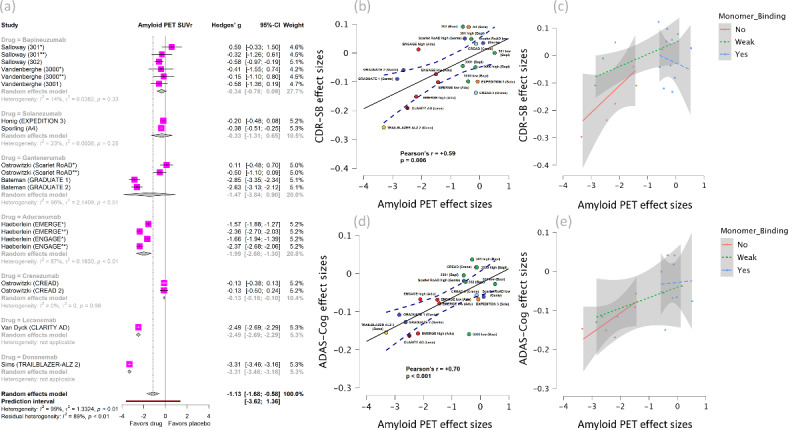
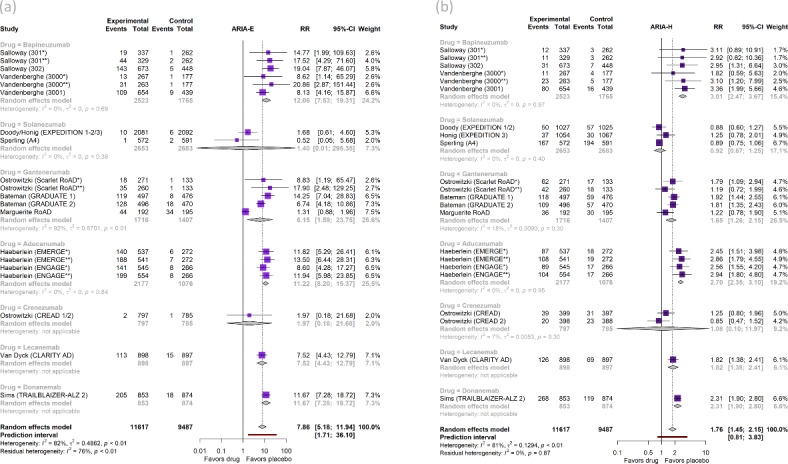
Despite most monoclonal antibodies against Aβ in Alzheimer's failed to demonstrate efficacy, the newest antibodies showed statistically significant clinical effects. We conducted a systematic review and meta-analysis to assess the efficacy, target engagement, and safety of anti-Aβ antibodies in sporadic AD including phase III RCTs published up to November 28, 2023. Antibodies as a drug class, attenuated worsening on the clinical scales CDR-SB and ADAS-Cog by very small effect sizes and reduced amyloid on PET by a very large effect size. Reduction of amyloid on PET was moderately correlated with CDR-SB and ADAS-Cog reductions. However, antibodies increased risk of ARIA-E and ARIA-H by a very large and moderate effect size, respectively. In subgroup analyses by individual drug, Donanemab and Lecanemab induced the largest benefits. In subgroup analyses by binding affinity, antibodies without binding to monomers were associated with the most favorable effects. Despite statistical significance for improvement on clinical measures, antibody effects were below the threshold of clinically meaningful change during the period they were studied. However, the newest antibodies demonstrably interfere with the underlying ΑD pathophysiology and therefore their benefit could be cumulative over time leading to larger clinical effects in subsequent years. PROSPERO registration no. CRD42022381334.
© 2024. This is a U.S. Government work and not under copyright protection in the US; foreign copyright protection may apply.
Conflict of interest statement
The authors declare no competing interests.
Figures
References
Publication types
MeSH terms
Substances
LinkOut - more resources
Full Text Sources
Medical
