. 2024 Nov 13;32(11):1887-1896.e8.
doi: 10.1016/j.chom.2024.10.002. Epub 2024 Oct 28.

Metatranscriptomics-guided discovery and characterization of a polyphenol-metabolizing gut microbial enzyme

Affiliations

Metatranscriptomics-guided discovery and characterization of a polyphenol-metabolizing gut microbial enzyme

Minwoo Bae et al. Cell Host Microbe. .

Abstract

Gut microbial catechol dehydroxylases are a largely uncharacterized family of metalloenzymes that potentially impact human health by metabolizing dietary polyphenols. Here, we use metatranscriptomics (MTX) to identify highly transcribed catechol-dehydroxylase-encoding genes in human gut microbiomes. We discover a prevalent, previously uncharacterized catechol dehydroxylase (Gp Hcdh) from Gordonibacter pamelaeae that dehydroxylates hydrocaffeic acid (HCA), an anti-inflammatory gut microbial metabolite derived from plant-based foods. Further analyses suggest that the activity of Gp Hcdh may reduce anti-inflammatory benefits of polyphenol-rich foods. Together, these results show the utility of combining MTX analysis and biochemical characterization for gut microbial enzyme discovery and reveal a potential link between host inflammation and a specific polyphenol-metabolizing gut microbial enzyme.

Keywords: catechol dehydroxylase; diet; gut microbe; inflammation; metatranscriptomics; polyphenol.


Conflict of interest statement

Declaration of interests A.T.C. received research support from Zoe Ltd. for a diet-microbiome study unrelated to this manuscript. C.H. is a scientific advisor for Zoe Ltd.

Figures
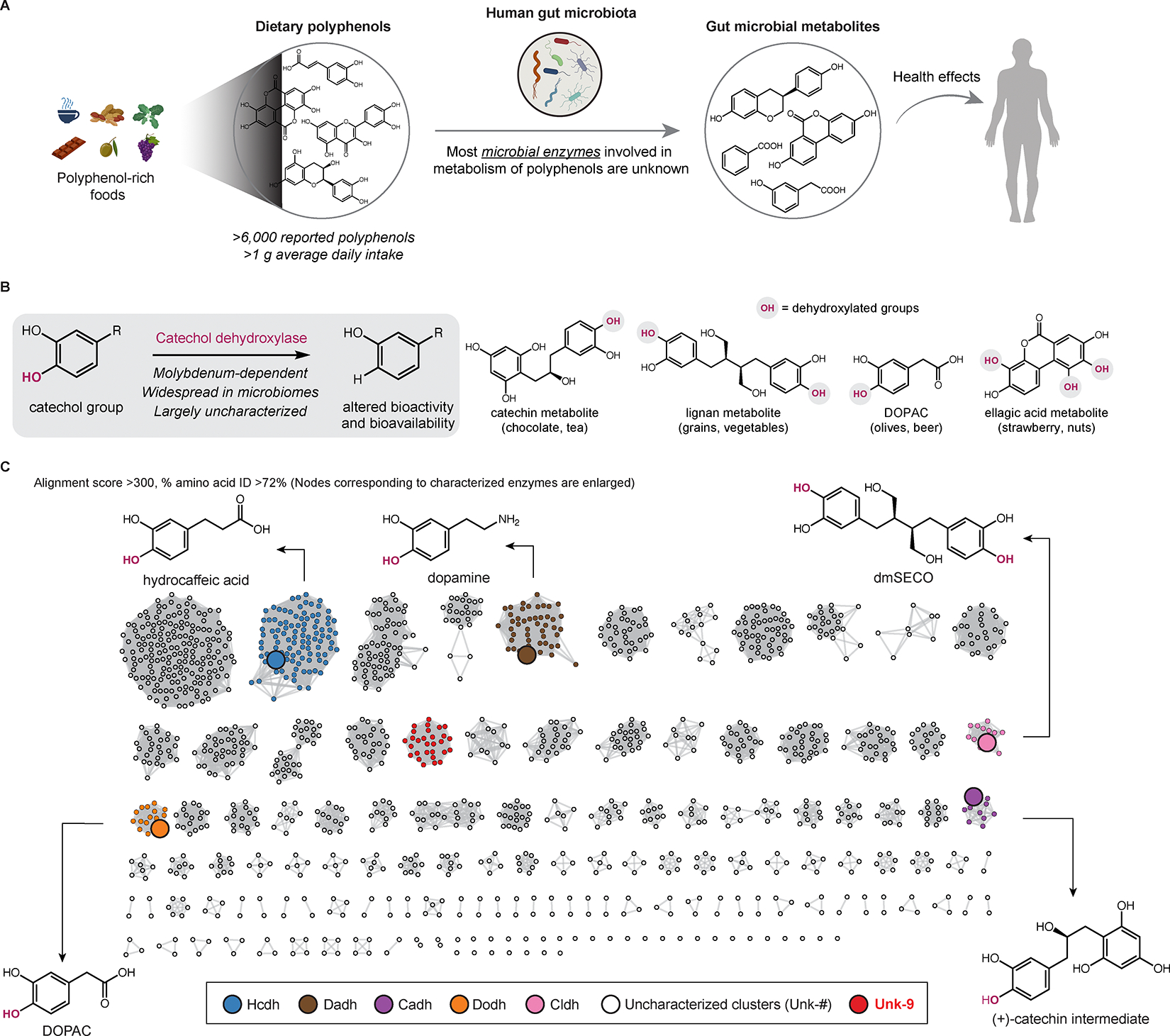
Figure 1.
Figure 1.. Most gut bacterial catechol dehydroxylases are uncharacterized.
(A) The human gut microbiota metabolizes polyphenols. (B) The general transformation catalyzed by catechol dehydroxylases and example polyphenol substrates. (C) SSN of catechol dehydroxylases found in the human gut. See also Figure S1 and Table S1.
Figure 2.
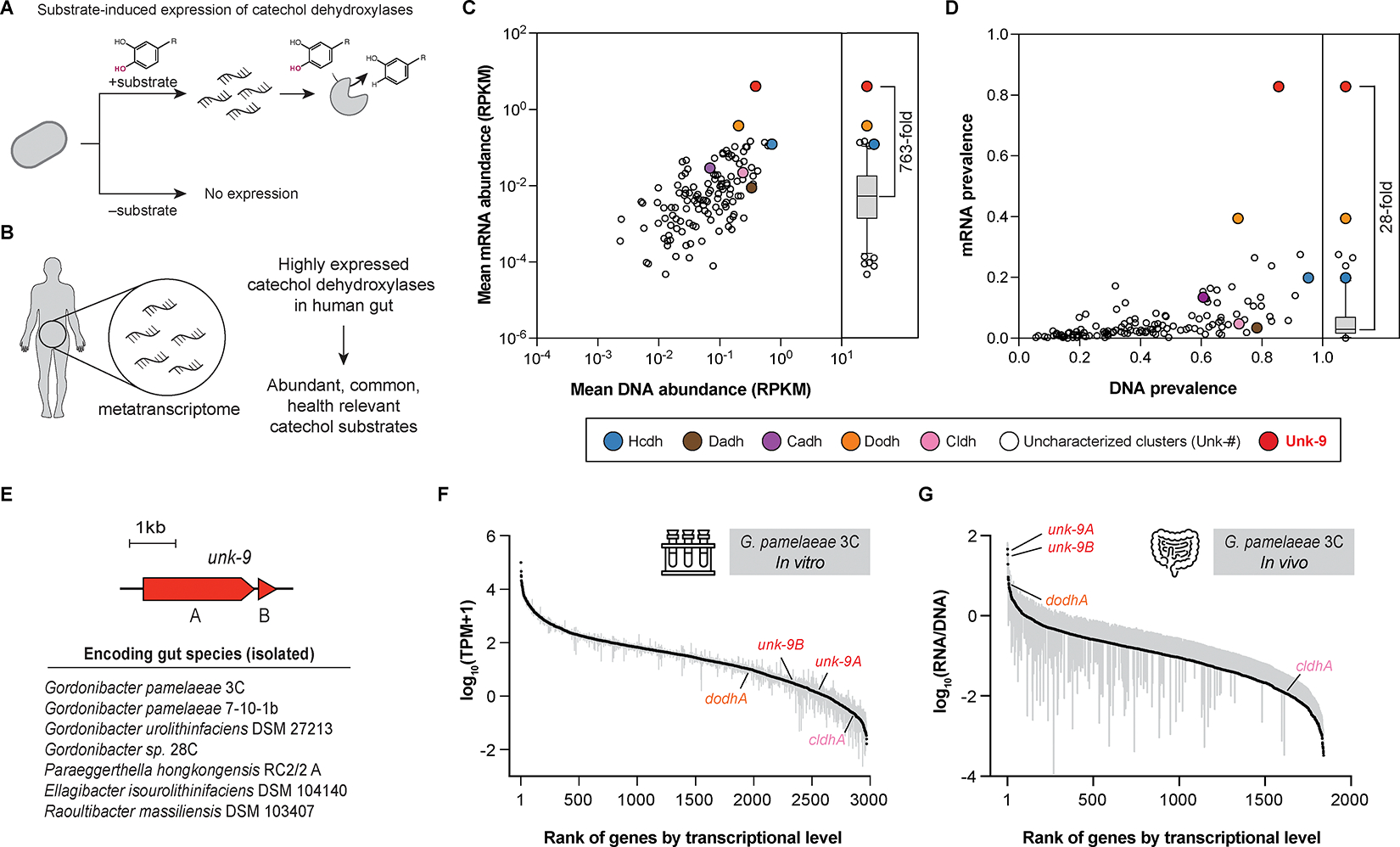
Figure 2.. MTX analysis reveals an uncharacterized catechol dehydroxylase that is highly expressed and prevalent in the human gut.
(A) The expression of catechol dehydroxylases is induced by their substrates. (B) MTX-based prioritization of an uncharacterized catechol dehydroxylase. (C–D) Analysis of DNA and mRNA abundance (C) and prevalence (D) of catechol dehydroxylase clusters using the MLVS dataset. Bars represent median. RPKM, reads per kilobase million. (E) List of Unk-9 encoding gut species. (F–G) Ranked median transcriptional levels of the whole protein-coding genes of G. pamelaeae 3C in vitro (F) and in vivo (G), grey bar represents 95% confidence interval. TPM, transcripts per kilobase million. See also Figure S2 and Table S2.
Figure 3.
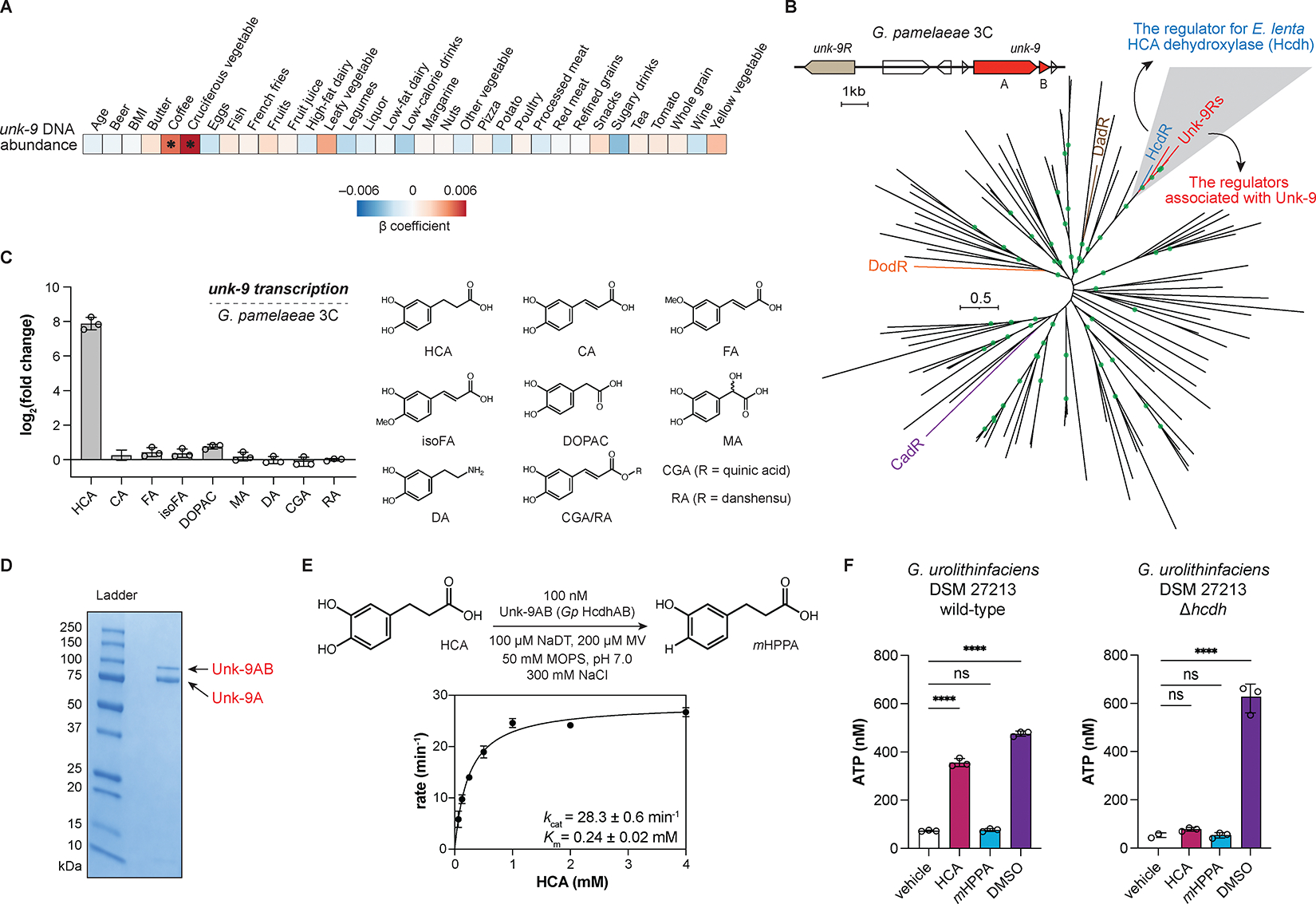
Figure 3.. Combining dietary information and phylogenetic analysis of transcriptional regulators reveals that Unk-9 dehydroxylates HCA to support ATP production.
(A) Correlation of unk-9 DNA abundance with dietary inputs from the MLVS cohort. Linear mixed-effects model. *, FDR < 0.10. (B) Maximum-likelihood phylogenetic tree of the membrane-bound LuxR-type transcriptional regulators co-localized with molybdopterin oxidoreductases in the E. lenta DSM 2243 and G. pamelaeae 3C genomes. Branches with bootstrap number > 0.9 are highlighted by green circles. (C) Substrate-specific induction of Unk-9 expression in G. pamelaeae 3C by HCA analogs relative to vehicle measured by RT-qPCR. (D) SDS-PAGE gel image for isolated Gp Hcdh using activity-guided native purification. (E) Michaelis–Menten kinetics of Gp Hcdh using initial rates measured in the first 60 s. (F) ATP production in response to HCA, mHPPA, and DMSO in the cell suspension of G. urolithinfaciens DSM 27213 wild-type and Δhcdh grown anaerobically with HCA. One-way ANOVA followed by Dunnett’s multiple comparisons test with all comparisons made against vehicle control. ns, not significant; ****, adjusted p-value < 0.0001. For all panels, n=3 biologically independent replicates, data presented are mean ± standard deviation. See also Figure S3, Figure S4, Table S1, and Table S4. mHPPA, 3-hydroxyphenyl propionic acid; MV, methyl viologen; NaDT, sodium dithionite.
Figure 4.
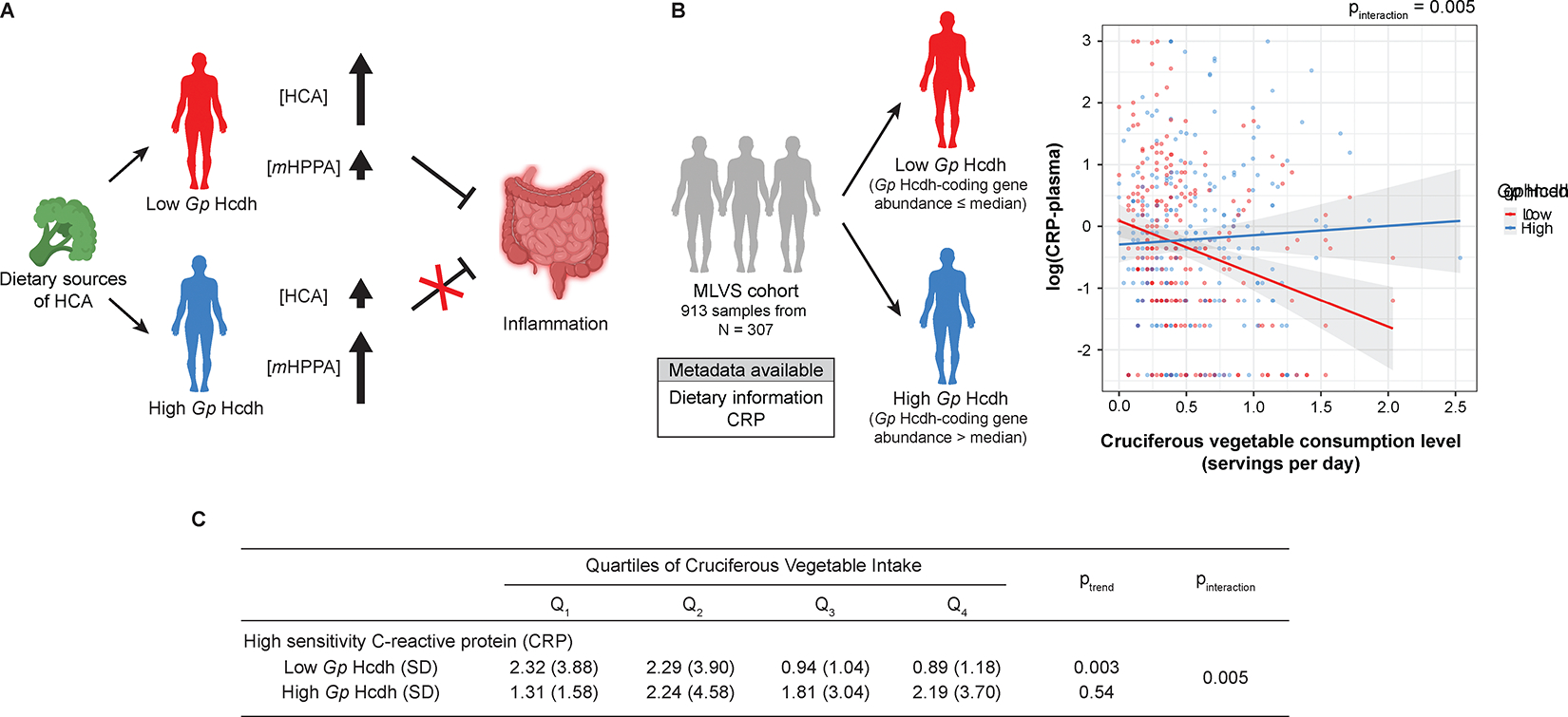
Figure 4.. Levels of Gp Hcdh correlate with the anti-inflammatory response to cruciferous vegetable consumption.
(A) Proposed mechanistic link between Gp Hcdh activity and the anti-inflammatory benefit of cruciferous vegetable consumption. (B) (left) Grouping of the MLVS cohort by Gp Hcdh DNA level. (right) Multivariate linear mixed model analysis for the correlation between cruciferous vegetable consumption and the level of CRP in the low (red trend line) and high (blue trend line) Gp Hcdh groups. Grey areas represent standard error. Panels were created using BioRender.

References

    1. Harborne JB, and Williams CA (2000). Advances in flavonoid research since 1992. Phytochemistry 55, 481–504. 10.1016/S0031-9422(00)00235-1. - DOI - PubMed
    1. Huang Q, Braffett BH, Simmens SJ, Young HA, and Ogden CL (2020). Dietary Polyphenol Intake in US Adults and 10-Year Trends: 2007–2016. J. Acad. Nutr. Diet. 120, 1821–1833. 10.1016/j.jand.2020.06.016. - DOI - PubMed
    1. Taguchi C, Fukushima Y, Kishimoto Y, Suzuki-Sugihara N, Saita E, Takahashi Y, and Kondo K (2015). Estimated Dietary Polyphenol Intake and Major Food and Beverage Sources among Elderly Japanese. Nutrients 7, 10269–10281. 10.3390/nu7125530. - DOI - PMC - PubMed
    1. Cory H, Passarelli S, Szeto J, Tamez M, and Mattei J (2018). The Role of Polyphenols in Human Health and Food Systems: A Mini-Review. Front. Nutr. 5, 370438. 10.3389/fnut.2018.00087 - DOI - PMC - PubMed
    1. Arts IC, and Hollman PC (2005). Polyphenols and disease risk in epidemiologic studies. Am. J. Clin. Nutr. 81, 317S–325S. 10.1093/ajcn/81.1.317S. - DOI - PubMed

LinkOut - more resources