


Serum peroxiredoxin-4, a biomarker of oxidative stress, associates with new-onset chronic kidney disease: A population-based cohort study
- PMID: 39490314
- PMCID: PMC11550021
- DOI: 10.1016/j.redox.2024.103408
Serum peroxiredoxin-4, a biomarker of oxidative stress, associates with new-onset chronic kidney disease: A population-based cohort study
Abstract
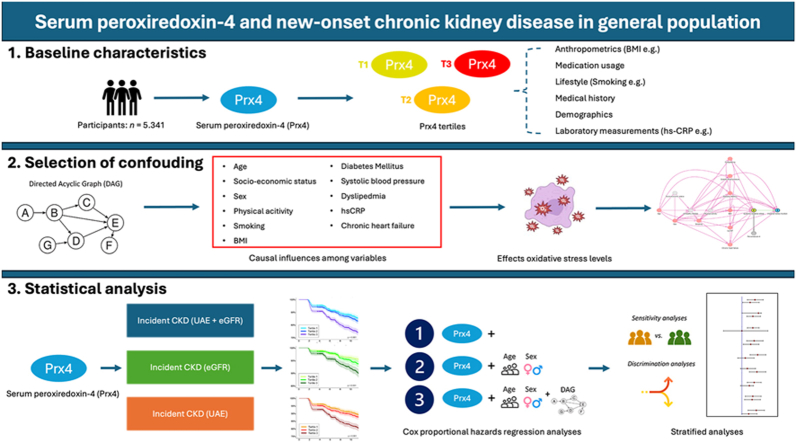
Background: Chronic Kidney Disease (CKD), is often detected late due to its asymptomatic nature in the early stage of the disease. Overproduction of reactive oxygen species contributes to various pathological processes through oxidative stress (OS), impacting on cellular structures and functions with previous studies suggesting a link between OS and CKD progression. This study investigated the association between serum peroxiredoxin-4 (Prx4), a biomarker of oxidative stress, and the development of CKD in the general population.
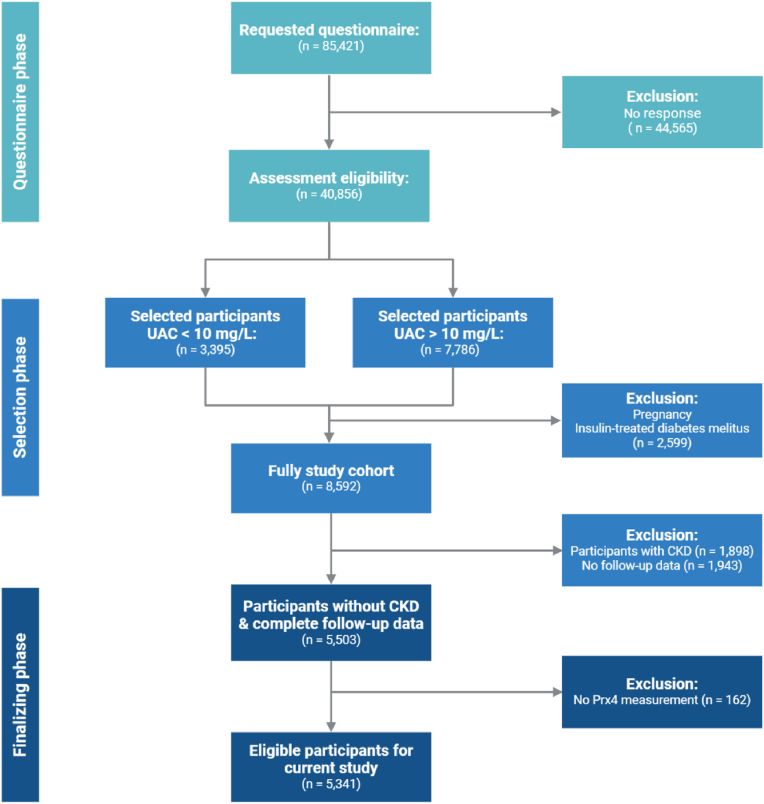
Methods: This study featured data from the Prevention of REnal and Vascular ENd-stage Disease (PREVEND) cohort, involving 5341 participants without CKD at baseline who underwent extensive prospective health evaluations. Serum Prx4 levels were quantified using an immunoluminometric assay. The primary outcome was new-onset CKD as defined by the composite of urinary albumin excretion (UAE) > 30 mg/24-h, an estimated glomerular filtration rate (eGFR) < 60 mL/min/1.73 m2, or both.
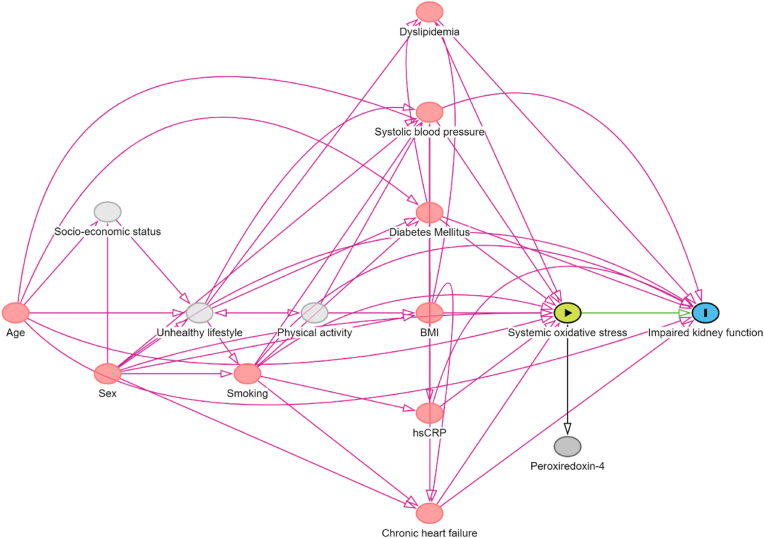
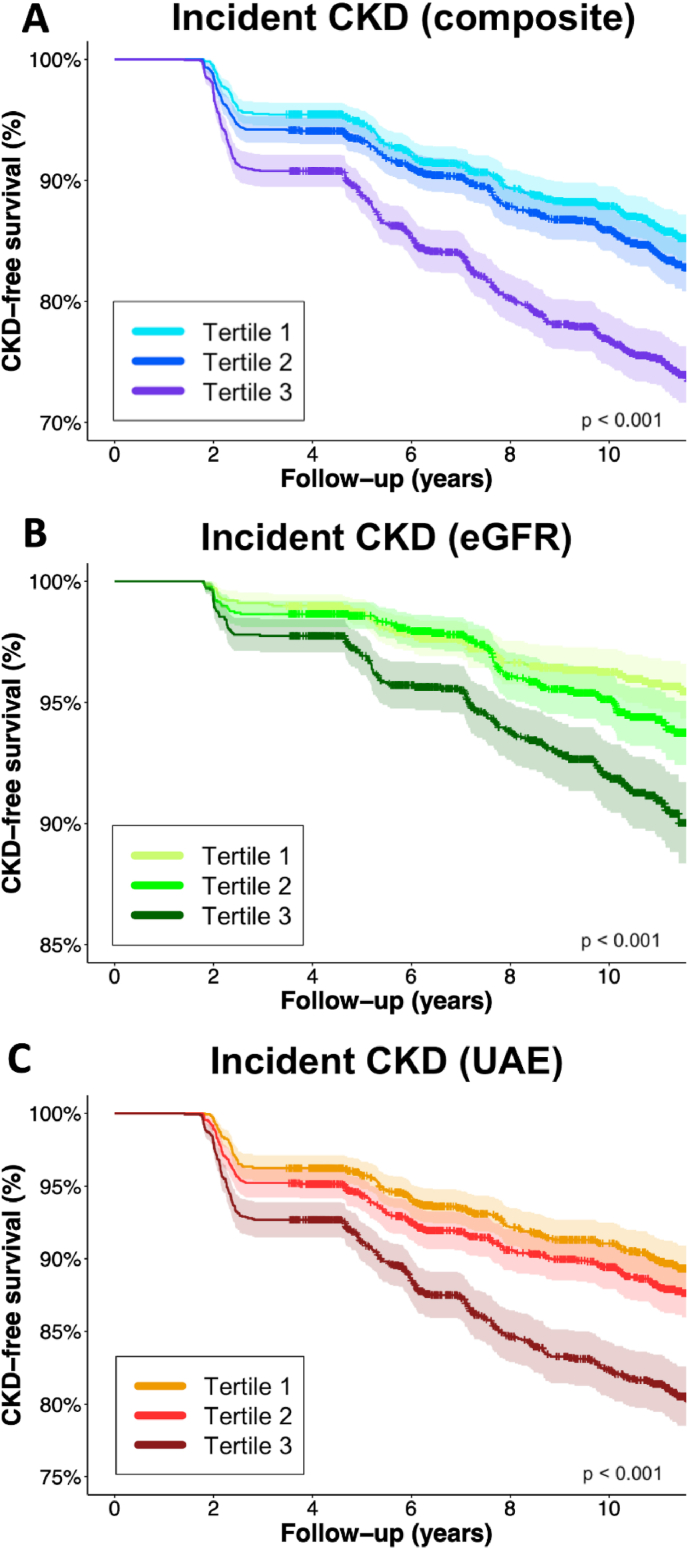
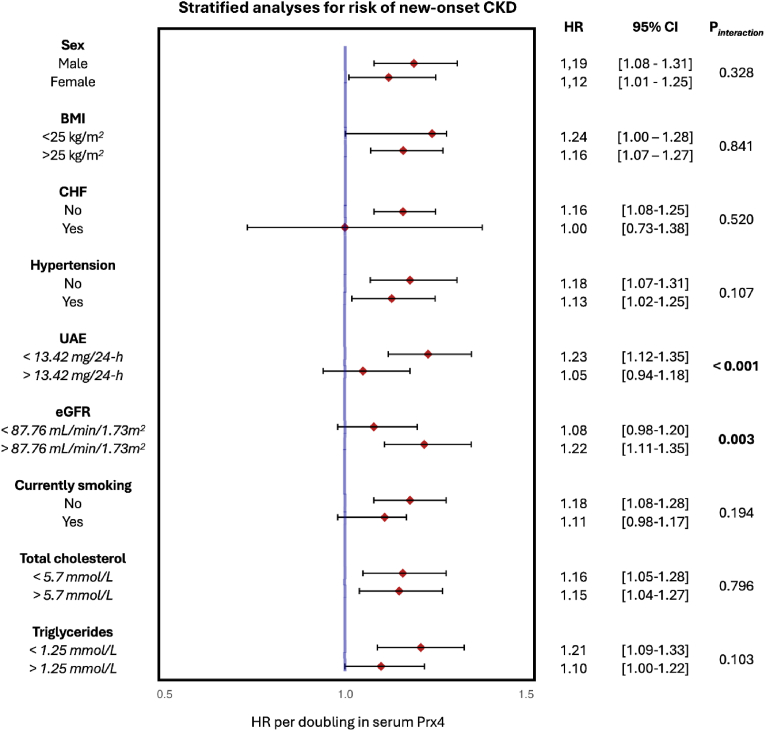
Results: Baseline median Prx4 level was 0.65 [interquartile range (IQR): 0.42-1.04] U/L, median eGFR was 98 [IQR: 87-108] mL/min/1.73 m2, and median UAE was 8.1 [IQR: 6.0-12.1] mg/L. During a median follow-up of 10.4 [IQR: 6.3-11.4] years, 867 (16.2 %) patients developed new-onset CKD. Higher Prx4 levels were significantly associated with an increased risk of CKD (hazard ratio (HR) per doubling: 1.29 [95 % confidence interval (CI): 1.21-1.37], p < 0.001), also after adjustment for risk factors including sex, smoking status, systolic blood pressure, high-sensitive C-reactive protein, chronic heart failure, diabetes mellitus and dyslipidemia (HR per doubling: 1.16 [1.06-1.24], p < 0.001). Sensitivity analyses confirmed the robustness of these findings.
Conclusions: This study supports the hypothesis that systemic oxidative stress, reflected by higher serum Prx4 levels, is significantly associated with the risk of developing CKD in the general population. These findings suggest that Prx4 could be a valuable biomarker for early risk stratification and prevention strategies in CKD management.
Keywords: CKD biomarker; Chronic kidney disease; Oxidative stress; Peroxiredoxin-4; Prx4.
Copyright © 2024 The Authors. Published by Elsevier B.V. All rights reserved.
Conflict of interest statement
Declaration of competing interest The authors declare that they have no known competing financial interests or personal relationships that could have appeared to influence the work reported in this paper.
Figures
References
-
- Drawz P., Rhaman M. American College of Physicians; 2015. In the Clinic ® Chronic Kindey Disease.
Publication types
MeSH terms
Substances
LinkOut - more resources
Full Text Sources
Medical
Research Materials
Miscellaneous
