


D-Penicillamine-Induced Stevens-Johnson Syndrome in a Patient with Gold Cyanide Intoxication: A Case Report
- PMID: 39494039
- PMCID: PMC11529279
- DOI: 10.2147/CCID.S489028
D-Penicillamine-Induced Stevens-Johnson Syndrome in a Patient with Gold Cyanide Intoxication: A Case Report
Abstract
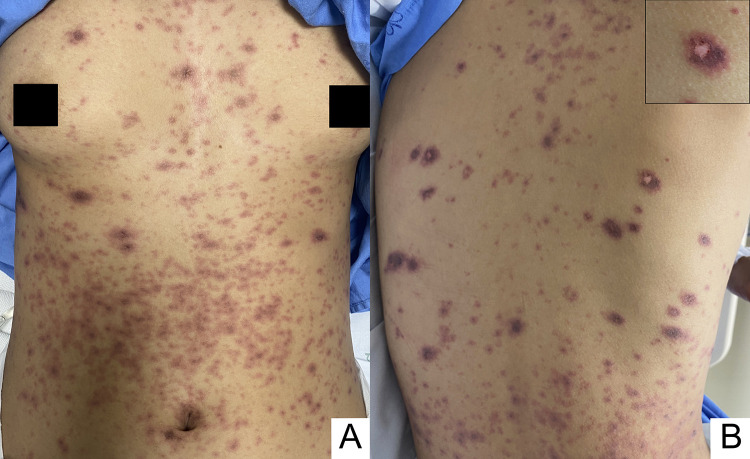
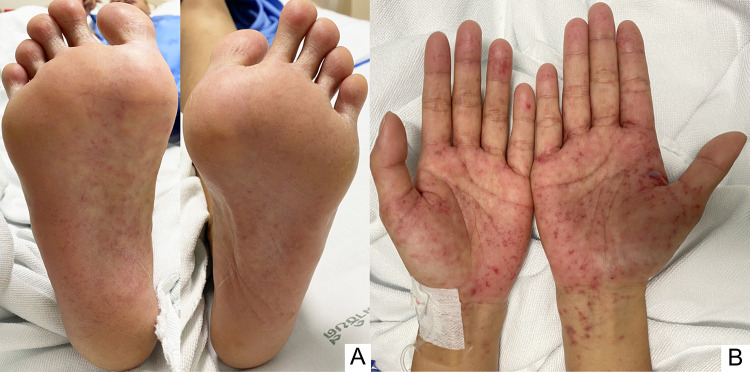
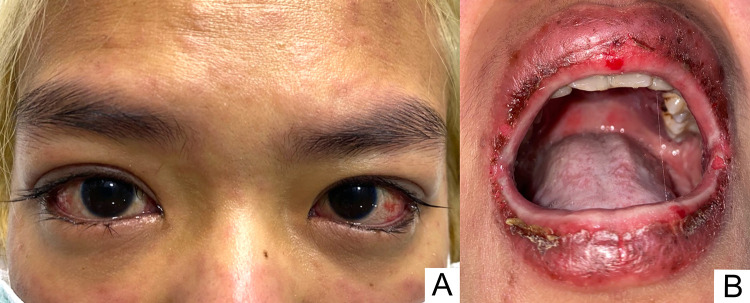
D-penicillamine is used as the mainstay of chelation therapy for Wilson's disease and for heavy metal intoxication. D-penicillamine itself has been noted to cause several systemic side effects as well as symptoms related to the skin. Common cutaneous side effects such as acute hypersensitivity reactions, elastic fiber abnormalities, and bullous diseases have been occasionally described. Herein, we report a case of a 23-year-old Thai female with gold intoxication who developed Stevens-Johnson syndrome (SJS) following the treatment of D-penicillamine. To our knowledge, D-penicillamine-induced SJS is exceptionally rare. To raise awareness of potentially fatal cutaneous adverse drug reaction triggered by D-penicillamine, published literature regarding SJS induced by this agent has also been reviewed. D-penicillamine should be regarded as a possible culprit in patients presenting with SJS following D-penicillamine administration and should be promptly discontinued.
Keywords: chelating agent; cutaneous adverse drug reaction; cyanide; epidermal necrolysis; gold salt; penicillamine.
© 2024 Anuntrangsee et al.
Conflict of interest statement
The authors declare that this manuscript was prepared in the absence of any commercial or financial relationships that could be construed as a potential conflict of interest.
Figures
References
-
- Mejias SG, Ramphul K. Penicillamine. In: StatPearls. Treasure Island (FL): ineligible companies. Disclosure: Kamleshun Ramphul declares no relevant financial relationships with ineligible companies; 2024.
-
- Gerhardsson L, Aaseth J. Chapter 7 - guidance for clinical treatment of metal poisonings—use and misuse of chelating agents. In: Aaseth J, Crisponi G, Andersen O, editors. Chelation Therapy in the Treatment of Metal Intoxication. Boston: Academic Press; 2016:313–341.
Publication types
LinkOut - more resources
Full Text Sources
