


Enhancing glymphatic fluid transport by pan-adrenergic inhibition suppresses epileptogenesis in male mice
- PMID: 39505840
- PMCID: PMC11541706
- DOI: 10.1038/s41467-024-53430-y
Enhancing glymphatic fluid transport by pan-adrenergic inhibition suppresses epileptogenesis in male mice
Abstract
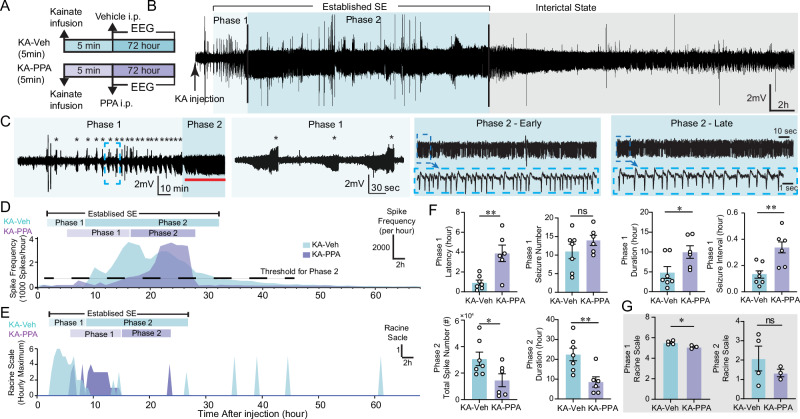
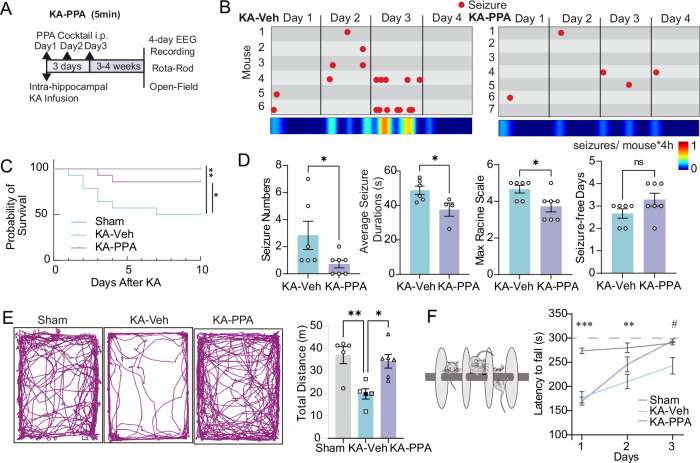
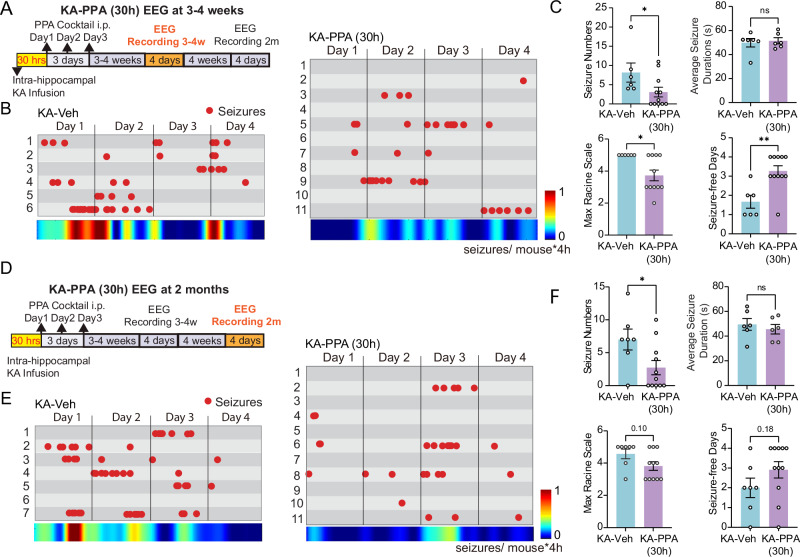
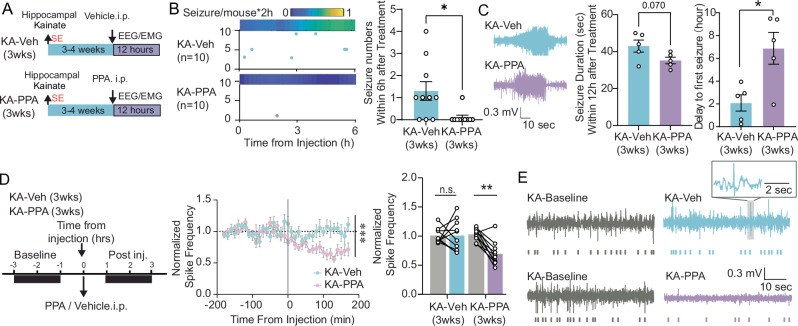
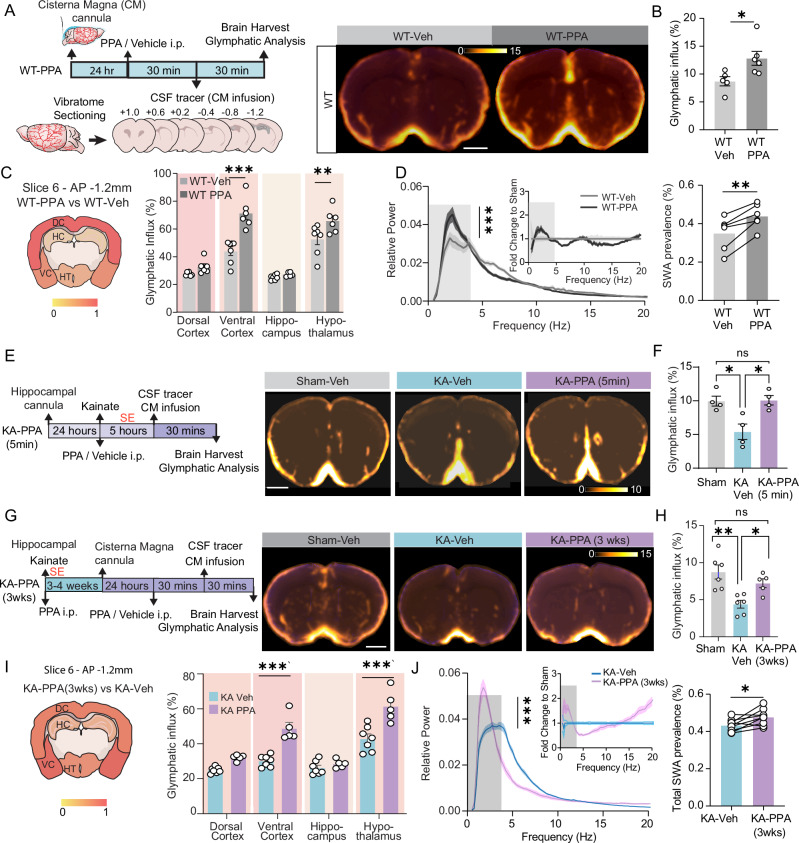
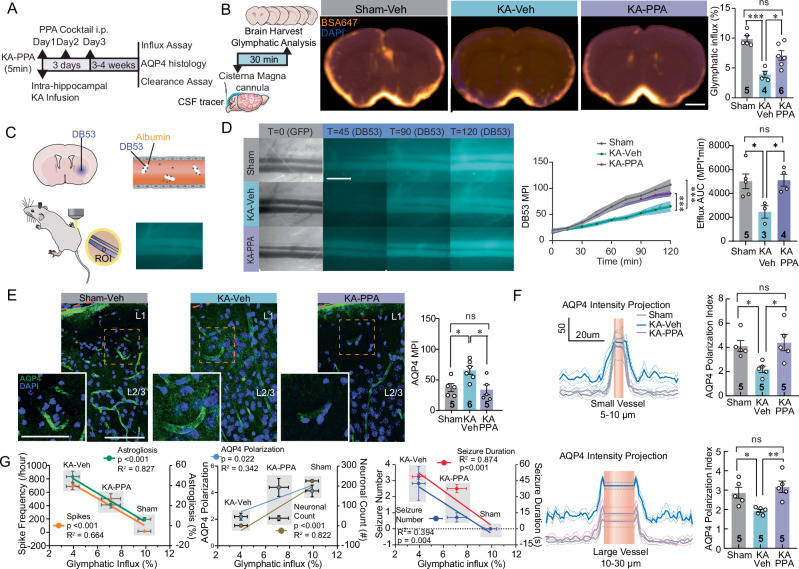
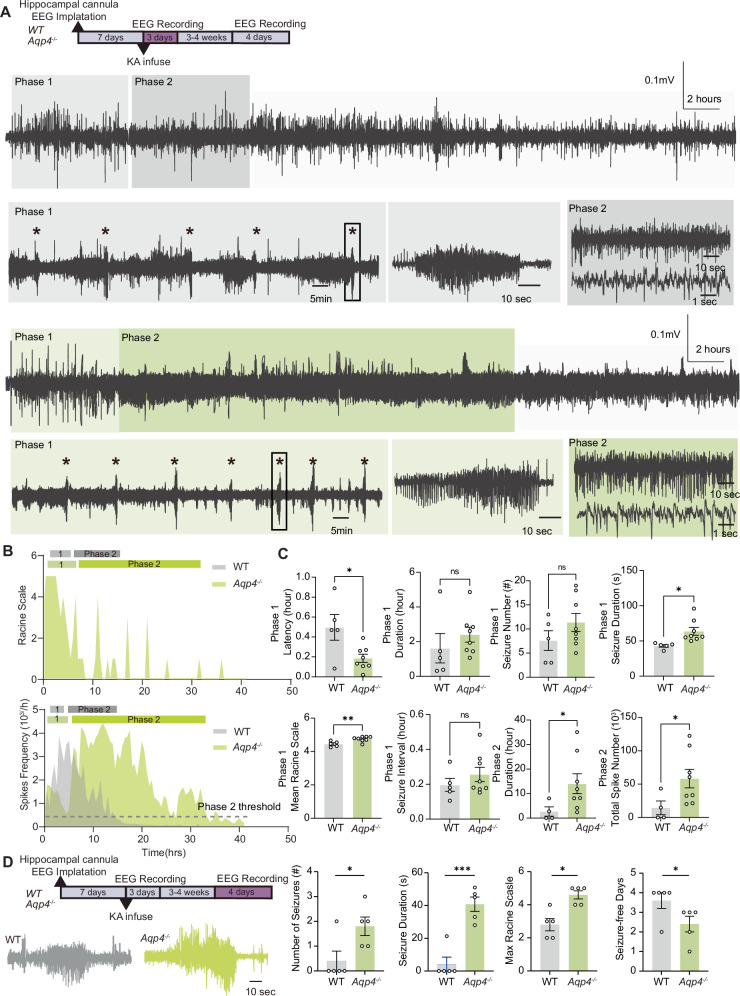
Epileptogenesis is the process whereby the previously normally functioning brain begins to generate spontaneous, unprovoked seizures. Status epilepticus (SE), which entails a massive release of neuronal glutamate and other neuroactive substances, is one of the best-known triggers of epileptogenesis. We here asked whether pharmacologically promoting glymphatic clearance during or after SE is beneficial and able to attenuate the subsequent epileptogenesis. We induced SE in adult male mice by intrahippocampal kainic acid (KA) infusion. Acute administration of a cocktail of adrenergic receptor antagonists (propranolol, prazosin, and atipamezole: PPA), enhanced glymphatic flow and effectively reduced the severity of spontaneous seizures in the chronic phase. The PPA treatment also reduced reactive gliosis and inhibited the loss of polarized expression of AQP4 water channels in the vascular endfeet of astrocytes. Administration of PPA after cessation of SE (30 hours post KA) also effectively suppressed epileptogenesis and improved outcome. Conversely, mice with constitutively low glymphatic transport due to genetic deletion of the aquaporin 4 (AQP4) water channel showed exacerbation of KA-induced epileptogenesis. We conclude that the pharmacological modulation of glymphatic fluid transport may represent a potential strategy to dampen epileptogenesis and the occurrence of spontaneous seizures following KA-induced SE.
© 2024. The Author(s).
Conflict of interest statement
The authors declare no competing interests.
Figures
References
-
- Fisher, R. S. et al. ILAE official report: a practical clinical definition of epilepsy. Epilepsia55, 475–482 (2014). - PubMed
Publication types
MeSH terms
Substances
Grants and funding
- R01 AT011439/AT/NCCIH NIH HHS/United States
- U19 NS128613/NS/NINDS NIH HHS/United States
- R01AT011439/U.S. Department of Health & Human Services | National Institutes of Health (NIH)
- U19NS128613/U.S. Department of Health & Human Services | National Institutes of Health (NIH)
- MURI W911NF1910280/U.S. Army Research Office
LinkOut - more resources
Full Text Sources
