


Comparison of nonimplantable electrical stimulation in women with urinary incontinence: a systematic review and network meta-analysis of randomized controlled trials
- PMID: 39506061
- PMCID: PMC11541891
- DOI: 10.1038/s41598-024-78358-7
Comparison of nonimplantable electrical stimulation in women with urinary incontinence: a systematic review and network meta-analysis of randomized controlled trials
Abstract
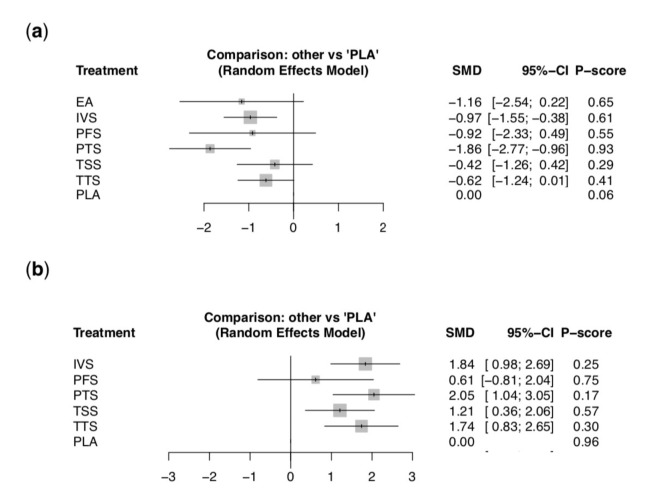
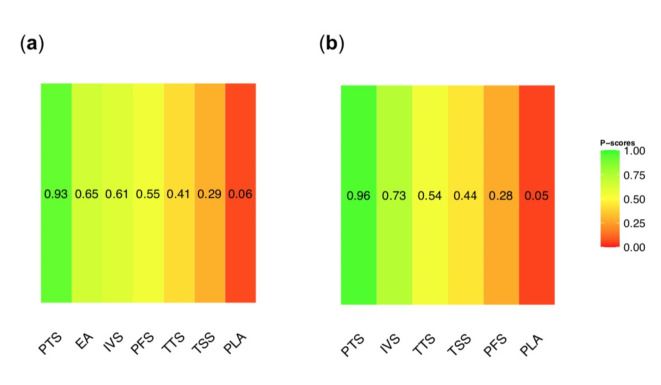
This study examined the effectiveness of various electrical stimulation methods in alleviating symptoms and enhancing the quality of life for women with urinary incontinence. We conducted a systematic search of PubMed, Cochrane Library, PEDro, EMBASE, and ClinicalTrials.gov from inception to August 2024. Randomized controlled trials (RCTs) that meet following criteria were included, urinary continence in women, using various electric stimulation treatments and evaluated outcomes related to symptoms, quality of life. Thirty RCTs were subjected to risk of bias assessment, certainty of evidence, and network meta-analysis. Statistical analysis was performed using a random-effects model, with continuous variables expressed as standardized mean difference (SMD) and 95% confidence interval (CI). Percutaneous tibial stimulation (SMD - 1.86, 95% CI - 2.77 to - 0.96) and intravaginal stimulation (SMD - 0.97, 95% CI - 1.55 to - 0.38) significantly reduced symptom severity. Additionally, percutaneous tibial, intravaginal, transcutaneous tibial, and trans-sacral stimulations improved quality of life. Percutaneous tibial stimulation was the most effective, followed by intravaginal stimulation. Despite moderate to low confidence in the evidence, large-scale RCTs are needed to evaluate long-term benefits of these treatment.
Keywords: Electric stimulation; Network meta-analysis; Systematic review; Urinary incontinence..
© 2024. The Author(s).
Conflict of interest statement
The authors declare no competing interests.
Figures
References
-
- Patel, U. J., Godecker, A. L., Giles, D. L. & Brown, H. W. Updated prevalence of urinary incontinence in women: 2015–2018 National Population-based survey data. Female Pelvic Med. Reconstr. Surg.28 (4), 181–187 (2022). - PubMed
-
- Milsom, I. Overactive bladder: Current understanding and future issues. BJOG: Int. J. Obstet. Gynecol. ;113. (2006).
-
- Abrams, P. Describing bladder storage function: Overactive bladder syndrome and detrusor overactivity. Urology. 62 (5 Suppl 2), 28–37 (2003). discussion 40 – 2. - PubMed
-
- Grigoryan, B., Kasyan, G. & Pushkar, D. Autologous slings in female stress urinary incontinence treatment: Systematic review and Meta-analysis of Randomized controlled trials. Int. Urogynecol. J.35 (4), 759–773 (2024). - PubMed
Publication types
MeSH terms
LinkOut - more resources
Full Text Sources
Medical
