


Metabolic Dysfunction-associated Steatotic Liver Disease and Type 2 Diabetes: A Deadly Synergy
- PMID: 39526052
- PMCID: PMC11548366
- DOI: 10.17925/EE.2024.20.2.2
Metabolic Dysfunction-associated Steatotic Liver Disease and Type 2 Diabetes: A Deadly Synergy
Abstract
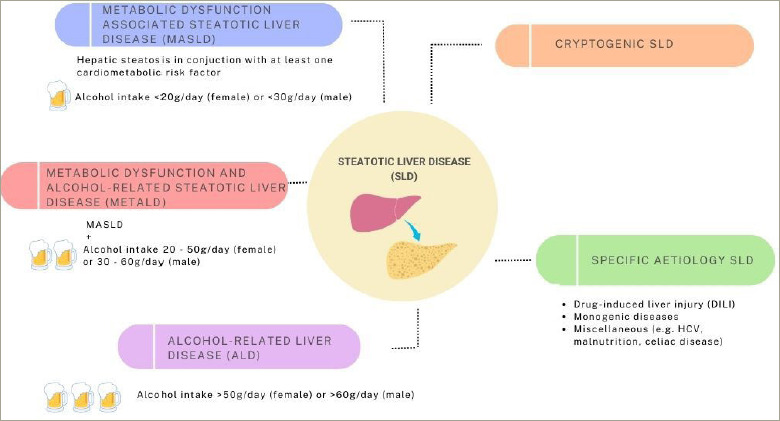
Type 2 diabetes (T2D) and metabolic dysfunction-associated steatotic liver disease (MASLD) are both facets of the metabolic syndrome, associated with obesity and insulin resistance. MASLD, a term that replaces non-alcoholic fatty liver disease (NAFLD), occurs in up to 70% of people with T2D. Not only do T2D and MASLD commonly co-occur, but there is a synergistic, bidirectional relationship between these conditions, meaning that each affects the natural disease course of the other. As such, it is important for those caring for people with T2D to recognize the importance of this co-diagnosis. In this summary, we detail the synergistic relationship between T2D and MASLD, explain the current challenges in recognizing this common co-diagnosis and suggest practical approaches for those caring for people with T2D to improve the diagnosis and treatment of MASLD.
Keywords: Alcohol-related liver disease; cardiometabolic risk factors; liver cirrhosis; metabolic and alcoholic-related steatotic liver disease; metabolic dysfunction-associated steatohepatitis; metabolic dysfunction-associated steatotic liver disease; non-alcoholic fatty liver disease; non-alcoholic steatohepatitis; steatotic liver disease; type 2 diabetes.
© Touch Medical Media 2024.
Conflict of interest statement
Disclosures: Paul Brennan has consulted for Resolution Therapeutics and received educational honoraria from Takeda outside of this work. Damien Leith and Yeun Yi Lin are employed on the iDiabetes project at the University of Dundee, funded by the Scottish Chief Scientist Office.
Figures
References
Publication types
LinkOut - more resources
Full Text Sources
Research Materials