


Faecal microbiota composition and impulsivity in a cohort of older adults with metabolic syndrome
- PMID: 39543142
- PMCID: PMC11564772
- DOI: 10.1038/s41598-024-78527-8
Faecal microbiota composition and impulsivity in a cohort of older adults with metabolic syndrome
Abstract
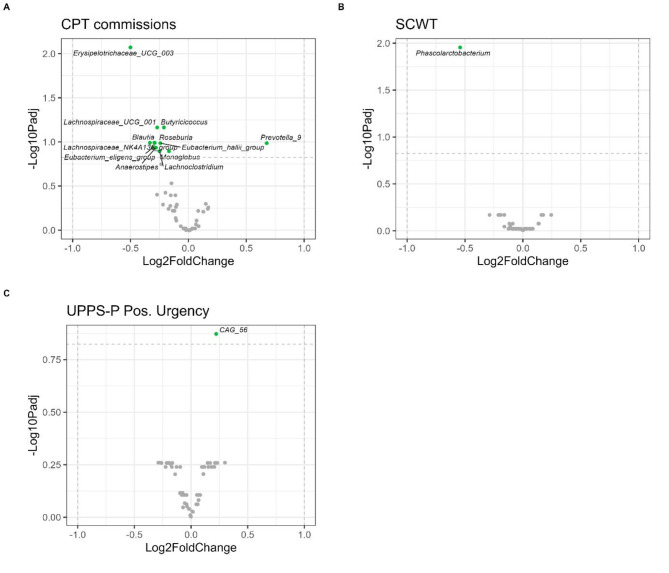
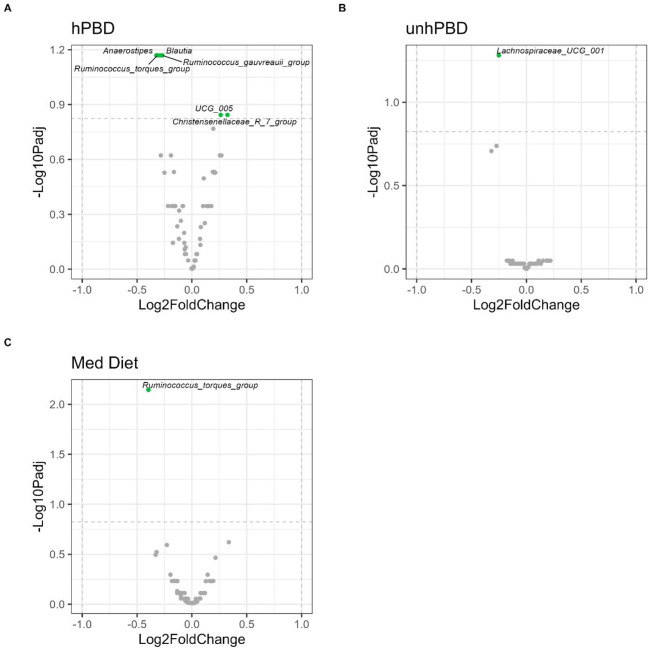
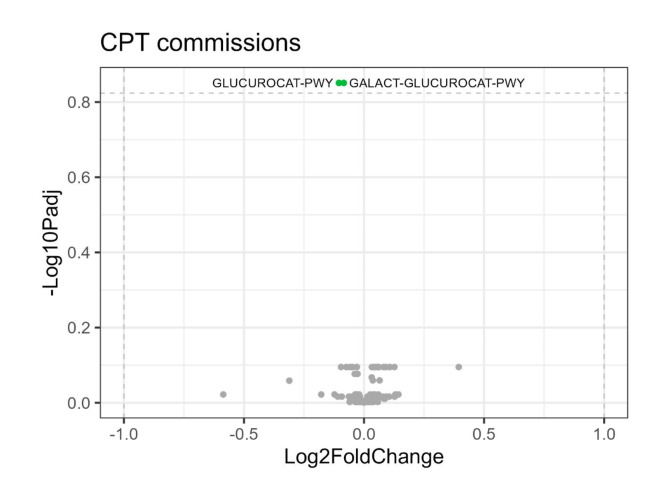
Impulsivity is an important determinant of human behaviour, affecting self-control, reasonable thinking and food choices. Recent evidence suggests a role for gut microbiota in human behaviour, but the relationship between gut microbiota and impulsive behaviours remains largely unexplored. To address this knowledge gap, the present study aims to explore the associations between faecal microbiota composition with trait and behavioural impulsivity, in a subcohort of the PREDIMED-Plus trial, including older adults presenting overweight/obesity. Fecal samples (n = 231) were profiled for their microbiota composition using 16 S rRNA amplicon sequencing and impulsivity was determined through four different assessments. Adherence to different dietary patterns was estimated through questionnaires. Beta diversity analyses showed a significant association with the Conner's Performance Test (CPT) in multivariate-adjusted models, and, in total, 13 bacterial genera associated with CPT. Erysipelotrichaceae UCG 003 showed the highest association with CPT and known butyrate producers such as Butyricicoccus spp., Roseburia spp., and Eubacterium hallii were among the identified bacteria. The bacteria Lachnospiraceae UCG 001, Anaerostipes and Blautia were associated with CPT and also the adherence to healthy and unhealthy plant-based diets. In addition, functional analysis showed a significant negative association between the CPT and the glucuronate and galacturonate metabolic pathways. From the other impulsivity assessments, two more associations were identified, for the genus Phascolarctobacterium with the Stroop test, and the genus Lachnospiraceae GAG 54 with the positive urgency subscore of UPPS-P Impulsive Behaviour Scale. Overall, our findings suggest potential links between the faecal microbiota composition and function with behavioural impulsive inattention as determined by the CPT.
© 2024. The Author(s).
Conflict of interest statement
Figures
References
-
- Moeller, F. G., Barratt, E. S., Dougherty, D. M., Schmitz, J. M. & Swann, A. C. Psychiatric aspects of impulsivity. Am. J. Psychiatry. 158, 1783–1793 (2001). - PubMed
-
- Lynam, D. R., Smith, G. T., Whiteside, S. P. & Cyders, M. A. The UPPS-P: assessing five personality pathways to impulsive behavior. West. Lafayette IN: Purdue Univ.10 (2006).
-
- Kulacaoglu, F. & Kose, S. Singing under the impulsiveness: Impulsivity in psychiatric disorders. 28, 205–210 10.1080/247505732017.1410329 (2017).
-
- Lee, R. S. C., Hoppenbrouwers, S. & Franken, I. A. Systematic meta-review of impulsivity and compulsivity in addictive behaviors. Neuropsychol. Rev.29, 14–26 (2019). - PubMed
-
- Emery, R. L. & Levine, M. D. Questionnaire and behavioral task measures of impulsivity are differentially associated with body mass index: A comprehensive meta-analysis. Psychol. Bull.143, 868–902 (2017). - PubMed
MeSH terms
Substances
Grants and funding
LinkOut - more resources
Full Text Sources
Medical
Miscellaneous
