


Unveiling the molecular mechanisms of Danggui-Shaoyao-San against Alzheimer's disease in APP/PS1 mice via integrating proteomic and metabolomic approaches
- PMID: 39563386
- PMCID: PMC11577849
- DOI: 10.1186/s13195-024-01618-1
Unveiling the molecular mechanisms of Danggui-Shaoyao-San against Alzheimer's disease in APP/PS1 mice via integrating proteomic and metabolomic approaches
Abstract
Background: Alzheimer's disease (AD) is the most prevalent neurodegenerative disorder for which no effective therapy is currently available. Given that various attempts to target beta-amyloid (Aβ) have been unsuccessful in clinical trials, other potential pathogenic factors such as brain energy metabolism (EM) have attracted increasing attention. Traditional Chinese medicines, including danggui-shaoyao-san (DSS), play a notable role in AD. However, it remains unclear whether DSS exerts therapeutic effects on AD through EM regulation.
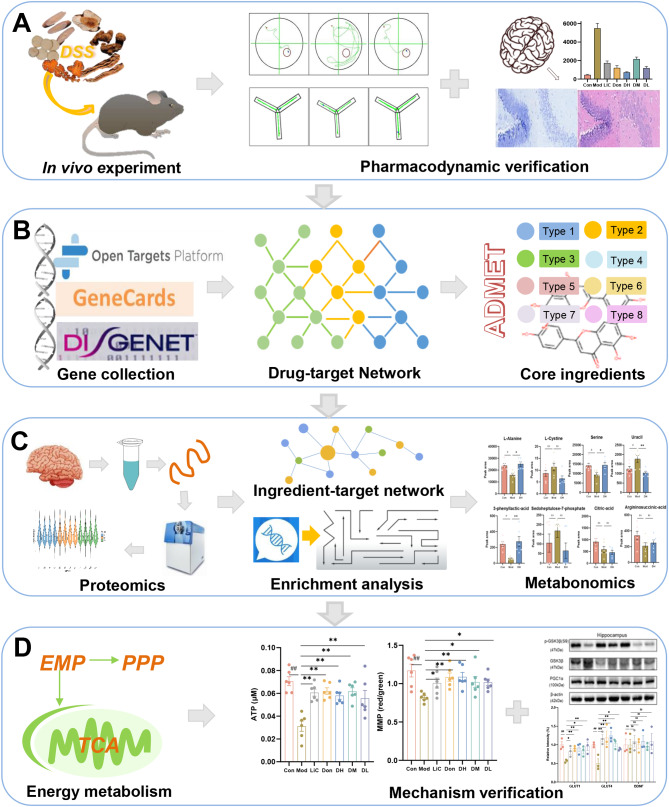
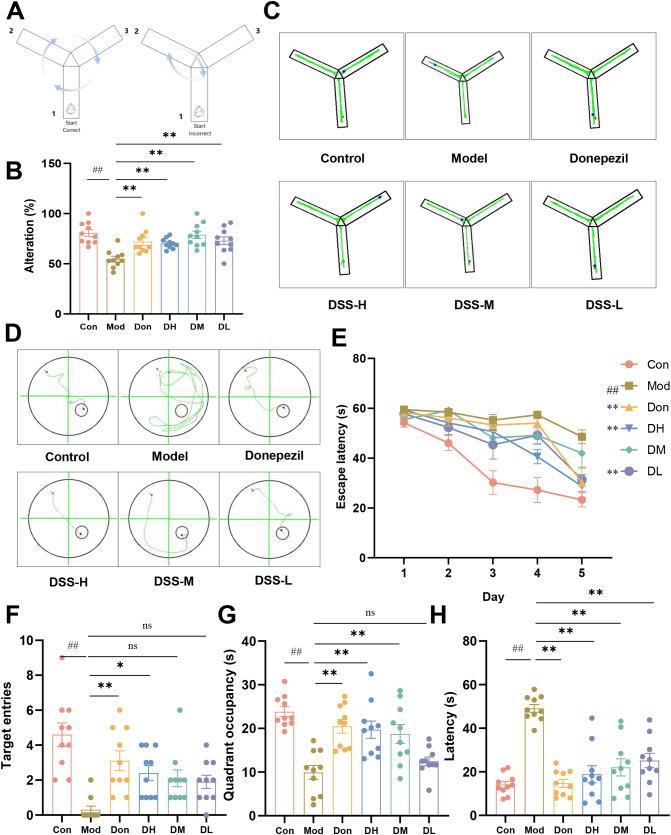
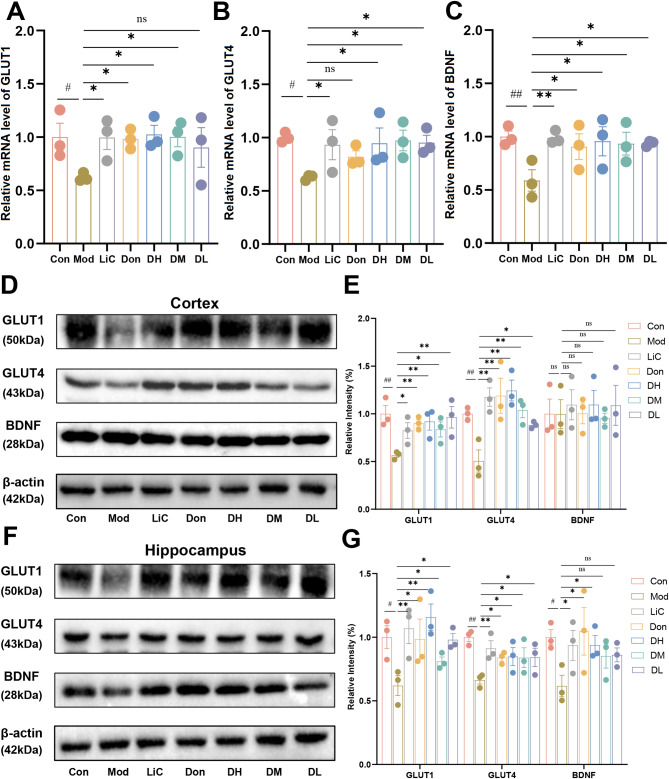
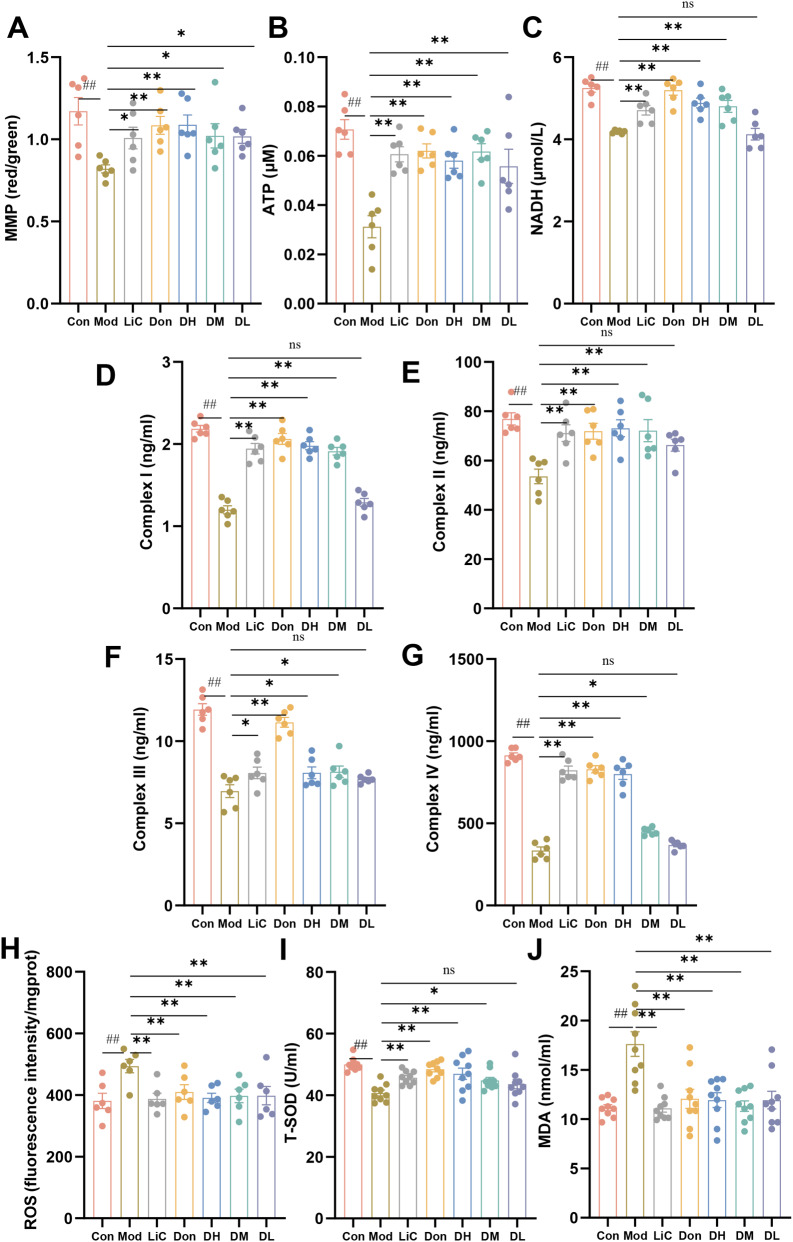
Methods: In this study, we conducted behavioural tests, Nissl staining, haematoxylin and eosin staining, and thioflavin S staining, in APP/PS1 mice to assess the pharmacodynamic effect of DSS on AD. Subsequently, we integrated the drug target network of herbal ingredients in DSS and evaluated their absorption, distribution, metabolism, excretion, and toxicity properties to identify the core ingredients. We used proteomic and metabolomic approaches to explore the potential mechanisms of action of DSS against AD. Consequently, we verified the mechanism underlying EM using qPCR, western blotting, and ELISA.
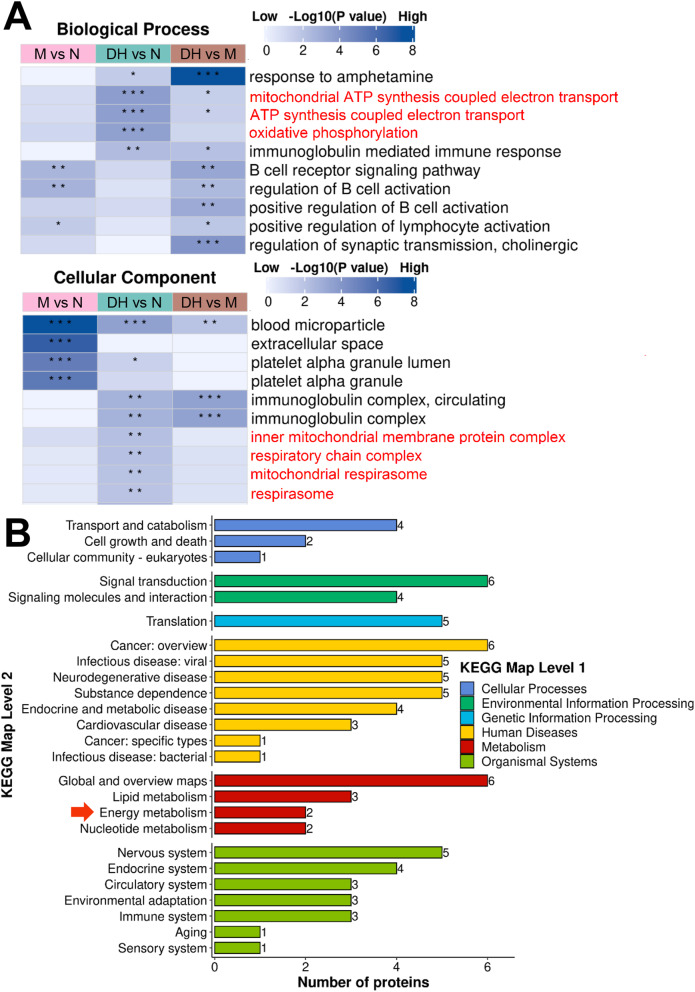
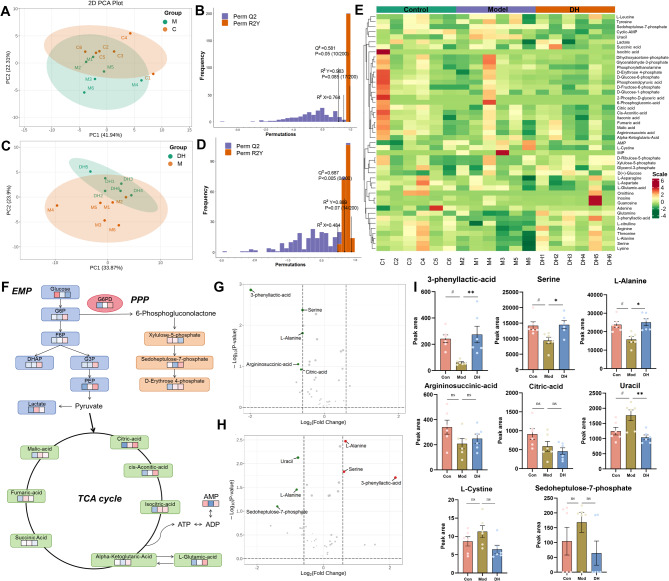
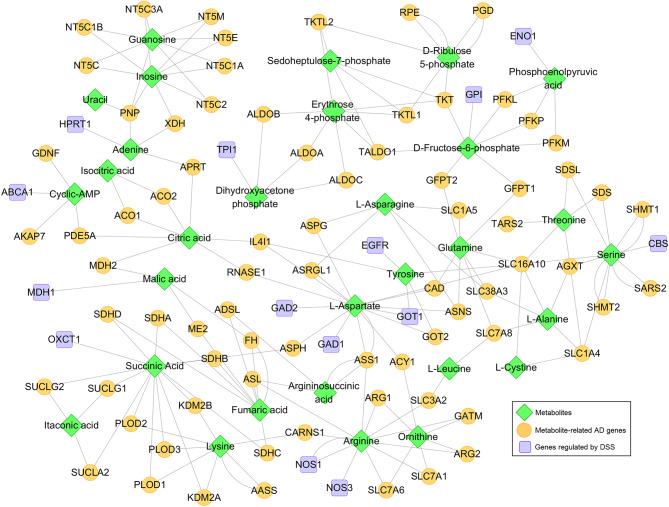
Results: In vivo experimental results revealed that DSS ameliorated cognitive impairment in APP/PS1 mice, attenuated neuronal apoptosis, and reduced Aβ burden. Furthermore, the drug-target network comprised 6,514 drug-target interactions involving 1,118 herbal ingredients and 218 AD genes, of which 253 were identified as the core ingredients in DSS. The proteomic results implied that DSS could act on EM to alleviate AD, and targeted energy metabolomics suggested that DSS regulated 47 metabolites associated with EM. Mechanistically, we found that DSS could regulate the GSK3β/PGC1α signalling pathway to improve brain glucose uptake and mitigate mitochondrial dysfunction and oxidative stress, ultimately promoting EM to treat AD.
Conclusion: Our study is the first to integrate multi-omics approaches to reveal that DSS could regulate the GSK3β/PGC1α signalling pathway to exert therapeutic effects in AD through the promotion of EM, thereby providing new insights into the mechanism of action of DSS against AD.
Keywords: Alzheimer’s disease; Danggui-Shaoyao-San; Energy metabolism; Multi-omics.
© 2024. The Author(s).
Conflict of interest statement
Figures




References
-
- Patel V, Mill J, Okonkwo OC, Salamat S, Li L, Raife T. Global Energy metabolism deficit in Alzheimer Disease Brain. J Prev Alzheimers Dis. 2024;11(1):171–8. - PubMed
MeSH terms
Substances
Grants and funding
- 82160956, 82460992/National Natural Science Foundation of China
- 82074505, 82374547/National Natural Science Foundation of China
- No. B2023170/Science and Technology Research Project of the Department of Education of Hubei Province
- 821RC1129/Hainan Provincial Natural Science Foundation of China
- 822MS069/Hainan Provincial Natural Science Foundation of China
- [2021] No. 276/Hainan Province Clinical Medical Center
- 2023No3/TCM Geriatrics Construction Project, Key Discipline of National Administration of TCM
- 2023A1515012148/Basic and Applied Basic Research Foundation of Guangdong Province
- 2023A1515011835/Guangdong Basic and Applied Basic Research Foundation
LinkOut - more resources
Full Text Sources
Medical
