


No effects of high- v. low-protein breakfast on body composition and cardiometabolic health in young women with overweight: the NewStart randomised trial
- PMID: 39587799
- PMCID: PMC11793950
- DOI: 10.1017/S0007114524003015
No effects of high- v. low-protein breakfast on body composition and cardiometabolic health in young women with overweight: the NewStart randomised trial
Abstract
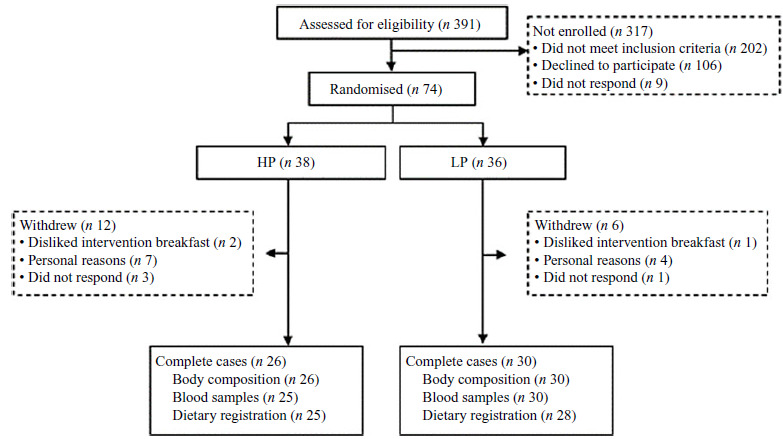
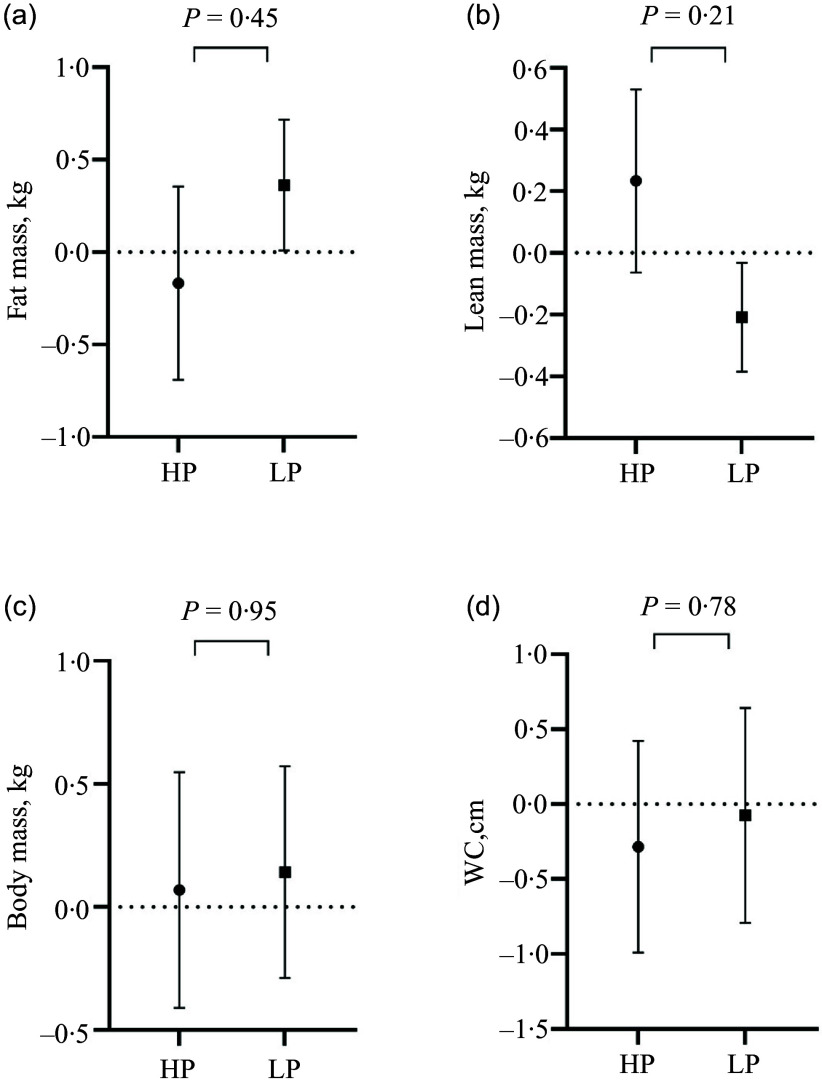
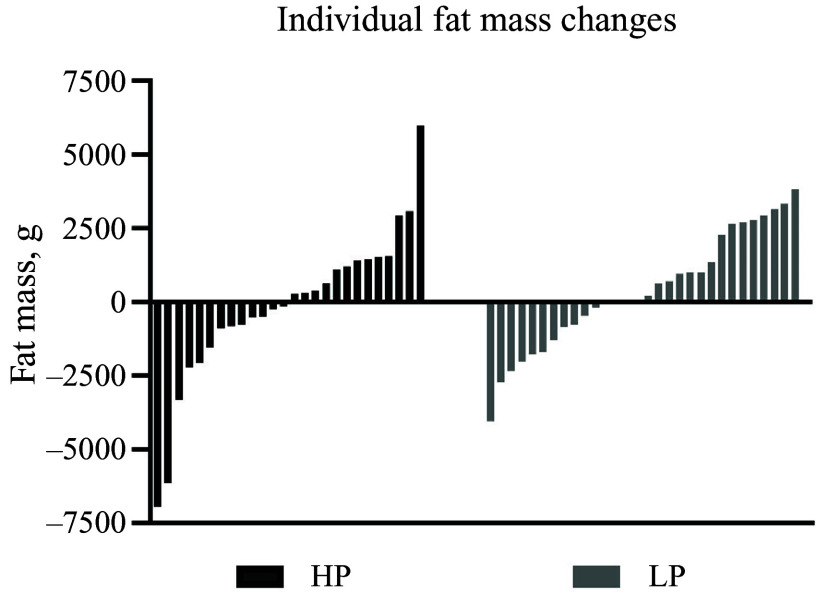
The aim of this randomised controlled trial was to investigate the effects of breakfast high or low in protein on body composition and cardiometabolic markers in young women with overweight. In total, fifty-six women aged 18-30 years consumed a breakfast containing either high protein (34 g protein, n 26) or low protein (6 g protein, n 30) for 12 weeks. Measurements of body composition by dual-energy X-ray absorptiometry, waist circumference, glucose tolerance, fasting glucose, insulin and lipid profile were performed before and after this period. The primary outcome was fat mass. Satiety and hunger were evaluated by self-reported Visual Analogue Scale (VAS) scores. Dietary intake was estimated by 4-d dietary records, and calcium intake was estimated by FFQ. At baseline, relative daily protein intake was 15·2 ± 2·8 E%, which increased to 19·3 ± 3·4 E% in high protein but was unchanged in low protein (P < 0·001 between groups). High protein reported higher satiety compared with low protein (P = 0·02). Yet, no group differences were observed in changes in energy intake, body composition, blood lipid profile or measures of glucose tolerance (all P > 0·10). However, bone mineral content tended to increase in high protein (P = 0·05) and decrease in low protein (P = 0·07, interaction effect: P = 0·01). Conclusively, a high v. low content of protein in breakfast increased satiety but did not affect body composition or cardiometabolic markers in young women with overweight. This study adds to the sparse evidence on the effects of breakfast with different macronutrient compositions on health parameters in women with overweight. Registered at clinicaltrials.gov: NCT04518605.
Keywords: Dairy; Diet intervention; Fat mass; Obesity; Satiety.
© The Author(s), 2024. Published by Cambridge University Press on behalf of The Nutrition Society
Conflict of interest statement
On behalf of all authors, the corresponding author states that there is no declaration of interest.
Figures
References
-
- Chooi YC, Ding C & Magkos F (2019) The epidemiology of obesity. Metabolism 92, 6–10. - PubMed
-
- Matthiessen J & Stockmarr A (2015) More Danish overweight females. E-article from the DTU National Food Institute. Nr 2. www.food.dtu.dk (accessed December 2024).
-
- Rosendahl H, Davidsen, M , Møller SR, et al. (2022) The Health of Danes: The National Health Profile 2021. Danish Health Authority. www.sst.dk (accessed December 2024).
-
- Dikaiou P, Björck L, Adiels M, et al. (2021) Obesity, overweight and risk for cardiovascular disease and mortality in young women. Eur J Prev Cardiol 28, 1351–1359. - PubMed
Publication types
MeSH terms
Substances
Associated data
LinkOut - more resources
Full Text Sources
Medical
