


Bee Venom Acupuncture for Shoulder Pain: A Literature Review of Clinical Studies
- PMID: 39591256
- PMCID: PMC11598799
- DOI: 10.3390/toxins16110501
Bee Venom Acupuncture for Shoulder Pain: A Literature Review of Clinical Studies
Abstract
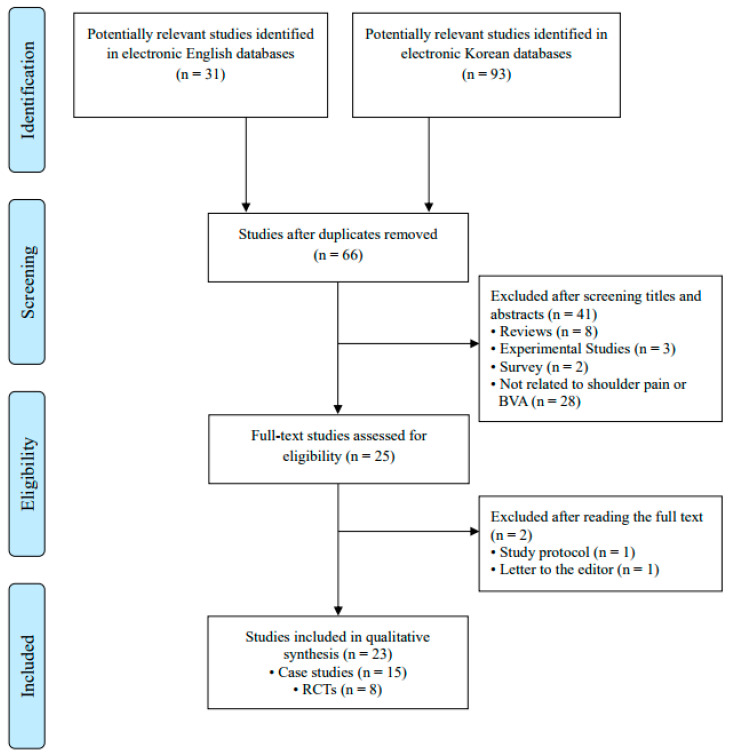
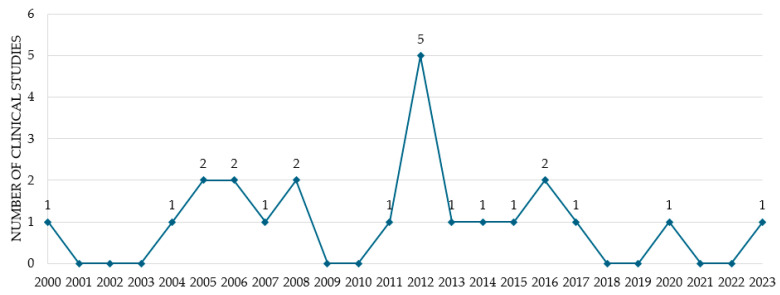
Managing shoulder pain typically involves the use of acetaminophen or oral nonsteroidal anti-inflammatory drugs, but prolonged use of these medications can lead to dependence and various side effects. To overcome the dose dependency and side effects of these conventional drugs, animal venoms have begun to be utilized. Among them, bee venom stands out for its powerful anti-inflammatory properties, which help relieve pain and treat chronic inflammatory conditions. This review evaluates the efficacy and safety of bee venom acupuncture (BVA) for shoulder pain. In March 2024, we searched 11 databases: 5 international and 6 Korean databases. We identified 23 clinical studies on BVA for shoulder pain. The causes of shoulder pain were post-stroke pain (43.5%), rotator cuff syndrome (17.4%), and brachial plexus palsy (13.0%). The BVA concentration and dosage per session were 0.005-1.0 mg/mL and 0.01-2.0 mL, respectively. All included clinical studies reported positive effects on pain outcomes. This review suggests that BVA, which involves injecting bee venom into acupuncture points, may serve as a viable alternative for pain management. However, the level of evidence in the included studies was low and adverse effects were reported infrequently, indicating that further research is needed.
Keywords: bee venom; bee venom acupuncture; clinical studies; shoulder pain.
Conflict of interest statement
The authors declare no conflicts of interest.
Figures
References
-
- Urwin M., Symmons D., Allison T., Brammah T., Busby H., Roxby M., Simmons A., Williams G. Estimating the burden of musculoskeletal disorders in the community: The comparative prevalence of symptoms at different anatomical sites, and the relation to social deprivation. Ann. Rheum. Dis. 1998;57:649–655. doi: 10.1136/ard.57.11.649. - DOI - PMC - PubMed
Publication types
MeSH terms
Substances
Grants and funding
LinkOut - more resources
Full Text Sources
Medical
