


Psychological impacts of the Gaza war on Palestinian young adults: a cross-sectional study of depression, anxiety, stress, and PTSD symptoms
- PMID: 39593100
- PMCID: PMC11600870
- DOI: 10.1186/s40359-024-02188-5
Psychological impacts of the Gaza war on Palestinian young adults: a cross-sectional study of depression, anxiety, stress, and PTSD symptoms
Abstract
Background: The Gaza Strip has been embroiled in a violent military assault since October 2023, with an immense toll on the civilian population. Armed conflicts threaten the mental health of affected communities and survivors, and psychiatric morbidity increases with forced displacement and with severe and recurrent trauma. This study investigates the prevalence and predisposing factors of depression, anxiety, stress, and PTSD symptoms in a group of young adult students from the Gaza Strip during the war.
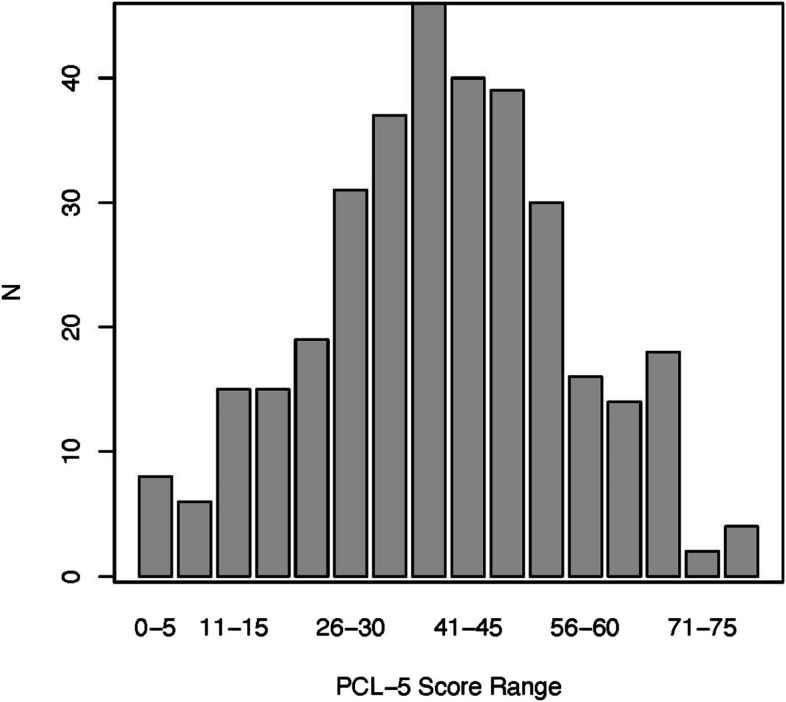
Methods: A cross-sectional, internet-based survey recruited medical students from the Gaza Strip and used the DASS21, SWLS, and PCL-5 instruments. PTSD diagnosis required having a PCL-5 score ≥ 23 and fulfilling the DSM-5 criteria. Rates of depression, anxiety, stress, and life satisfaction were compared with a previous dataset collected in 2022. Finally, logistic regression models were fitted using R software to identify factors significantly associated with depression, anxiety, stress, and PTSD.
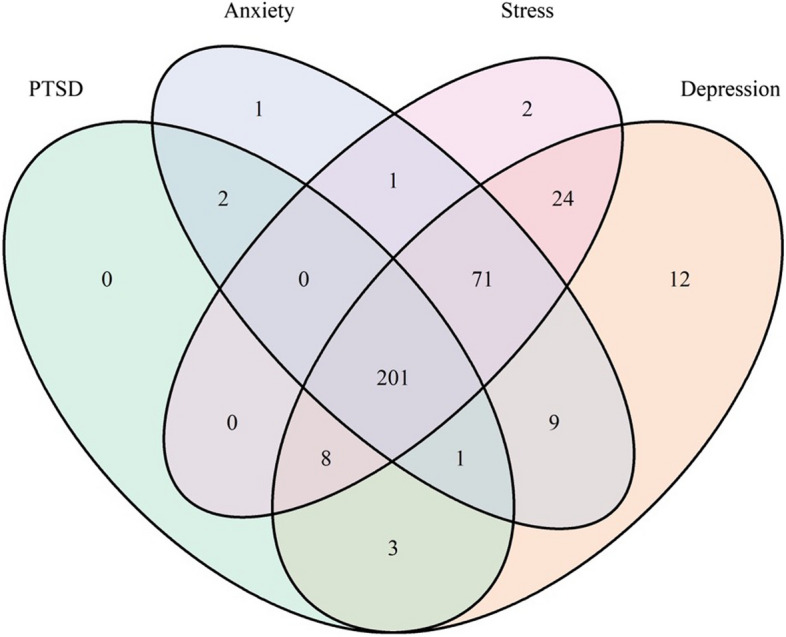
Results: Three hundred thirty-nine medical students participated. Most had been displaced several times, and the great majority had lost a relative, colleague, or friend. Also, a majority had lost their homes and income. 97.05% of participants suffered mild depressive symptoms or higher, while 84.37% and 90.56% reported mild anxiety and mild stress symptoms or higher, respectively. High levels of life dissatisfaction were also found, and 63.40% suffered from PTSD. Symptoms were significantly more prevalent than baseline rates. All participants with PTSD had at least one psychiatric comorbidity. Living in a shelter and having moderate stress symptoms or higher were significantly associated with depression. Being a female, losing a friend, having moderate stress symptoms or higher, and having PTSD predicted having moderate anxiety or higher. Having moderate or higher depression symptoms, moderate or higher anxiety symptoms, and PTSD predicted having moderate stress symptoms or higher. Finally, moderate or higher anxiety and stress symptoms predicted having PTSD.
Conclusion: The study detected very high rates of psychiatric disorders among its population of young adult medical students and outlined a myriad of risk factors associated with higher comorbidity. Interventions are needed to prevent a brewing mental health crisis in the Gaza Strip.
Keywords: Anxiety; Armed conflicts; Depression; Mental health; Middle East; PTSD; Stress.
© 2024. The Author(s).
Conflict of interest statement
Declarations. Ethics approval and consent to participate: Ethical approval for this study was obtained from the Institutional Review Board (IRB) at the Islamic University of Gaza. All participants provided written informed consent. The data were maintained confidential throughout data collection and analysis. Consent for publication: Not applicable. Competing interests: The authors declare no competing interests.
Figures
References
-
- Abudayya A, Bruaset GTF, Nyhus HB, Aburukba R, Tofthagen R. Consequences of war-related traumatic stress among Palestinian young people in the Gaza Strip: A scoping review. Ment Health Prev. 2023;32:200305. - DOI
MeSH terms
LinkOut - more resources
Full Text Sources
Medical
