


The mutually reinforcing dynamics between pain and stress: mechanisms, impacts and management strategies
- PMID: 39624230
- PMCID: PMC11609167
- DOI: 10.3389/fpain.2024.1445280
The mutually reinforcing dynamics between pain and stress: mechanisms, impacts and management strategies
Abstract
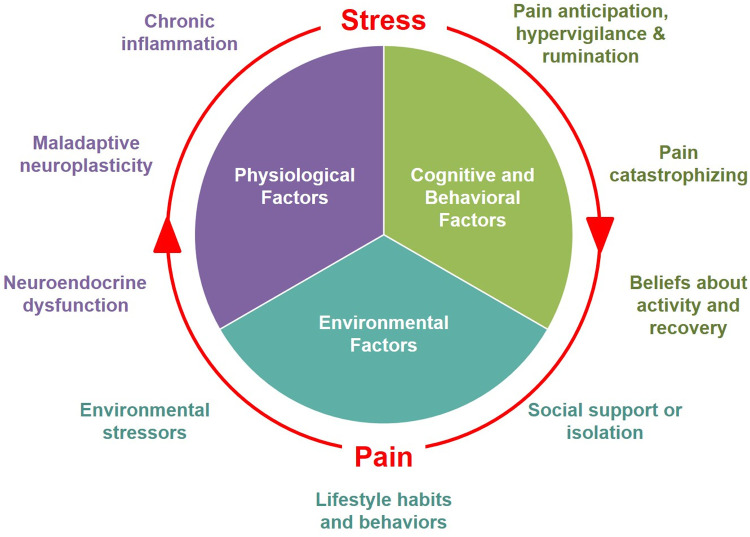
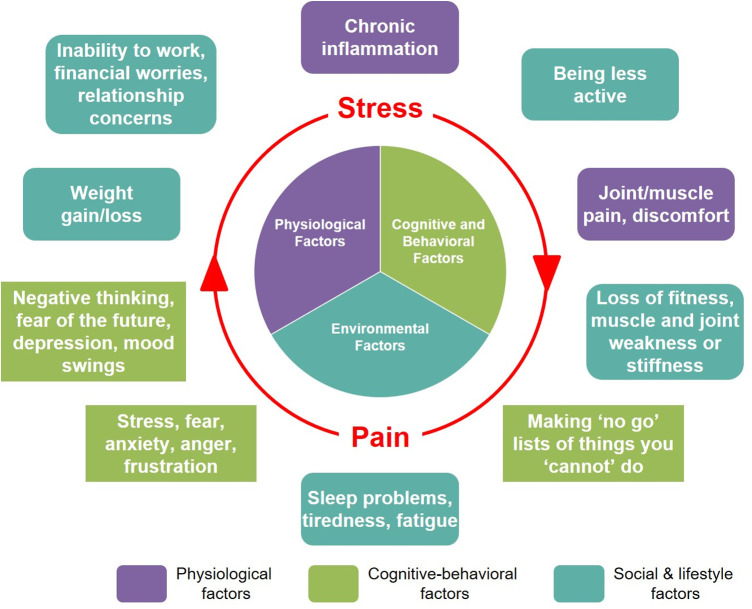
While distinct, pain and stress share complex biological and psychological mechanisms that-despite their protective functions-can lead to clinically maladaptive changes requiring therapeutic intervention when they recur or persist. Recognized as "worldwide epidemics" of modern life, both conditions significantly affect an individual's quality of life, functioning, and well-being; without timely intervention, they can become chronic, leading to substantial economic costs via healthcare expenses, lost wages, and reduced productivity. Evidence suggests that pain and stress not only feed into but exacerbate each other through a "vicious cycle," driven by overlapping physiological, cognitive, and social mechanisms, indicating mutually reinforcing dynamics between pain and stress. In this review, we highlight the importance of recognizing the overlapping mechanisms that promote the persistence of pain and stress: (1) key physiological processes like maladaptive neuroplasticity, neuroendocrine dysfunction, and chronic inflammation; (2) cognitive and behavioral patterns such as fear avoidance, hypervigilance, and catastrophizing; along with (3) social, lifestyle, and environmental influences, such as socioeconomic status, lack of social support, and lifestyle choices. Through a case study, we illustrate the real-world implications of this vicious cycle perpetuating both conditions. We call for a paradigm shift in pain and stress management, advocating for a holistic management strategy encompassing pharmacological, psychological, and lifestyle interventions that address the underlying biopsychosocial factors. By fostering greater awareness among primary care practitioners and healthcare professionals, it is possible to better support individuals in breaking the cycle of pain and stress, thereby enhancing their quality of life and overall well-being.
Keywords: acute pain; chronic pain; pain management; persistent pain; stress.
© 2024 Aboushaar and Serrano.
Conflict of interest statement
NA is supported by a Rutgers Pharmaceutical Industry Fellowship (RPIF), in partnership with Bayer Consumer Health. NS is an employee of Bayer HealthCare LLC.
Figures
References
Publication types
LinkOut - more resources
Full Text Sources
Miscellaneous
