


Identification of cuproptosis-related genes in septic shock based on bioinformatic analysis
- PMID: 39652607
- PMCID: PMC11627398
- DOI: 10.1371/journal.pone.0315219
Identification of cuproptosis-related genes in septic shock based on bioinformatic analysis
Abstract
Background: Septic shock is a life-threatening condition characterized by a failure of organ systems and a high mortality rate. Cuproptosis is a new form of cell death that is triggered by copper overload. However, the relationship between cuproptosis-related genes and septic shock remains unclear.
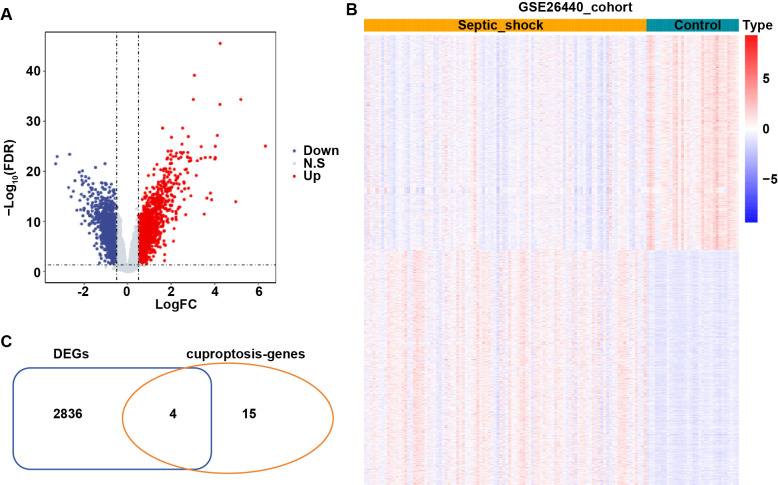
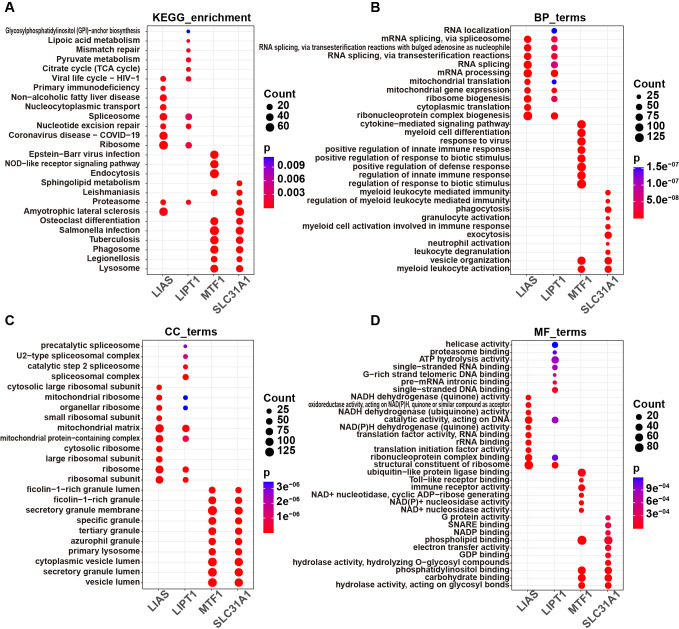
Methods: The GSE26440 dataset from the GEO database was used to screen differentially expressed genes (DEGs) between control and septic shock samples. Additionally, hub genes related to the progression of septic shock and cuproptosis were screened by Venn analysis. RT-qPCR was utilized to validate the expression of hub genes in peripheral blood lymphocytes from septic shock patients and healthy controls. Next, functional analysis and immune cells infiltration were performed.
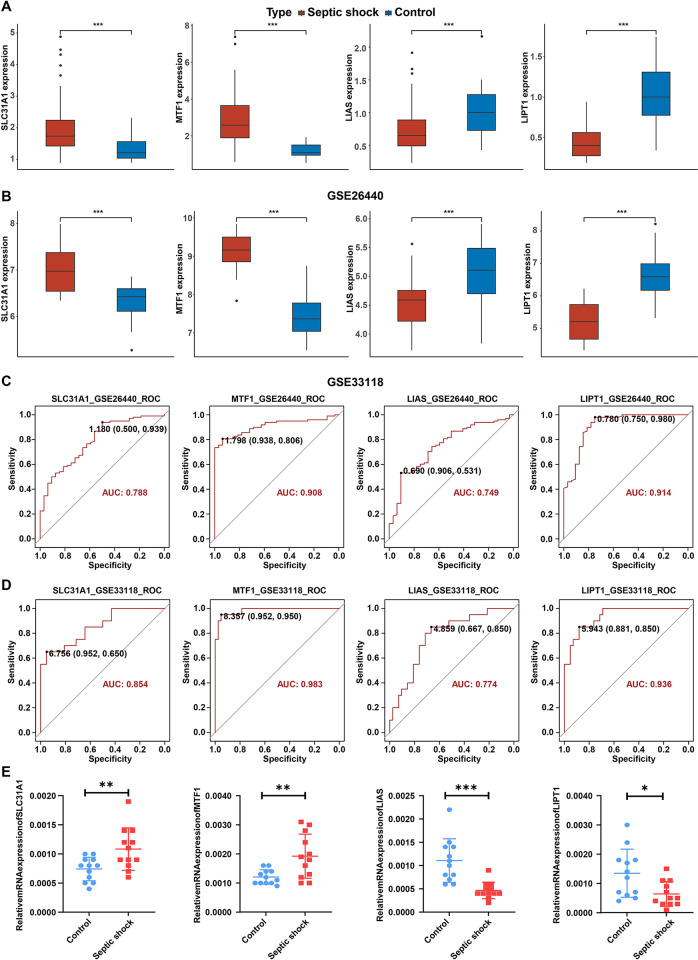
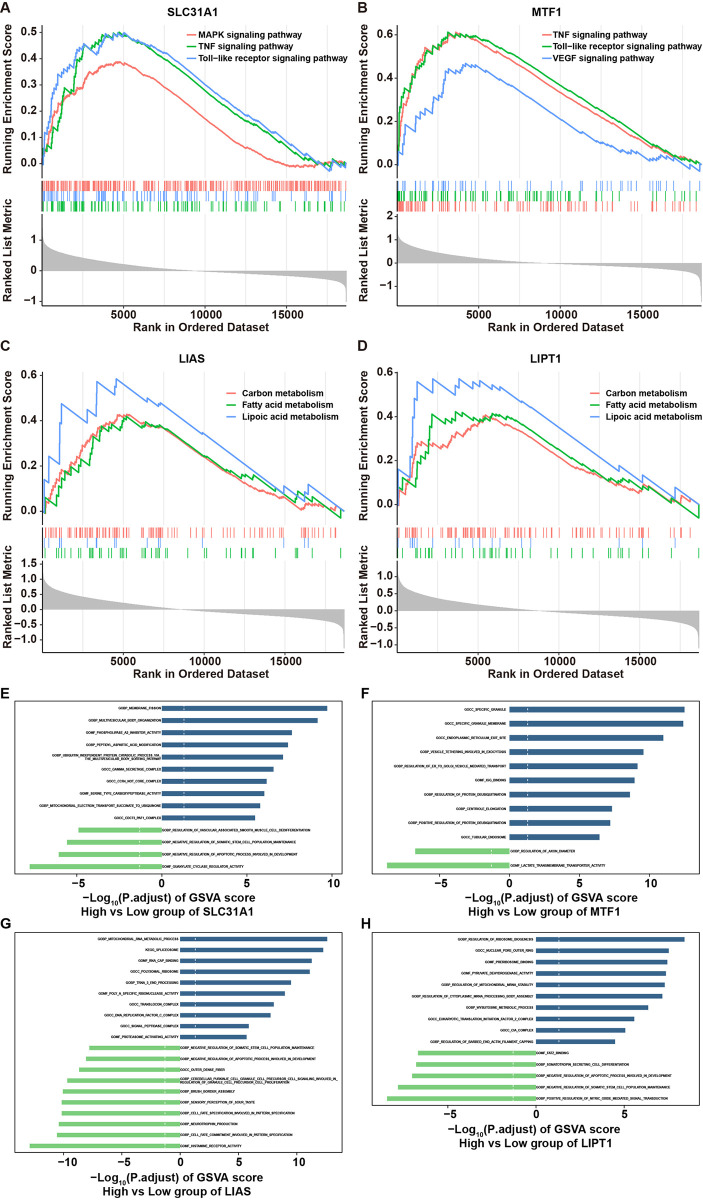
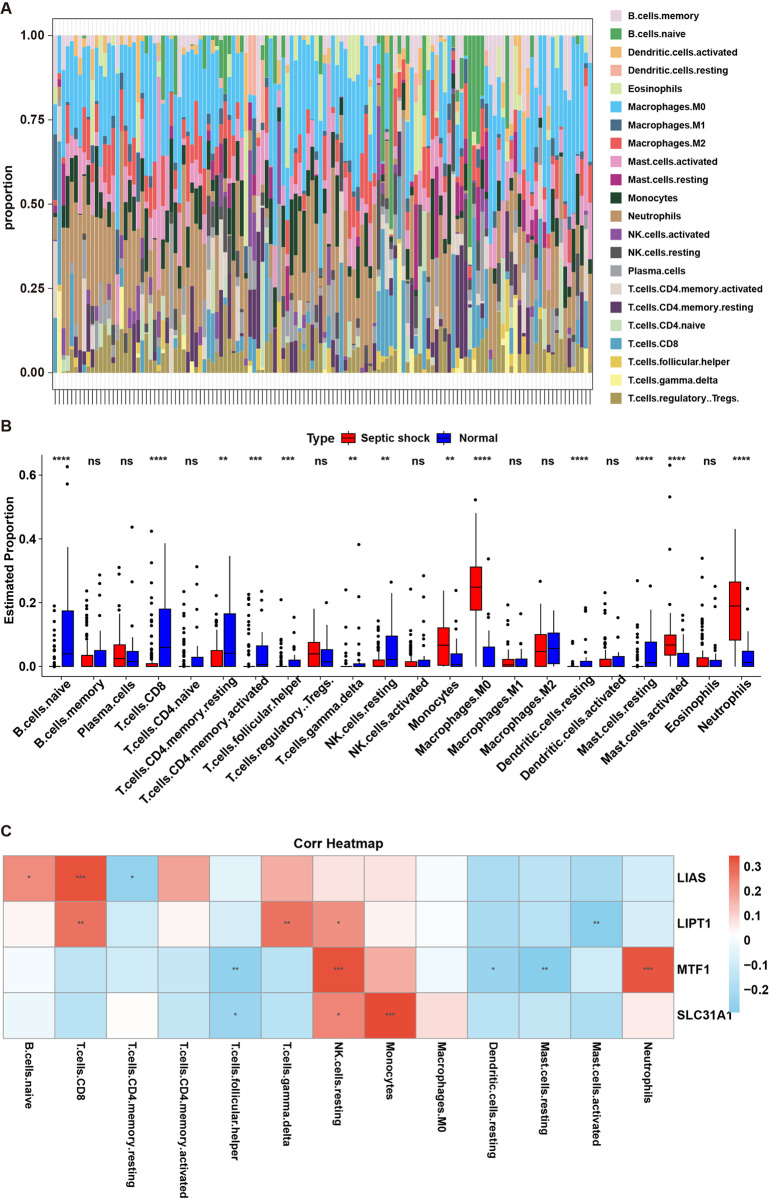
Results: SLC31A1 and MTF1 levels were obviously elevated and LIAS and LIPT1 levels were downregulated in septic shock samples, compared to normal controls. The diagnostic values of the four genes were confirmed with receiver operating characteristic (ROC) curves. Additionally, SLC31A1 and MTF1 showed a positive correlation with natural killer cells and LIAS and LIPT1 exhibited a positive correlation with CD8+ T cells. Furthermore, compared to low-level groups, MAPK signaling was activated in the high-SLC31A1 level group, VEGF signaling was activated in the high-MTF1 level group and lipoic acid metabolism was activated in high-LIAS and high-LIPT1 level groups.
Conclusion: This study demonstrates that SLC31A1, MTF1, LIAS, and LIPT1 are dysregulated in septic shock samples, and these genes exhibit potential diagnostic efficacy in septic shock, suggesting that these genes may be potential biomarkers for the diagnosis of septic shock.
Copyright: © 2024 Zhao et al. This is an open access article distributed under the terms of the Creative Commons Attribution License, which permits unrestricted use, distribution, and reproduction in any medium, provided the original author and source are credited.
Conflict of interest statement
The authors have declared that no competing interests exist.
Figures
References
MeSH terms
Substances
LinkOut - more resources
Full Text Sources
Research Materials
