


Biomechanical analysis of limits of stability using computerized posturography: correlations with functional mobility in elderly individuals with hip osteoarthritis - a cross-sectional study
- PMID: 39654827
- PMCID: PMC11625571
- DOI: 10.3389/fbioe.2024.1440393
Biomechanical analysis of limits of stability using computerized posturography: correlations with functional mobility in elderly individuals with hip osteoarthritis - a cross-sectional study
Abstract
Background: Hip osteoarthritis (OA) is a degenerative joint disease that predominantly affects the elderly, causing significant morbidity due to joint pain, stiffness, and loss of function. This study aimed to assess the limits of stability (LOS) using computerized posturography and evaluate the correlations with functional mobility in elderly individuals with hip OA.
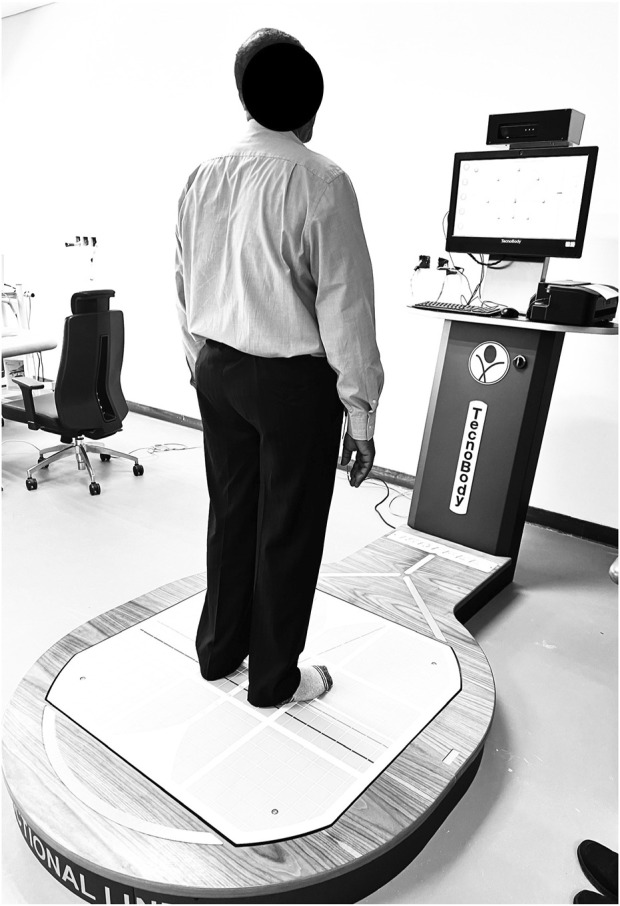
Methods: This cross-sectional study included elderly individuals aged 65 years and above with a clinical diagnosis of hip OA and age-matched asymptomatic controls. The LOS was measured using a computerized dynamic posturography system, which quantified the maximum distance and angle participants could shift their center of gravity without losing balance. Functional mobility was assessed using the Timed Up and Go (TUG) test, which measures the time taken for participants to stand up, walk 3 m, turn around, walk back, and sit down.
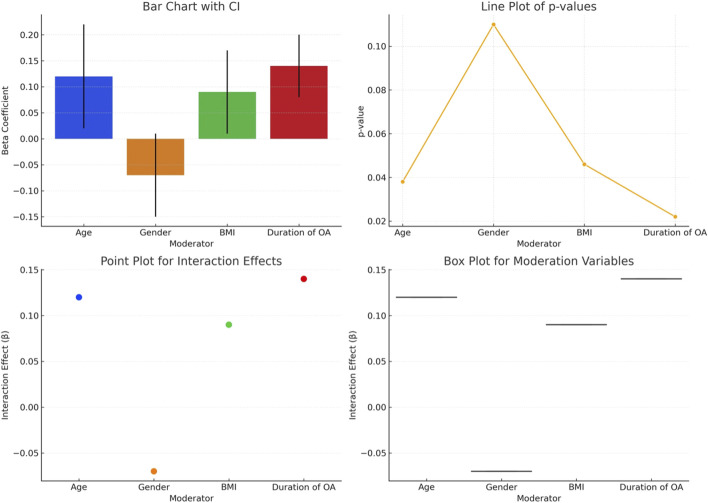
Results: The study included 86 elderly individuals with hip OA and 86 age-matched asymptomatic controls. LOS assessments showed that individuals with hip OA had significantly lower stability scores across all directions compared to controls (p < 0.001). TUG test times were significantly slower for the OA group (10.50 ± 2.20 s) compared to controls (8.70 ± 2.00 s, p < 0.001). Positive correlations were found between LOS and functional mobility (r = 0.50, p = 0.009). Moderation analysis revealed that age and duration of OA significantly influenced the relationship between stability and mobility.
Conclusion: Hip OA significantly impacts stability and functional mobility in elderly individuals. Enhanced stability is associated with improved mobility, and demographic and clinical variables such as age and duration of OA play crucial roles in these relationships. These findings underscore the importance of targeted therapeutic interventions to improve stability and mobility in this population.
Keywords: elderly; functional mobility; hip osteoarthritis; limits of stability; posturography.
Copyright © 2024 Alahmari and Reddy.
Conflict of interest statement
The authors declare that the research was conducted in the absence of any commercial or financial relationships that could be construed as a potential conflict of interest.
Figures

References
-
- Alkhamis B. A., Reddy R. S., Alahmari K. A., Alshahrani M. S., Koura G. M., Ali O. I., et al. (2024). Balancing act: unraveling the link between muscle strength, proprioception, and stability in unilateral hip osteoarthritis. Plos one 19 (2), e0298625. 10.1371/journal.pone.0298625 - DOI - PMC - PubMed
-
- Al-Mahrouqi M. M., Vicenzino B., MacDonald D. A., Smith M. D. (2020). Disability, physical impairments, and poor quality of life, rather than radiographic changes, are related to symptoms in individuals with ankle osteoarthritis: a cross-sectional laboratory study. J. Orthop. and Sports Phys. Ther. 50 (12), 711–722. 10.2519/jospt.2020.9376 - DOI - PubMed
LinkOut - more resources
Full Text Sources
