


Perceived and endocrine acute and chronic stress indicators in fibromyalgia syndrome
- PMID: 39681564
- PMCID: PMC11649902
- DOI: 10.1038/s41598-024-76635-z
Perceived and endocrine acute and chronic stress indicators in fibromyalgia syndrome
Abstract
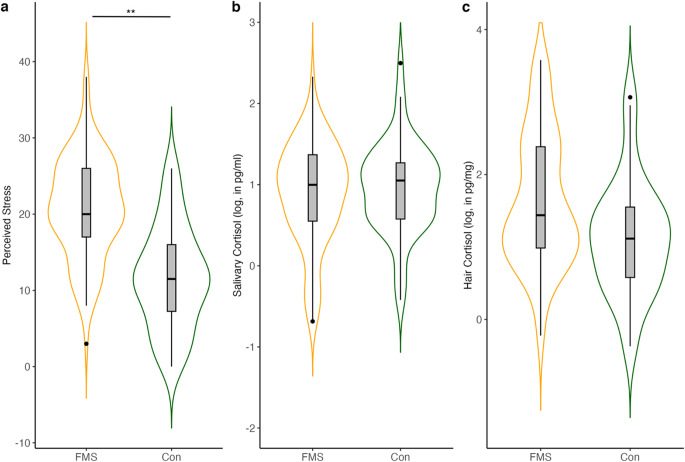
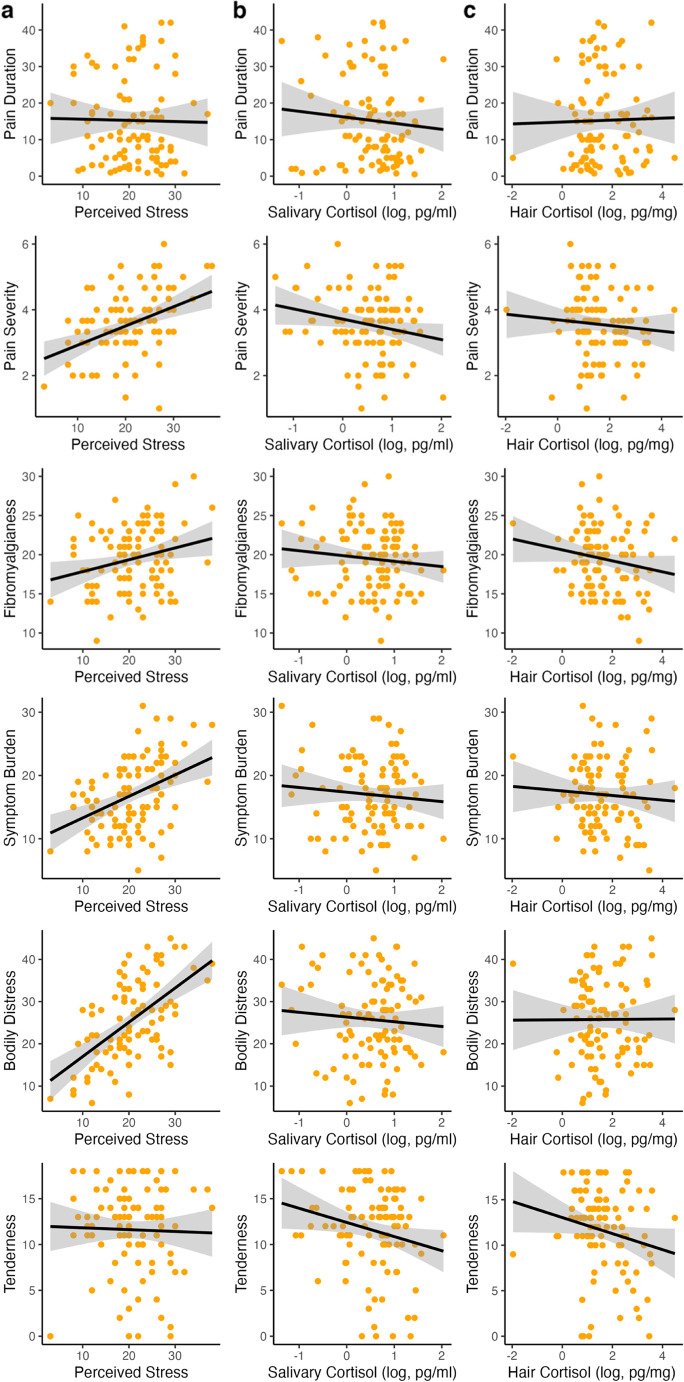
Fibromyalgia syndrome (FMS) is a chronic disorder characterized by widespread musculoskeletal pain, fatigue and tenderness and closely associated with high levels of stress. FMS is therefore often considered a stress-related disease. A comparative study was conducted with 99 individuals diagnosed with FMS and a control group of 50 pain-free individuals. Stress indicators were classified into three categories: perceived stress assessed using the Perceived Stress Scale, and daily average salivary cortisol and hair cortisol concentrations as indicators of acute and chronic stress levels related to the hypothalamic-pituitary-adrenal axis. Analysis of variance and covariance were used to identify group differences and the influence of covariates age, sex, and body mass index. Correlational analyses further elucidated the relationship between stress indicators and clinical symptoms. Participants with FMS reported significantly higher perceived stress levels than controls (p < .001, ηp2 = 0.3), which were positively correlated with symptom burden (r = .41, p < .001). In contrast, there were no significant differences in the endocrinological stress indicators salivary and hair cortisol between the groups (p > .05), nor were these indicators associated with clinical symptoms. The study highlights the central role of perceived stress in FMS, whereas endocrinological indicators did not differentiate FMS from controls. This finding calls for a nuanced approach to clinical assessment and therapeutic interventions tailored to patients with FMS, emphasizing the management of perceived stressors.
Keywords: Endocrine stress indicators; Fibromyalgia Syndrome; Perceived stress.
© 2024. The Author(s).
Conflict of interest statement
Declarations. Competing interests: The authors declare no competing interests.
Figures
References
MeSH terms
Substances
LinkOut - more resources
Full Text Sources
Medical
Miscellaneous
