


Machine learning for predicting post-operative outcomes in meningiomas: a systematic review and meta-analysis
- PMID: 39688716
- PMCID: PMC11652405
- DOI: 10.1007/s00701-024-06344-z
Machine learning for predicting post-operative outcomes in meningiomas: a systematic review and meta-analysis
Abstract
Purpose: Meningiomas are the most common primary brain tumour and account for over one-third of cases. Traditionally, estimations of morbidity and mortality following surgical resection have depended on subjective assessments of various factors, including tumour volume, location, WHO grade, extent of resection (Simpson grade) and pre-existing co-morbidities, an approach fraught with subjective variability. This systematic review and meta-analysis seeks to evaluate the efficacy with which machine learning (ML) algorithms predict post-operative outcomes in meningioma patients.
Methods: A literature search was conducted in December 2023 by two independent reviewers through PubMed, DARE, Cochrane Library and SCOPUS electronic databases. Random-effects meta-analysis was conducted.
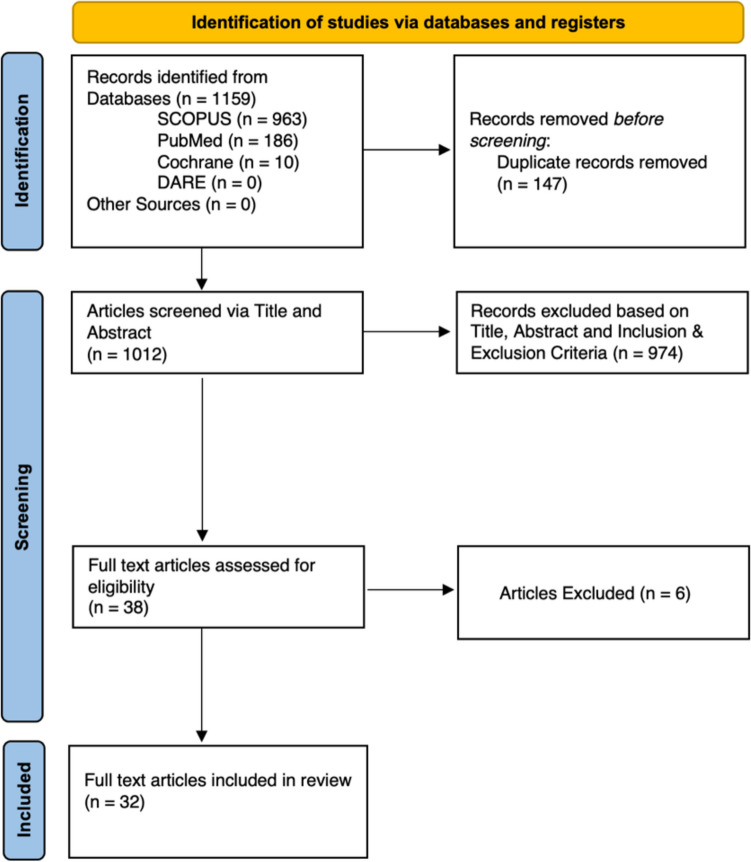
Results: Systematic searches yielded 32 studies, comprising 142,459 patients and 139,043 meningiomas. Random-effects meta-analysis sought to generate restricted maximum-likelihood estimates for the accuracy of alternate ML algorithms in predicting several postoperative outcomes. ML models incorporating both clinical and radiomic data significantly outperformed models utilizing either data type alone as well as traditional methods. Pooled estimates for the AUCs achieved by different ML algorithms ranged from 0.74-0.81 in the prediction of overall survival and progression-/recurrence-free survival, with ensemble classifiers demonstrating particular promise for future clinical application. Additionally, current ML models may exhibit a bias in predictive accuracy towards female patients, presumably due to the higher prevalence of meningiomas in females.
Conclusion: This review underscores the potential of ML to improve the accuracy of prognoses for meningioma patients and provides insight into which model classes offer the greatest potential for predicting survival outcomes. However, future research will have to directly compare standardized ML methodologies to traditional approaches in large-scale, prospective studies, before their clinical utility can be confidently validated.
Keywords: Machine learning; Meningioma; Postoperative outcomes; Predictive accuracy; Survival prognosis.
© 2024. The Author(s).
Conflict of interest statement
Declarations. Ethical approval: No ethical approval was sought for this review. Competing interests: The authors declare no competing interests.
Figures


References
Publication types
MeSH terms
LinkOut - more resources
Full Text Sources
