


Perception of Internalized Stigma in Parents of Children With Autism Spectrum Disorder: Investigating the Effects of Depression, Anxiety, and Family Functioning
- PMID: 39691129
- PMCID: PMC11651642
- DOI: 10.7759/cureus.73860
Perception of Internalized Stigma in Parents of Children With Autism Spectrum Disorder: Investigating the Effects of Depression, Anxiety, and Family Functioning
Abstract
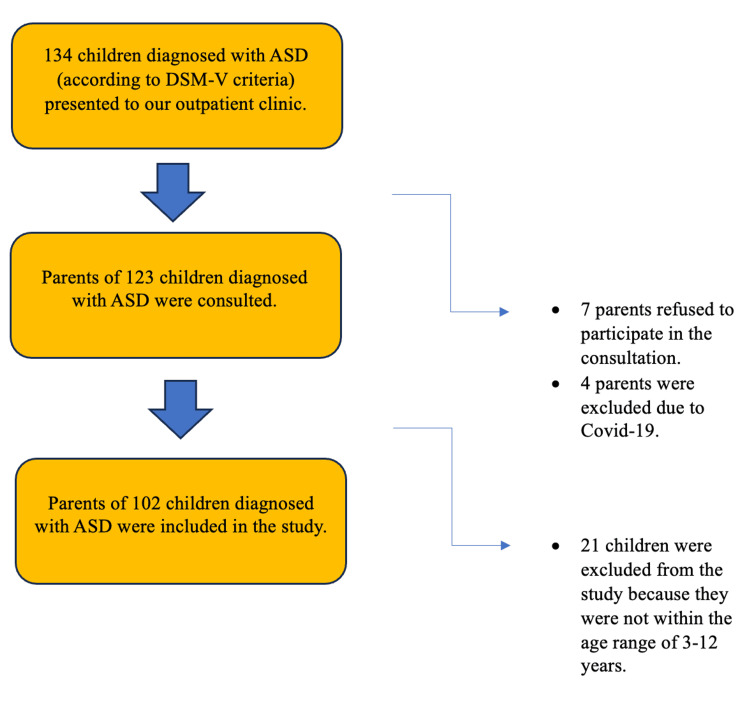
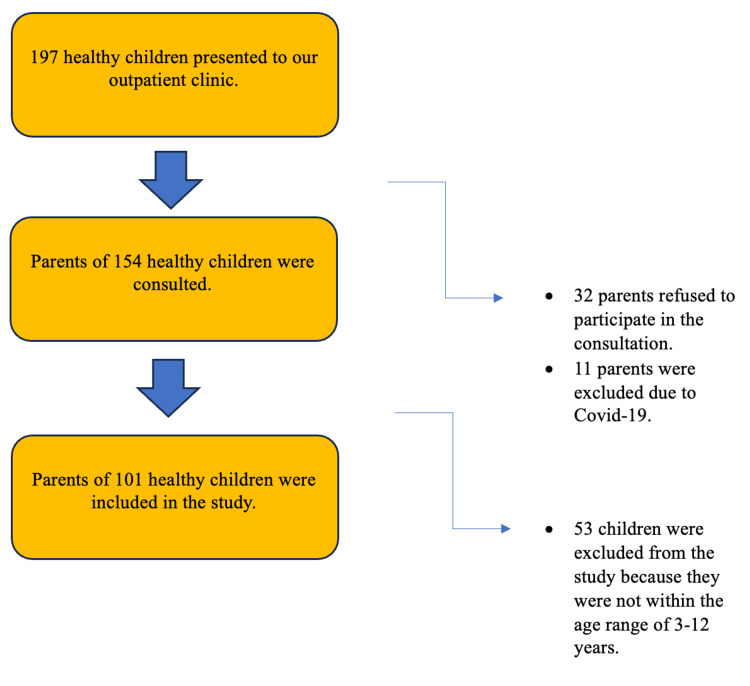
Introduction Autism spectrum disorder (ASD) is a pervasive neurodevelopmental disorder that impacts communication, behavior, and social interaction. It is well-documented that parents of children with ASD often experience psychiatric conditions like anxiety and depression. Nevertheless, research on the perception of internalized stigma, family functioning, and their interconnections is scarce. The main objective of our study was to analyze the internalized stigma perceptions, depression, anxiety, and family functioning among parents or caregivers of children diagnosed with ASD. Methods This study was conducted on 102 cases and 101 healthy controls in a cross-sectional case-control study involving patients aged 3-12 years. The research was carried out at the Child Psychiatry Clinic of Adana City Training and Research Hospital and three Family Health Centers in Adana from October 15 to December 15, 2022. Sociodemographic data, family history, families' knowledge levels about autism, and information about their social lives were collected using a face-to-face structured questionnaire. The Internalized Stigma of Mental Illness (ISMI), Hospital Anxiety and Depression (HAD), and Family APGAR scales were administered. Results The mean ISMI score of the case group was 67.31±8.91. According to the HAD Anxiety scale score, 60.8% of the case group and 14.9% of the control group were at high risk (p<0.001). According to the HAD Depression Scale, 52% of the case group participants and 25.7% of the control group were at high risk (p<0.001). The rate of severe familial dysfunction was 18.6% in the case group and 3.0% in the control group (p<0.001). Conclusion Stigma, anxiety, depression, and family functioning in parents of children diagnosed with ASD lead to various adverse outcomes. Further studies are necessary to prevent these negative experiences for families of children with ASD and to facilitate the integration of these children into society.
Keywords: anxiety; autism spectrum disorder (asd); depression; family med; stigma.
Copyright © 2024, Efe et al.
Conflict of interest statement
Human subjects: Consent for treatment and open access publication was obtained or waived by all participants in this study. The Ethics Committee of Adana City Training and Research Hospital issued approval 2022/2174. Animal subjects: All authors have confirmed that this study did not involve animal subjects or tissue. Conflicts of interest: In compliance with the ICMJE uniform disclosure form, all authors declare the following: Payment/services info: All authors have declared that no financial support was received from any organization for the submitted work. Financial relationships: All authors have declared that they have no financial relationships at present or within the previous three years with any organizations that might have an interest in the submitted work. Other relationships: All authors have declared that there are no other relationships or activities that could appear to have influenced the submitted work.
Figures
References
-
- Prevalence of autism spectrum disorder (ASD) in Sivas Provincial Center and ASD awareness of health workers in family health centers. GÖLBAŞI H, Demirel Y, Karaca SN, Çiçek AU, SARI SA. Çukurova Med J. 2021;46:998–1008.
-
- Autism spectrum disorder: primary care principles. Sanchack KE, Thomas CA. https://pubmed.ncbi.nlm.nih.gov/28075089/ Am Fam Physician. 2016;94:972–979. - PubMed
LinkOut - more resources
Full Text Sources