Clinical and Paraclinical Characterizations, Management, and Prognosis in DPPX Antibody-Associated Encephalitis: A Systematic Review
- PMID: 39693598
- PMCID: PMC11658814
- DOI: 10.1212/NXI.0000000000200350
Clinical and Paraclinical Characterizations, Management, and Prognosis in DPPX Antibody-Associated Encephalitis: A Systematic Review
Abstract
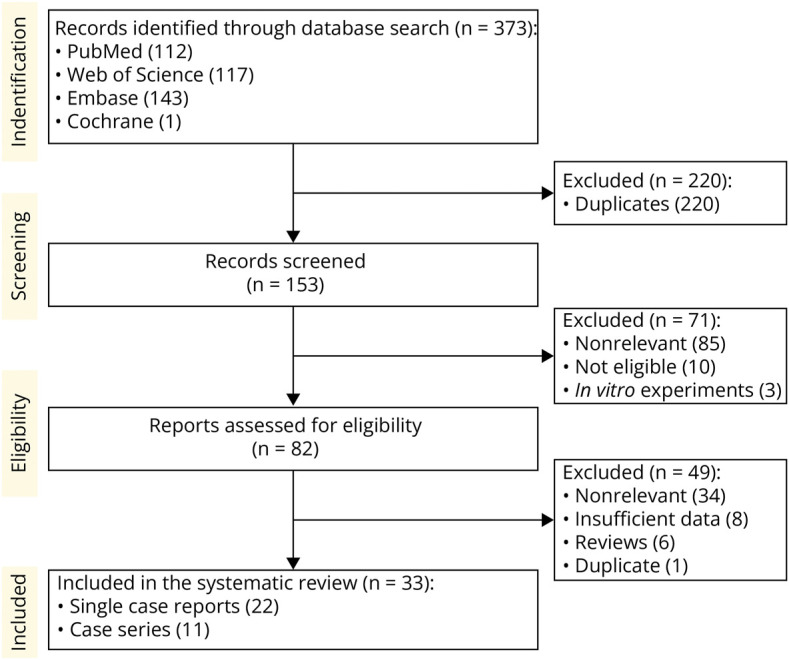
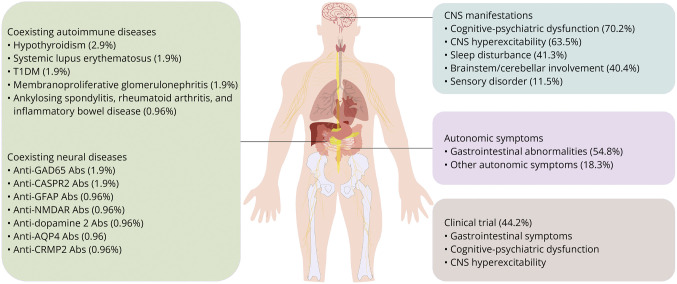
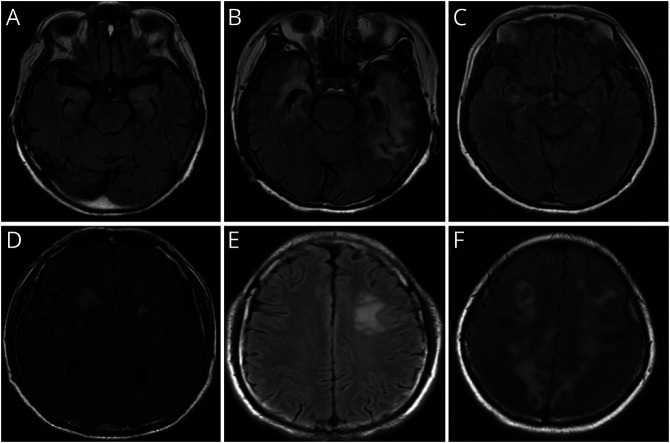
In dipeptidyl-peptidase-like protein 6 (DPPX) antibody-associated encephalitis, DPPX antibodies from serum and CSF target the extracellular subunit of the voltage-gated potassium channel 4.2. This targeting leads to a characteristic clinical triad comprising gastrointestinal symptoms (predominantly diarrhea), cognitive-psychiatric dysfunction, and manifestations of CNS hyperexcitability, with hyperekplexia being a more specific feature. This rare disease typically presents with a subacute or chronic course and often affects middle-aged and older individuals. Patients may have a weak association with certain hematologic malignancies, particularly lymphoma and chronic lymphocytic leukemia. Brain MRI typically shows normal findings or nonspecific white matter changes. DPPX antibody-associated encephalitis responds well to immunotherapy, and most patients ultimately present with a good prognosis. However, relapses can occur. To improve our understanding of this rare but treatable autoimmune encephalitis and avoid misdiagnosis, we conduct a systematic review and summarize the current knowledge of its clinical and paraclinical features, management, and prognosis.
Conflict of interest statement
The authors report no relevant disclosures. Go to
Figures
References
Publication types
MeSH terms
Substances
LinkOut - more resources
Full Text Sources
Medical