


Foods, dietary patterns, and risk of vascular dementia: a systematic review
- PMID: 39695757
- PMCID: PMC11654005
- DOI: 10.1186/s12986-024-00880-2
Foods, dietary patterns, and risk of vascular dementia: a systematic review
Abstract
Background: Vascular dementia (VaD) is the second most common cause of dementia globally and is associated with a significant economic and social burden. Diet could represent an important tractable risk factor for VaD. We synthesised current evidence on associations between consumption of specific foods or dietary patterns and VaD risk.
Methods: Five databases were searched from inception to January 2024 for prospective cohort studies exploring associations between individual foods or dietary patterns and incident VaD.
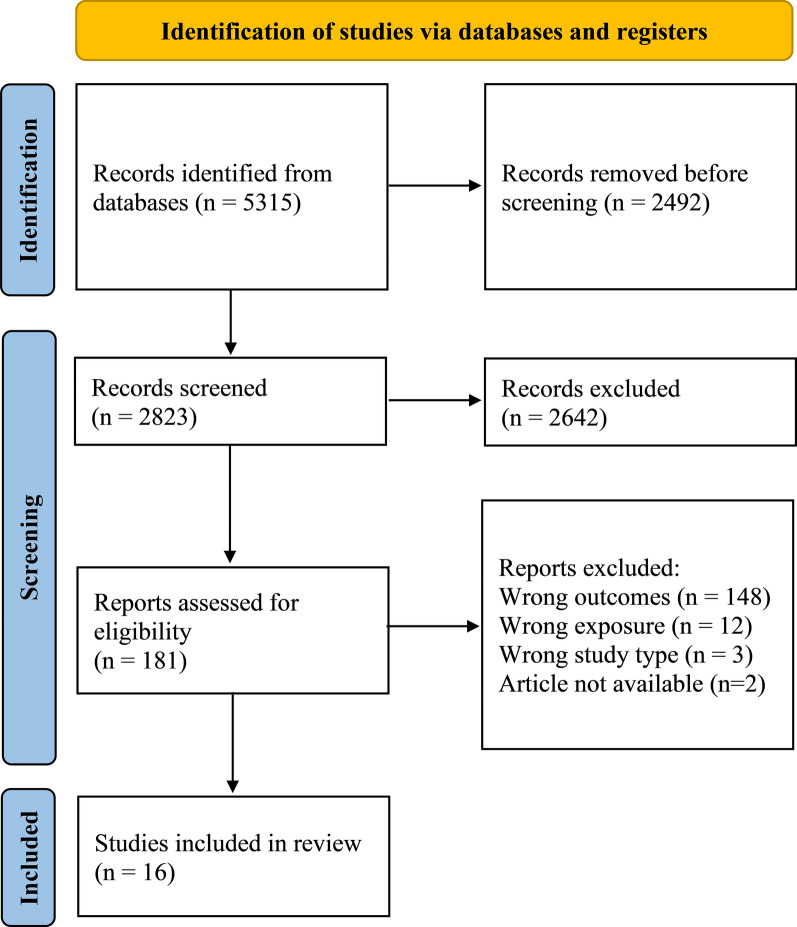
Results: Sixteen studies were included. Compared with low intake reference groups, higher fruit and vegetable intake, moderate alcoholic drink intake (1-3 drinks/day), higher tea and coffee intake, and following a plant-based dietary pattern were associated with lower VaD risk. Conversely, moderate fried fish intake (0.25-2 servings/week), higher ultra-processed food intake (especially intake of sweetened beverages) and higher processed meat intake (≥ 2 servings/week) were associated with increased VaD risk. Inconsistent findings were observed for other dietary exposures.
Discussion: A healthy diet could lower VaD risk. However, evidence is characterised by a limited number of studies for specific dietary exposures. Further research is needed to inform personalised and population-based approaches to lower VaD risk.
Keywords: Dietary patterns; Food; Nutrition; Vascular cognitive impairment; Vascular dementia.
© 2024. The Author(s).
Conflict of interest statement
Declarations. Competing interests: ET’s salary is supported by an NIHR Clinical Lectureship. SG has received research funding to her institution from the Royal Society of Edinburgh, Scottish Neurological Research Fund and Alzheimer’s Association, alongside an ISTAART Travel Fellowship. SG has also received consulting fees from Scottish Brain Sciences and is a part time employee of Scottish Brain Sciences. SG is vice chair of an NHS research ethics committee, and her salary was funded during part of this project by a grant from the UK Medical Research Council. OMS has received research funding to his institution from the Fruit Juice Science Centre. All other authors declare no conflict of interest.
Figures
References
-
- Vascular G-R, Impairment C. Vascular cognitive impairment. Contin Lifelong Learn Neurol. 2019;25:147–64. - DOI
-
- Dementia: a public health priority. https://www.who.int/publications-detail-redirect/dementia-a-public-healt.... Accessed 18 May 2024.
Publication types
LinkOut - more resources
Full Text Sources
