


Prevalence of HPV in anal cancer: exploring the role of infection and inflammation
- PMID: 39696546
- PMCID: PMC11654204
- DOI: 10.1186/s13027-024-00624-0
Prevalence of HPV in anal cancer: exploring the role of infection and inflammation
Abstract
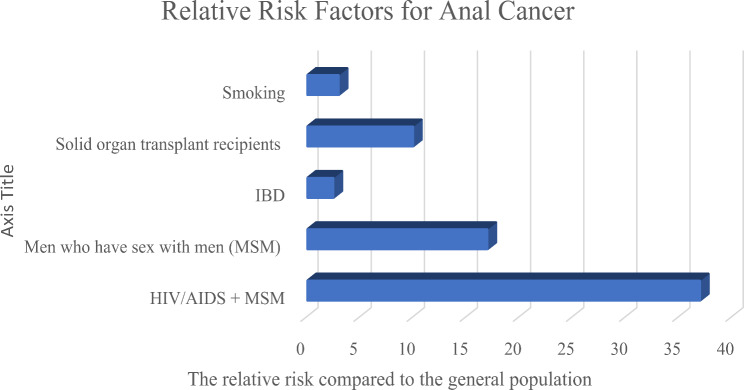
Anal cancer incidence is rising globally, driven primarily by human papillomavirus (HPV) infection. HPV, especially high-risk types 16 and 18, is considered a necessary cause of anal squamous cell carcinoma. Certain populations like people living with HIV, men who have sex with men, inflammatory bowel disease patients, smokers, and those with compromised immunity face elevated risk. Chronic inflammation facilitates viral persistence, cell transformation, and immune evasion through pathways involving the PD-1/PD-L1 axis. HIV coinfection further increases risk by impairing immune surveillance and epithelial integrity while promoting HPV oncogene expression. Understanding these inflammatory processes, including roles of CD8 + T cells and PD-1/PD-L1, could guide development of immunotherapies against anal cancer. This review summarizes current knowledge on inflammation's role in anal cancer pathogenesis and the interplay between HPV, HIV, and host immune factors.
Keywords: Anal cancer; HIV; HPV; IBD; Inflammation; PD-L1.
© 2024. The Author(s).
Conflict of interest statement
Declarations. Ethics approval and consent to participate: Not applicable. Competing interests: The authors declare no competing interests.
References
-
- Siegel RL, Miller KD, Fuchs HE, Jemal A, Cancer statistics. 2022. CA: a cancer journal for clinicians. 2022;72(1). - PubMed
-
- Stier EA, Clarke MA, Deshmukh AA, Wentzensen N, Liu Y, Poynten IM, et al. International Anal Neoplasia Society’s consensus guidelines for anal cancer screening. Int J Cancer. 2024;154(10):1694–702. - PubMed
Publication types
LinkOut - more resources
Full Text Sources
Research Materials
