


Deep sedation in lateral position for preterm infants during cerebral magnetic resonance imaging: a pilot study
- PMID: 39696670
- PMCID: PMC11654365
- DOI: 10.1186/s44158-024-00216-9
Deep sedation in lateral position for preterm infants during cerebral magnetic resonance imaging: a pilot study
Abstract
Introduction: Respiratory adverse events are common during the sedation of preterm babies, often needing active airway support. During magnetic resonance imaging, this occurrence could extend the acquisition time, with a negative impact on the thermic and metabolic homeostasis. The aim of the study is to verify if lying in a lateral position instead of supine could improve the safe quality of sedation, without worsening the quality of imaging.
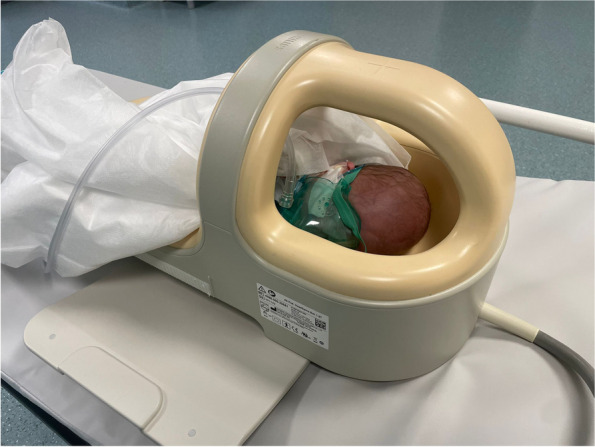
Methods: This study was performed as a single-center, prospective study at a university-affiliated tertiary care center. A consultant provided deep sedation with sevoflurane 3-4% delivered by an external mask, in the lateral decubitus position. All patients were evaluated for the incidence of apnea and desaturation, quality of imaging obtained, the timing of imaging acquisition, and thermic and metabolic homeostasis.
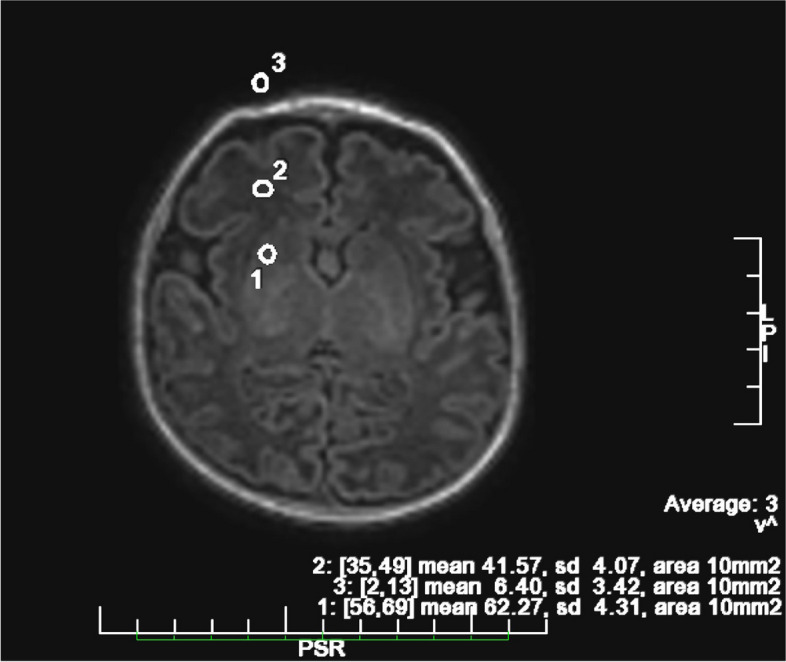
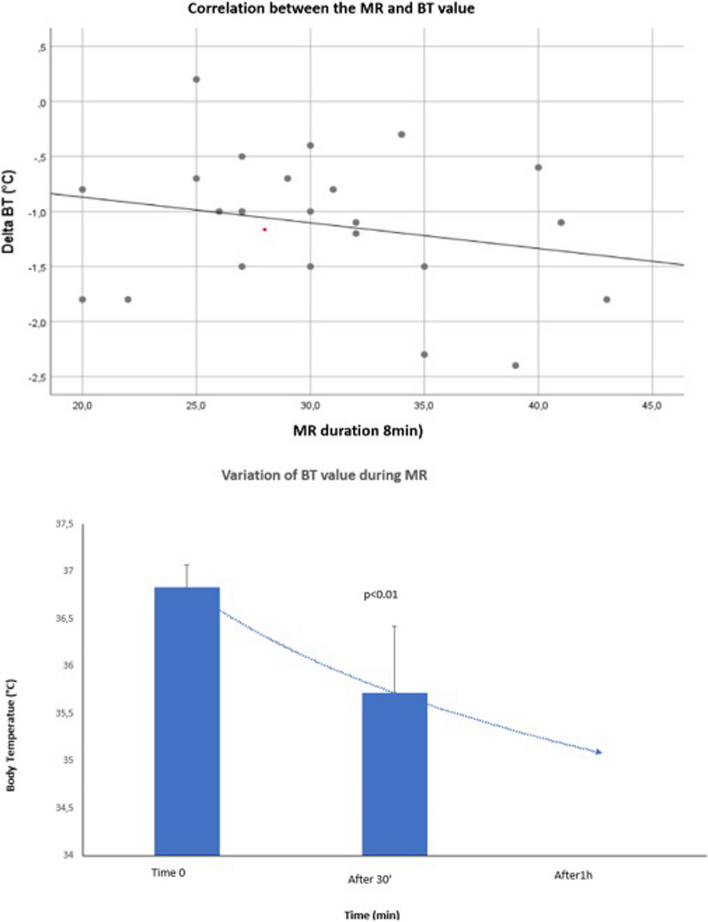
Results: We enrolled 23 consecutive preterm babies born < 37 weeks gestational age, candidates for sedation for elective brain magnetic resonance imaging. All patients completed the radiological procedure in 30 min (SD ± 6.39 min) without complications requiring exam interruption. Only one patient (4%) experienced a transient desaturation, while 2 neonates (9%) showed apnea lasting > 20 s. On average, there was a 1 °C decrease in body temperature and full enteral feeding was resumed within 1.5 h. Neuroradiologists rated the quality of the images obtained as high.
Conclusions: Lateral lying seems to be a viable option for sedated preterm babies during magnetic resonance imaging with a low risk of intervention for apnea and a reduced impact on thermic and metabolic homeostasis. Quality of imaging would be preserved maintaining correct scheduling of standard care.
Trial registration: The study was registered at www.
Clinicaltrials: gov before enrollment (NCT05776238 on December, 21th 2023).
Keywords: Body temperature; Infant; Magnetic resonance; Position; Premature; Sedation.
© 2024. The Author(s).
Conflict of interest statement
Declarations. Ethics approval and consent to participate: IRB Number 0005227/23 on February 16th, 2023, Comitato Etico UCSC Rome Italy. This research accomplishes all the international requirements for ethics in research. Parental consent was obtained prior to enrollment. Competing interests: The authors declare no competing interests.
Figures
References
-
- Cravero JP, Blike GT, Beach M et al (2006) Incidence and nature of adverse events during pediatric sedation/anesthesia for procedures outside the operating room: report from the Pediatric Sedation Research Consortium. Pediatrics 118(3):1087–1096 - PubMed
-
- Gomez F, Cabrera M, Sanabria P, Sanchez L, Lopez-Ortego P, Elorza MD (2019) Sevoflurane for short painful procedures in the neonatal intensive care unit. Am J Perinatol 36(4):377–382 - PubMed
-
- Cravero JP, Beach ML, Blike GT, Gallagher SM, Hertzog JH, Pediatric sedation research consortium (2009) The incidence and nature of adverse events during pediatric sedation/anesthesia with propofol for procedures outside the operating room: a report from the Pediatric Sedation Research Consortium. Anesth Analg. 108(3):795–804 - PubMed
Associated data
LinkOut - more resources
Full Text Sources
Medical