


CD2AP deficiency aggravates Alzheimer's disease phenotypes and pathology through p38 MAPK activation
- PMID: 39696695
- PMCID: PMC11657702
- DOI: 10.1186/s40035-024-00454-5
CD2AP deficiency aggravates Alzheimer's disease phenotypes and pathology through p38 MAPK activation
Erratum in
-
Correction: CD2AP deficiency aggravates Alzheimer's disease phenotypes and pathology through p38 MAPK activation.Transl Neurodegener. 2025 Jan 17;14(1):3. doi: 10.1186/s40035-024-00464-3. Transl Neurodegener. 2025. PMID: 39819697 Free PMC article. No abstract available.
Abstract
Background: Alzheimer's disease (AD) is the most common form of neurodegenerative disorder, which is characterized by a decline in cognitive abilities. Genome-wide association and clinicopathological studies have demonstrated that the CD2-associated protein (CD2AP) gene is one of the most important genetic risk factors for AD. However, the precise mechanisms by which CD2AP is linked to AD pathogenesis remain unclear.
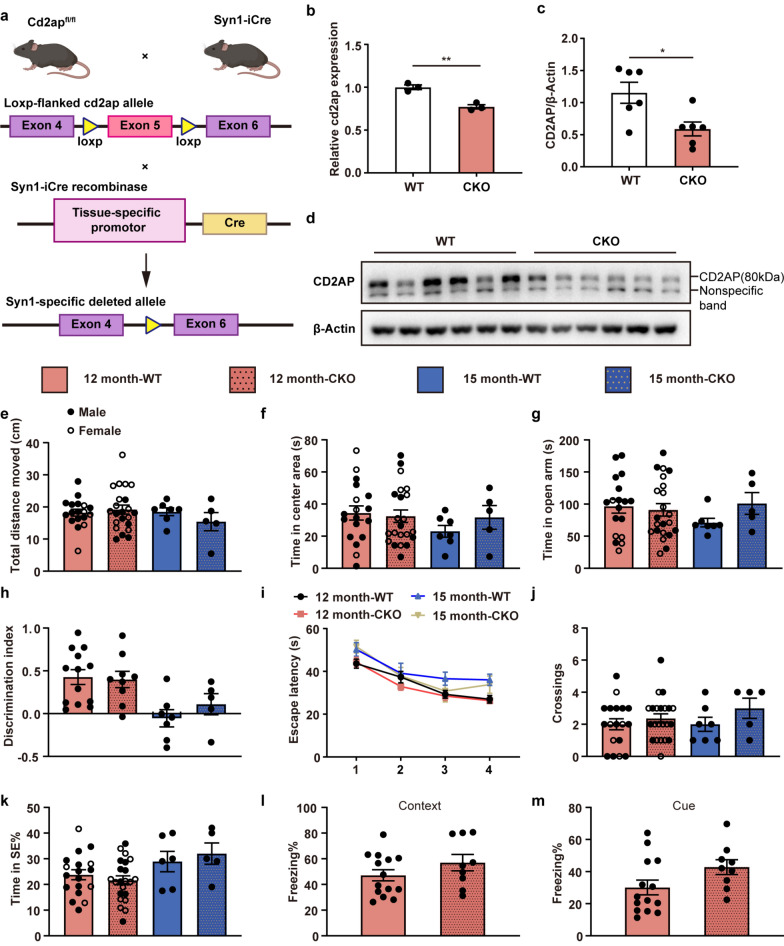
Methods: The spatiotemporal expression pattern of CD2AP was determined. Then, we generated and characterized an APP/PS1 mouse model with neuron-specific Cd2ap deletion, using immunoblotting, immunofluorescence, enzyme-linked immunosorbent assay, electrophysiology and behavioral tests. Additionally, we established a stable CD2AP-knockdown SH-SY5Y cell line to further elucidate the specific molecular mechanisms by which CD2AP contributes to AD pathogenesis. Finally, the APP/PS1 mice with neuron-specific Cd2ap deletion were treated with an inhibitor targeting the pathway identified above to further validate our findings.
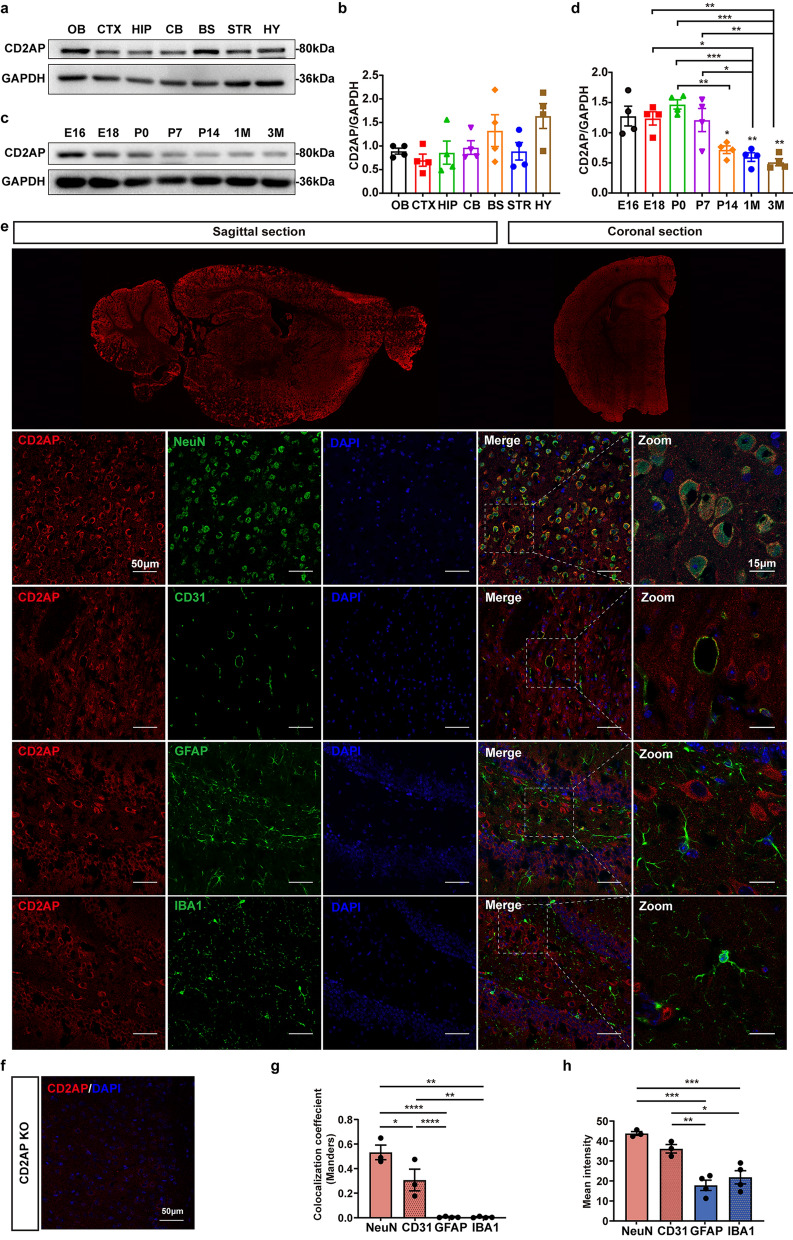
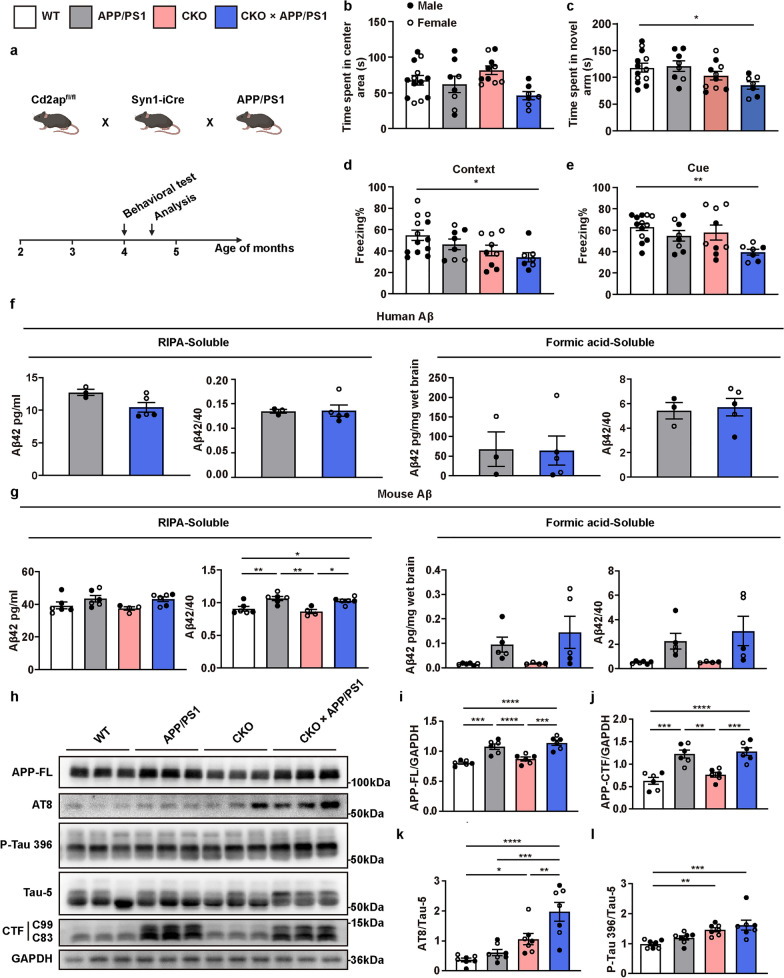
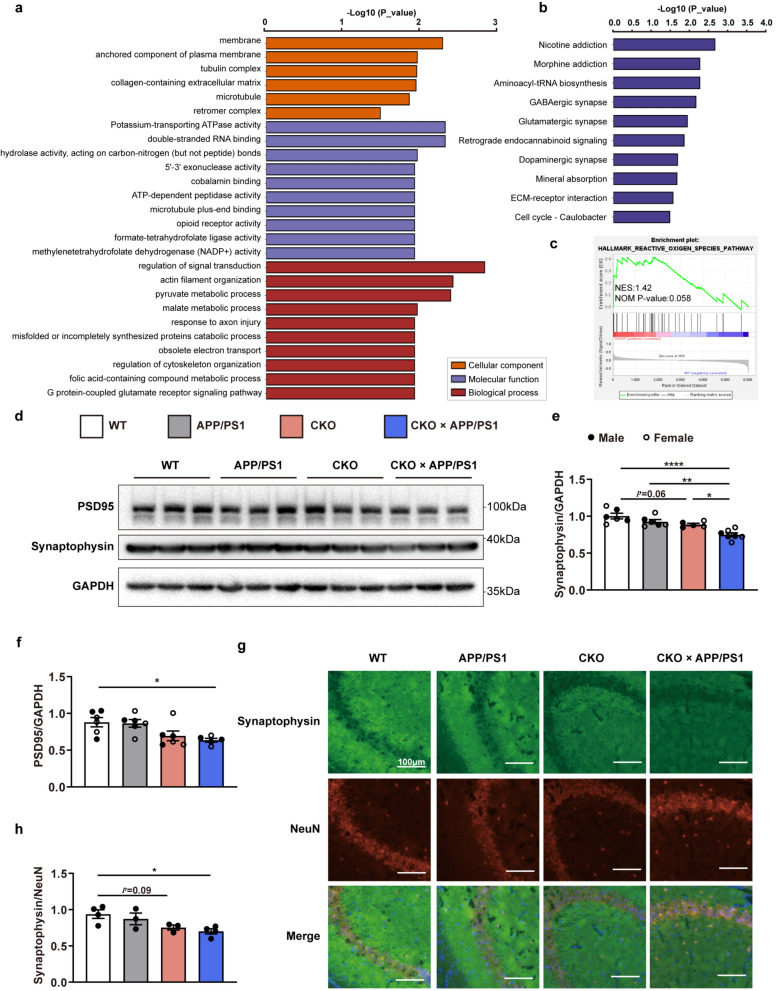
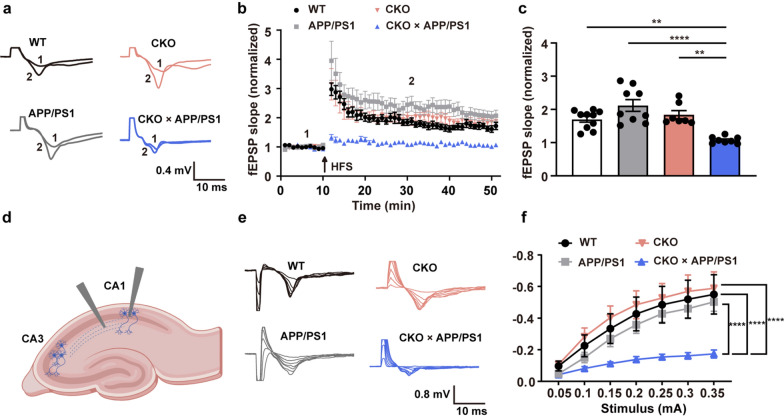
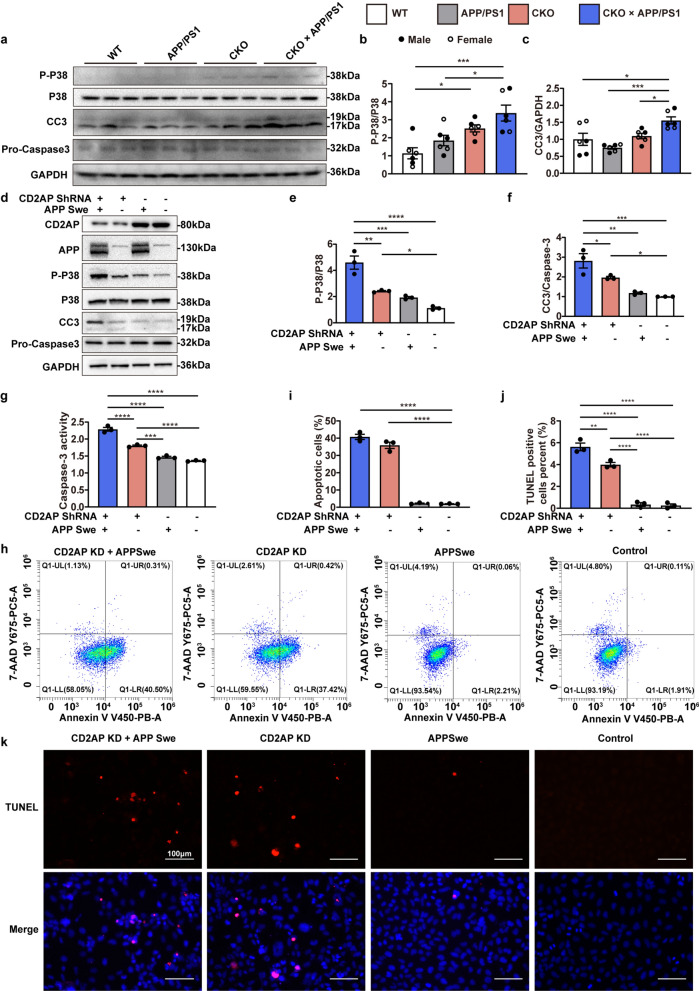
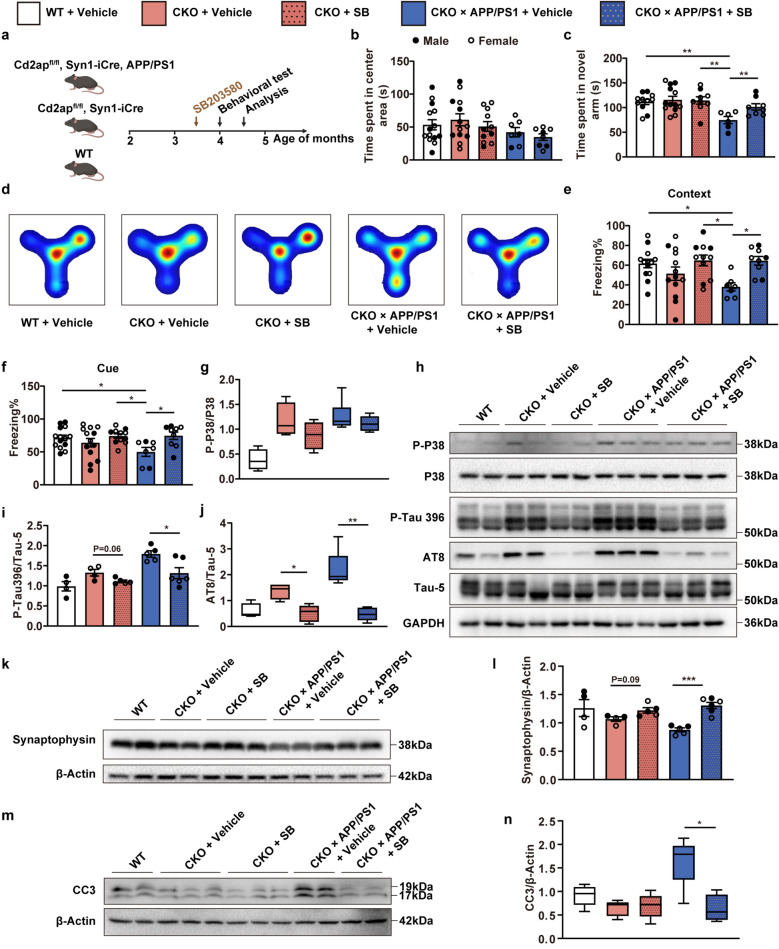
Results: CD2AP is widely expressed in various regions of the mouse brain, with predominant expression in neurons and vascular endothelial cells. In APP/PS1 mice, neuronal knockout of Cd2ap significantly aggravated tau pathology, synaptic impairments and cognitive deficits. Mechanistically, the knockout of Cd2ap activated p38 mitogen-activated protein kinase (MAPK) signaling, which contributed to increased tau phosphorylation, synaptic injury, neuronal apoptosis and cognitive impairment. Furthermore, the phenotypes of neuronal Cd2ap knockout were ameliorated by a p38 MAPK inhibitor.
Conclusion: Our study presents the first in vivo evidence that CD2AP deficiency exacerbates the phenotypes and pathology of AD through the p38 MAPK pathway, identifying CD2AP/p38 MAPK as promising therapeutic targets for AD.
Keywords: Alzheimer’s disease; CD2AP; P38 MAPK; Synaptic injury; Tau.
© 2024. The Author(s).
Conflict of interest statement
Declarations. Ethics approval and consent to participate: Animal experiments were approved by the Institute of Animal Care Committee of the Second Affiliated Hospital, Zhejiang University School of Medicine (No. 202036). Consent for publication: Not applicable. Competing interest: The authors declare no competing interests. Author disclosures are available in the supporting information.
Figures
References
Publication types
MeSH terms
Substances
Grants and funding
- 81970998/National Natural Science Foundation of China
- 2024SSYS0018/Key Research and Development Program of Zhejiang Province
- 2021ZD0201103/Science Innovation 2030-Brain Science and Brain-Inspired Intelligence Technology Major Projects
- 2021ZD0201803/Science Innovation 2030-Brain Science and Brain-Inspired Intelligence Technology Major Projects
LinkOut - more resources
Full Text Sources
Medical
Miscellaneous
