Postexercise downregulation of NUP155 in regulating non-small cell lung cancer progression via the PTEN/AKT signaling pathway
- PMID: 39697746
- PMCID: PMC11651763
- DOI: 10.21037/tcr-24-1619
Postexercise downregulation of NUP155 in regulating non-small cell lung cancer progression via the PTEN/AKT signaling pathway
Abstract
Background: Research interest into regulation of gene expression by physical activity and its effect on cancer prognosis has intensified. This study investigated the role of an exercise-related gene, NUP155, in the progression of non-small cell lung cancer (NSCLC) and its potential as therapy target.
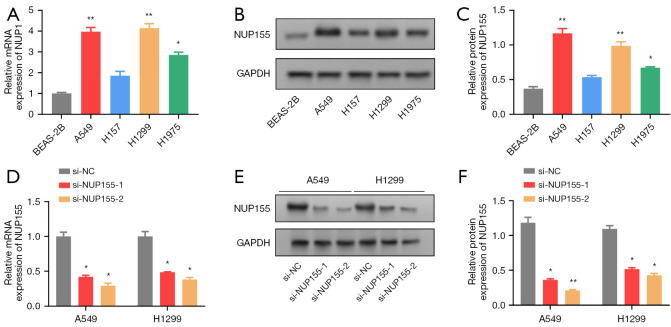
Methods: Using the GSE41914 dataset, which includes data related to exercise, and the Cancer Genome Atlas (TCGA)-NSCLC dataset, we identified differentially expressed genes (DEGs) and selected NUP155 as a hub gene for further analysis. NUP155 expression levels were measured in NSCLC cell lines and normal lung cells using in vitro assays. The functional roles of NUP155 were investigated through small interfering RNA (siRNA) knockdown experiments, assessing effects on migration, cell proliferation, invasion, and apoptosis. The involvement of the PTEN/AKT signaling pathway was examined using the PTEN inhibitor SF1670.
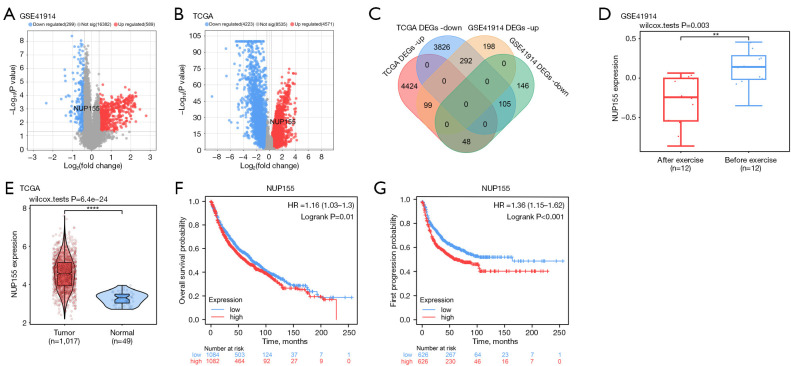
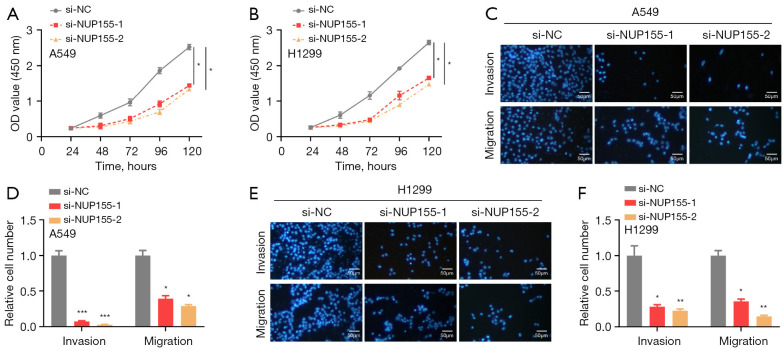
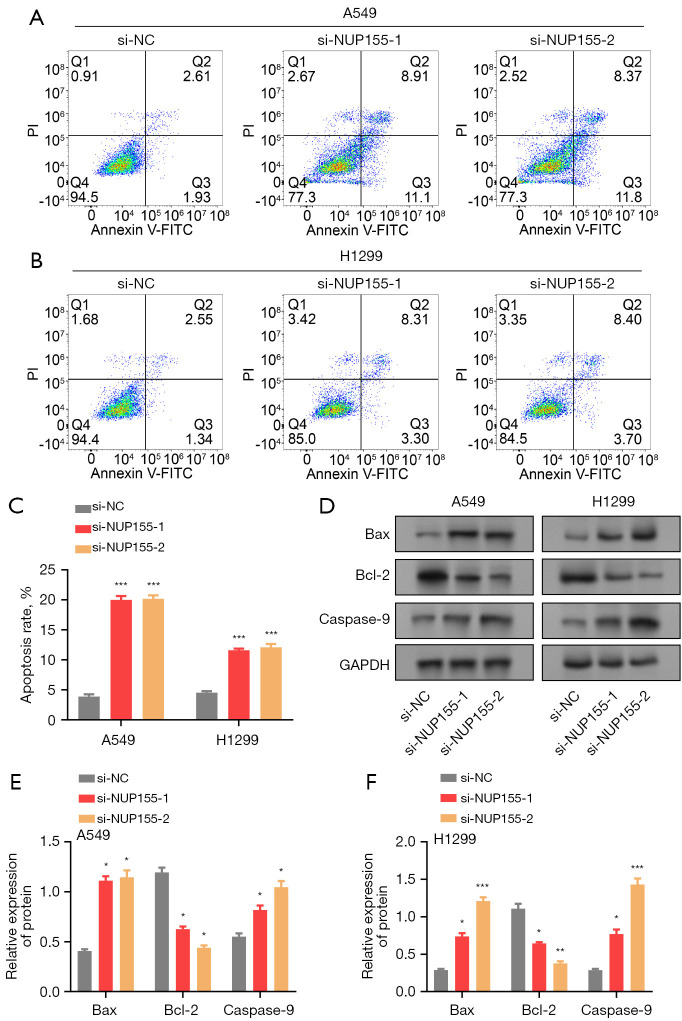
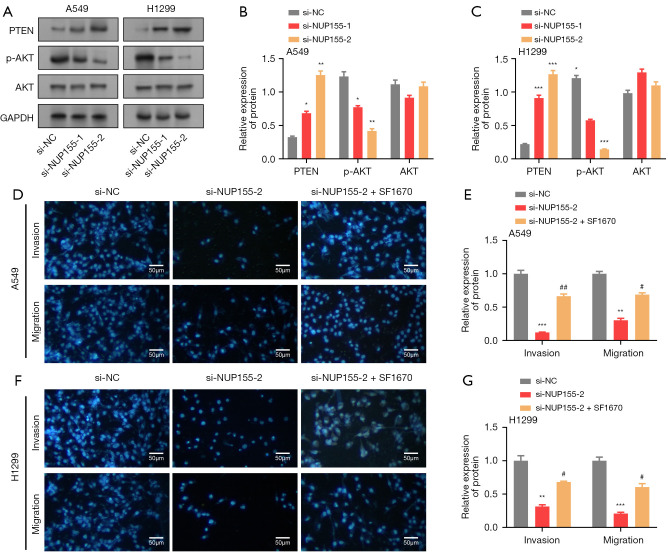
Results: NUP155 was downregulated in postexercise samples and upregulated in NSCLC samples, indicating its association with poor prognosis in NSCLC. Knockdown of NUP155 in NSCLC cell lines resulted in reduced cell viability, migration, and invasion, alongside increased apoptosis. Western blotting revealed that NUP155 knockdown upregulated PTEN levels and downregulated phosphorylated AKT (p-AKT), without altering total AKT levels. The addition of SF1670 partially reversed the effects of NUP155 knockdown, indicating the involvement of the signaling pathway PTEN/AKT in NUP155-mediated tumorigenesis.
Conclusions: NUP155 is upregulated in NSCLC, which promotes cell invasion and migration via the PTEN/AKT signaling pathway. Targeting NUP155, potentially influenced by exercise, could be a promising therapy. Combining exercise with targeted treatments may enhance patient outcomes.
Keywords: Exercise; NUP155; PTEN/AKT signaling pathway; non-small cell lung cancer (NSCLC); tumor progression.
2024 AME Publishing Company. All rights reserved.
Conflict of interest statement
Conflicts of Interest: All authors have completed the ICMJE uniform disclosure form (available at https://tcr.amegroups.com/article/view/10.21037/tcr-24-1619/coif). The authors have no conflicts of interest to declare.
Figures
References
-
- Muhas C, Kumar P, Raja D. Etiological factors for the development of lung cancer in non-smokers: an overview. Int J Pharm Pharm Sci 2019;11:10-6.
-
- Martinez VD, Sage AP, Marshall EA, et al. Oncogenetics of Lung Cancer induced by environmental carcinogens. In: Erkekoglu P, editor. Oncogenes and Carcinogenesis. IntechOpen; 2019.10.5772/intechopen.81064 - DOI
LinkOut - more resources
Full Text Sources
Research Materials
Miscellaneous