


Evaluating the Impact of Laundry Detergents on the Skin Microbiome of Atopic Dermatitis Patients-A Clinical Study
- PMID: 39698531
- PMCID: PMC11652385
- DOI: 10.1002/hsr2.70261
Evaluating the Impact of Laundry Detergents on the Skin Microbiome of Atopic Dermatitis Patients-A Clinical Study
Abstract
Background and aims: Remnants of laundry detergent ingredients are suspected to be in constant contact with the skin. Allergy sufferers need assurance that the chemicals in everyday products do not cause such disruption. The purpose of this study was to evaluate the effects and tolerability of common laundry detergents on the skin microbiome in individuals with atopic dermatitis.
Methods: Two laundry detergents for sensitive skin were tested on subjects with atopic dermatitis by having to wear detergent-washed socks for 7 days. The bacterial population from volunteers' skin swabs was determined and bacterial viability and biodiversity was evaluated before and after wearing the detergent-washed socks. The tolerability and effect on atopic dermatitis was also evaluated.
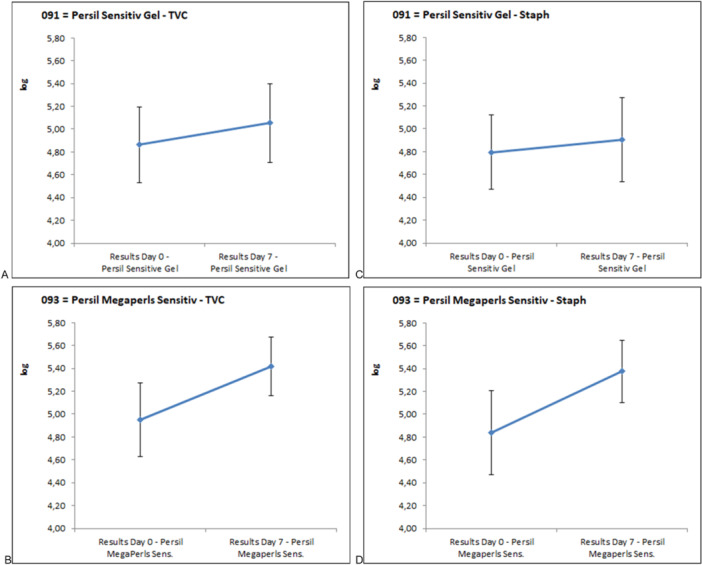
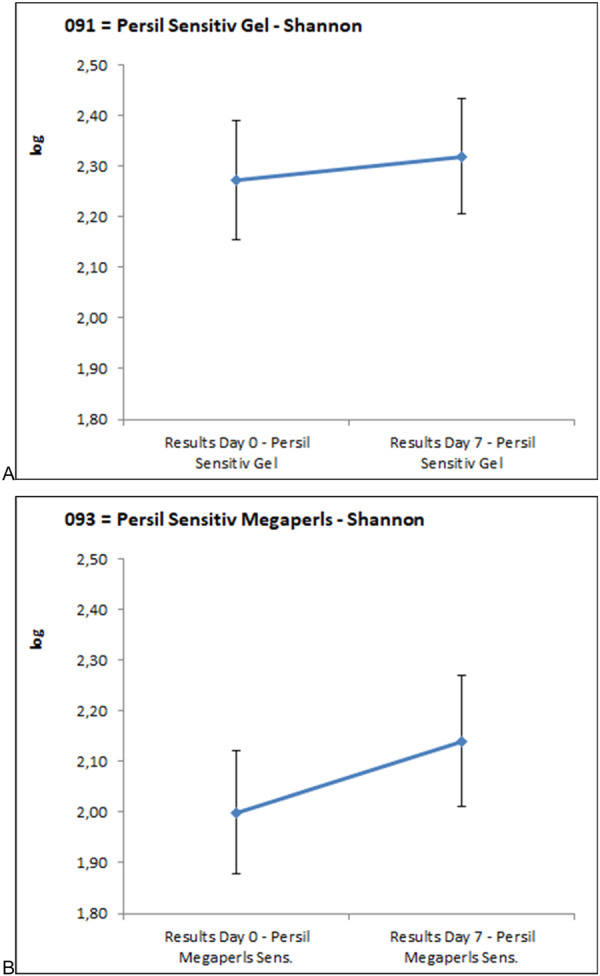
Results: The results showed that the tested laundry detergents did not have a negative effect on bacterial viability or biodiversity on the skin after being exposed to the detergent-washed socks for a week. The laundry detergents were rated as very good on the tolerability scale and no worsening of skin itch was reported with the use of either detergent.
Conclusion: The results of the study showed that both laundry detergents are skin and allergy friendly and do not alter the skin microbiome.
Keywords: allergy‐friendly detergents; atopic dermatitis; skin microbiome.
© 2024 The Author(s). Health Science Reports published by Wiley Periodicals LLC.
Conflict of interest statement
Stefan Evers is an an employee of Henkel AG & Co KGaA, which are producing, for example, laundry detergents, but the payment and his employer have no direct contribution to the content of this article. Mirko Weide is an employee of Henkel AG & Co KGaA, which produce, for example, laundry detergents, but the payment and his employer have no direct contribution to the content of this article. Torsten Zuberbier has received institutional funding for research and/or honoria for lectures and/or consulting from Amgen, AstraZeneca, AbbVie, ALK, Almirall, Astellas, Bayer Health Care, Bencard, Berlin Chemie, FAES, HAL, Henkel, Kryolan, Leti, L'Oreal, Meda, Menarini, Merck, MSD, Novartis, Pfizer, Sanofi, Stallergenes, Takeda, Teva and UCB, Uriach; in addition, he is a member of ARIA/WHO, DGAKI, ECARF, GA2LEN, and WAO. The other authors declare no conflicts of interest.
Figures
References
-
- Zuberbier T., Orlow S. J., Paller A. S., et al., “Patient Perspectives on the Management of Atopic Dermatitis,” Journal of Allergy and Clinical Immunology 118, no. 1 (2006): 226–232. - PubMed
-
- Koh L. F., Ong R. Y., and Common J. E., “Skin Microbiome of Atopic Dermatitis,” Allergology International 71, no. 1 (2022): 31–39. - PubMed
LinkOut - more resources
Full Text Sources
Research Materials
