


Establishment of embryogenic Pinus thunbergii Parl. suspension cultures: growth parameters, dynamic analysis, and plant regenerative capacities
- PMID: 39702005
- PMCID: PMC11656611
- DOI: 10.1186/s12870-024-05938-0
Establishment of embryogenic Pinus thunbergii Parl. suspension cultures: growth parameters, dynamic analysis, and plant regenerative capacities
Abstract
Background: Pinus thunbergii is an economically important conifer species that plays a fundamental role in forest ecosystems. However, the population has declined dramatically in recent years as a result of the pine wilt disease outbreak. Thus, developing pine wilt-resistant P. thunbergii is an effective strategy for combating this epidemic.
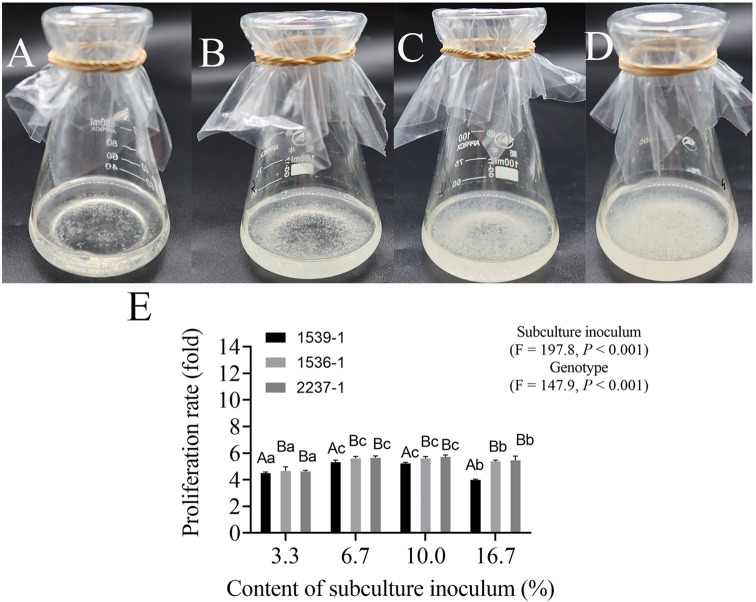
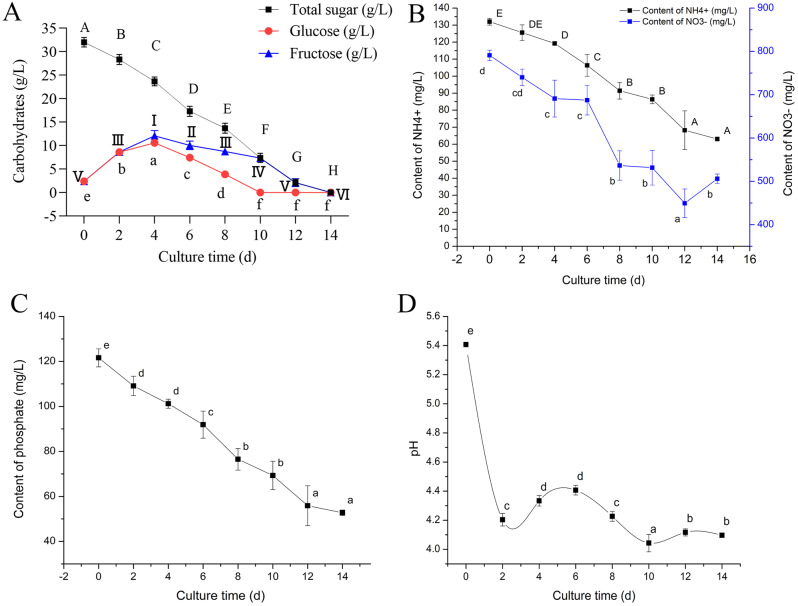
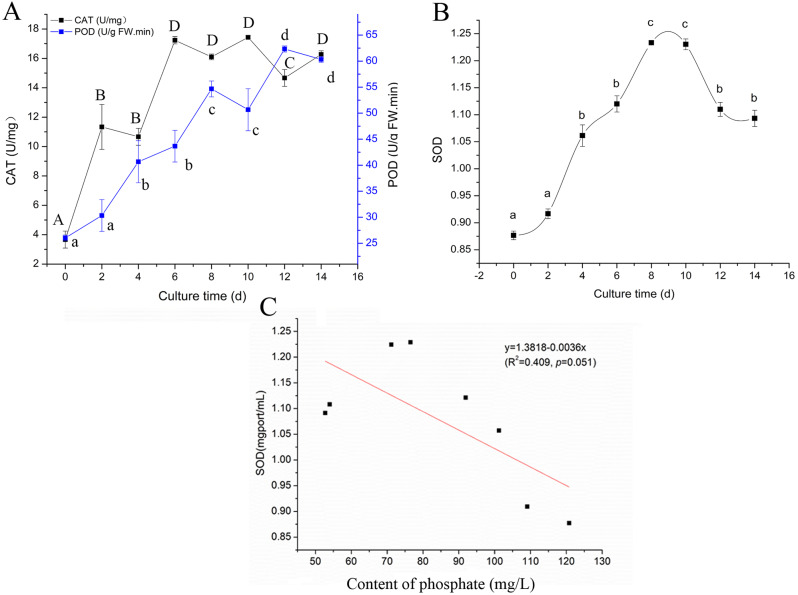
Results: The somatic embryogenesis of nematode-resistant P. thunbergii was previously reported by our group. The current study looked into the potential commercialization of suspension cultures as a means of large-scale production of nematode-resistant P. thunbergii seedlings. According to our findings, P. thunbergii suspension cultures were suitable for an initial inoculum of embryogenic tissue (2 g) and a subculture inoculum (6.7% (v/v)). Suspension cultures were cultivated for 8-10 days in a 30 mL liquid medium (Gupta and Durzan medium, DCR medium) to facilitate their maturation. The suspension cultures produced a large number of high-quality somatic embryos, which were then used to regenerate the plants and move them into the field. A more accurate assessment of the quality of suspension cultures for somatic embryogenesis could come from the suspension's dynamics. The results showed that the medium's phosphate, ammonium, nitrate, and carbohydrates were quickly eaten from day 0 to day 10. In terms of the absorption of nitrogen sources, the ammonium (NH4+) was absorbed prior to nitrate (NO3-). Additionally, the activity of mitochondrial succinate dehydrogenase and superoxide dismutase was directly related to cell growth.
Conclusions: This study presents an approach for selecting appropriate suspension cultures for efficient somatic maturation of P. thunbergii that can also be applied to other conifers. Furthermore, it is possible to commercialize nematode-resistant P. thunbergii seedlings using bioreactors, according to the suspension culture system we describe. To the best of our knowledge, this is the first work to describe a P. thunbergii suspension culture.
Keywords: Pinus thunbergii; Enzyme activity; Mass propagation; Nutrient consumption; Somatic embryogenesis.
© 2024. The Author(s).
Conflict of interest statement
Declarations. Ethics approval and consent to participate: We declare that the plant materials for the experiments were collected and studied in accordance with the relevant institutional, national, and international guidelines and legislation. Consent for publication: Not applicable. Competing interests: The authors declare no competing interests.
Figures




References
-
- Ding XL, Lin SX, Zhao R, et al. First report of needle blight on Pinus thunbergii Parl. Caused by Fusarium proliferatum in China. Plant Dis; 2022.
-
- Maruyama TE, Hosoi Y. Post-maturation treatment improves and synchronizes somatic embryo germination of three species of Japanese pines. Plant Cell Tiss Org. 2012;110(1):45–52.
-
- Sun T, Wang Y, Zhu L, et al. Plant regeneration by somatic embryogenesis in Pinus thunbergii resistant to the pine wood nematode. Can J for Res. 2019;49(12):1604–12.
-
- Maruyama E, Hosoi Y, Ishii K. Somatic embryo production and plant regeneration of Japanese black pine (Pinus thunbergii). J Res. 2005;10(5):403–7.
MeSH terms
Grants and funding
LinkOut - more resources
Full Text Sources
