


Pathological Sequelae of SARS-CoV-2: A Review for Clinicians
- PMID: 39703609
- PMCID: PMC11650917
- DOI: 10.59249/DQJH2274
Pathological Sequelae of SARS-CoV-2: A Review for Clinicians
Abstract
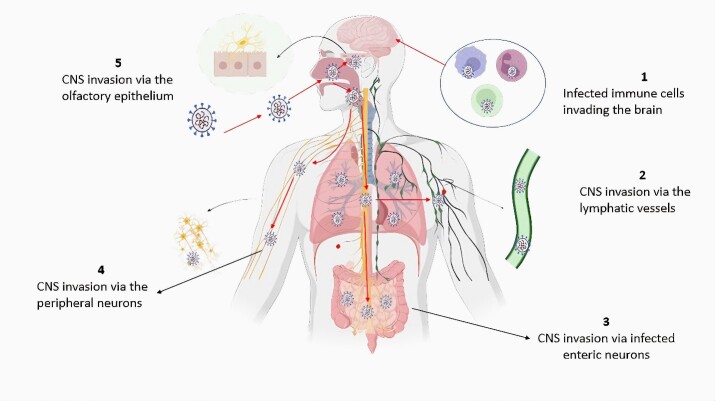
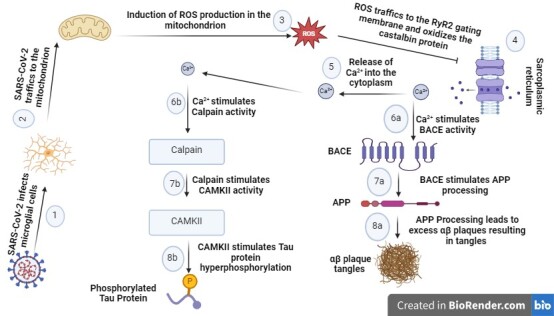
The Coronavirus Disease 2019 (COVID-19) pandemic, driven by the novel coronavirus and its variants, has caused over 518 million infections and 6.25 million deaths globally, leading to a significant health crisis. Beyond its primary respiratory impact, Severe Acute Respiratory Syndrome Coronavirus-2 (SARS-CoV-2) has been implicated in various extra-pulmonary complications. Research studies reveal that the virus affects multiple organs, including the kidneys, liver, pancreas, and central nervous system (CNS), largely due to the widespread expression of Angiotensin Converting Enzyme-2 (ACE-2) receptors. Clinical evidence shows that the virus can induce diabetes by disrupting pancreatic and liver functions as well as cause acute kidney injury. Additionally, neurological complications, including cognitive impairments and neuroinflammation, have been observed in a significant number of COVID-19 patients. This review discusses the mechanisms linking SARS-CoV-2 to acute kidney injury, Type 1 and Type 2 Diabetes Mellitus (T1DM and T2DM), emphasizing its effects on pancreatic beta cells, insulin resistance, and the regulation of gluconeogenesis. We also explore how SARS-CoV-2 induces neurological complications, detailing the intricate pathways of neuro-invasion and the potential to trigger conditions such as Alzheimer's disease (AD). By elucidating the metabolic and neurological manifestations of COVID-19 and the underlying pathogenic mechanisms, this review underscores the imperative for continued research and the development of effective therapeutic interventions to mitigate the long-term and short-term impacts of SARS-CoV-2 infection.
Keywords: Alzheimer’s disease; Hyperglycemia; Neuro-invasion; SARS-CoV-2; Type 1 Diabetes Mellitus; Type 2 Diabetes Mellitus.
Copyright ©2024, Yale Journal of Biology and Medicine.
Figures
References
Publication types
MeSH terms
LinkOut - more resources
Full Text Sources
Medical
Miscellaneous