


Bat Cutaneous Microbial Assemblage Functional Redundancy Across a Host-Mediated Disturbance
- PMID: 39708121
- PMCID: PMC11663193
- DOI: 10.1007/s00248-024-02480-2
Bat Cutaneous Microbial Assemblage Functional Redundancy Across a Host-Mediated Disturbance
Abstract
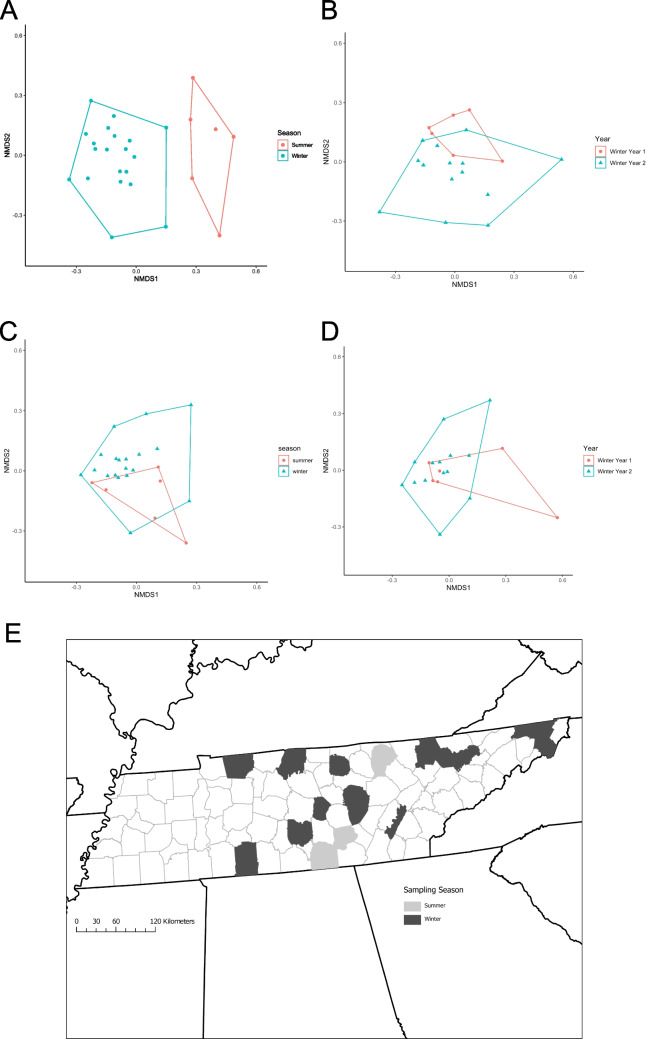
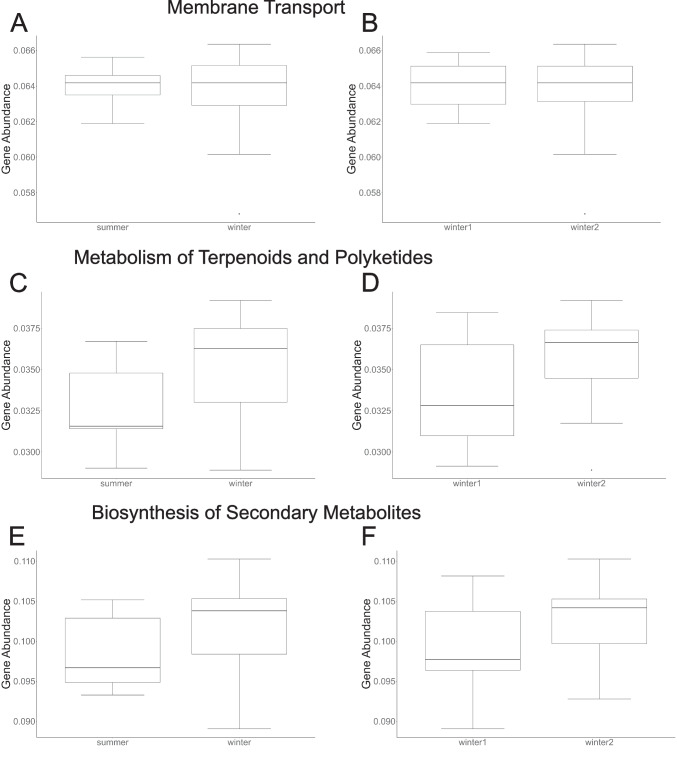
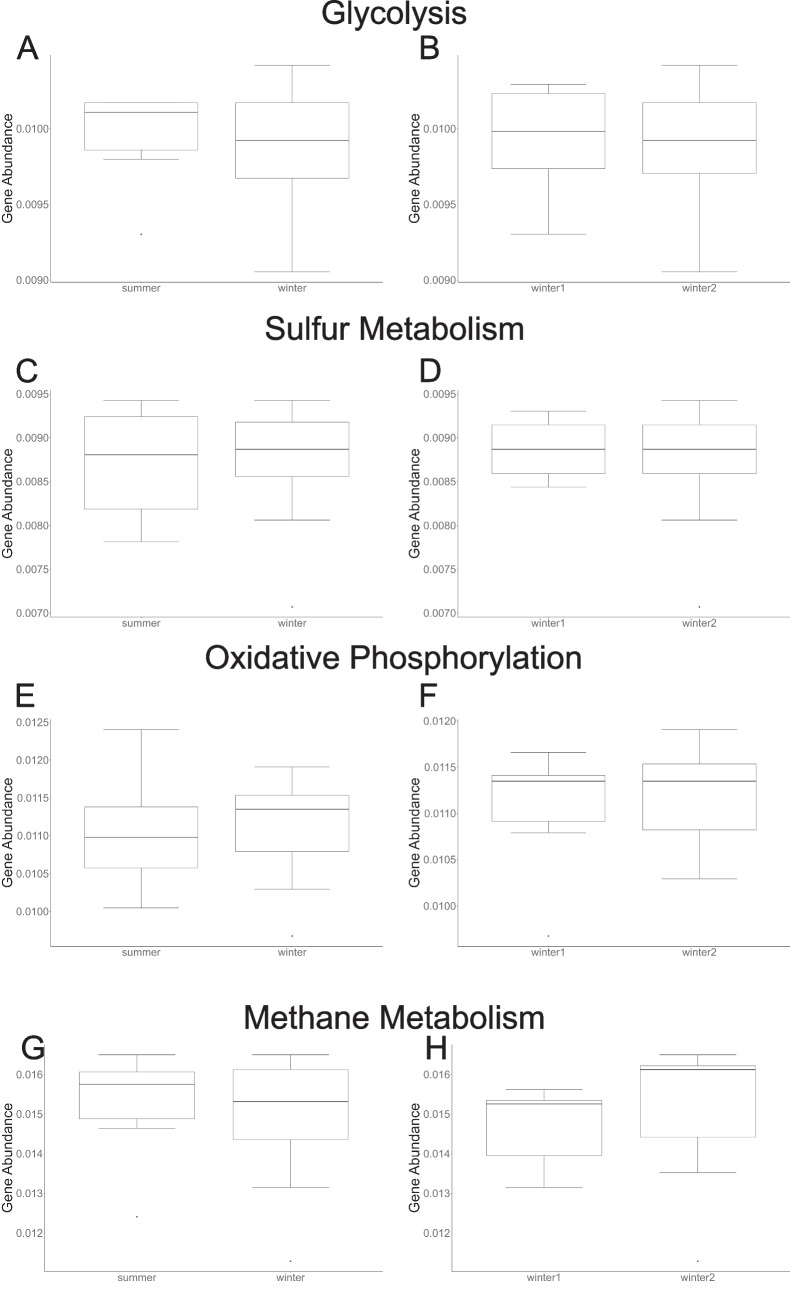
Understanding the processes and factors that influence the structure of host-associated microbial assemblages has been a major area of research as these assemblages play a role in host defense against pathogens. Previous work has found that bacterial taxa within bat cutaneous microbial assemblages have antifungal capabilities against the emerging fungal pathogen, Pseudogymnoascus destructans. However, our understanding of natural fluctuations in these cutaneous microbial assemblages over time due to shifts in host habitat is lacking. The objective of this work was to understand how the taxonomic and functional bat cutaneous microbial assemblage responds to seasonal shifts in host habitat. We hypothesized that at the community level, there will be turnover in taxonomic structure but functional redundancy across seasons. On a finer scale, we hypothesized that there will be differences in the relative abundance of functional genes that code for select pathways across seasons. Results showed that, on a broad scale, the bat cutaneous microbial assemblage is seasonally taxonomically dynamic but functionally redundant. Additionally, although there was almost complete taxonomic turnover between winter and summer bat microbial assemblages, there was no difference in assemblage structure across winters. This functional redundancy was also observed at finer scales, with no differences in the abundance of genes within pathways of hypothesized importance across seasons or winters. Taken together, results suggest species sorting mechanisms correlated with shifts in host habitat use, drive taxonomic but not functional host-associated cutaneous microbial community assembly.
Keywords: Eptesicus fuscus; Community assembly; Host-microbe interactions; Microbial resilience; Microbiome.
© 2024. The Author(s).
Conflict of interest statement
Declarations. Ethics Approval: This work was approved by IACUC TTU-16–17-003 and USFWS 2009–038. Competing Interests: The authors declare no competing interests.
Figures
References
-
- Belden LK, Harris RN (2007) Infectious diseases in wildlife: the community ecology context. Front Ecol Environ 5:533–539. 10.1890/060122
MeSH terms
Supplementary concepts
Grants and funding
LinkOut - more resources
Full Text Sources
