The impact of central sensitization-related symptoms on subacromial steroid injection outcomes in patients with subacromial impingement syndrome: an observational study
- PMID: 39710498
- PMCID: PMC11695246
- DOI: 10.3344/kjp.24290
The impact of central sensitization-related symptoms on subacromial steroid injection outcomes in patients with subacromial impingement syndrome: an observational study
Abstract
Background: Evidence indicates that central sensitization (CS) plays a role in subacromial impingement syndrome (SIS). Reduced treatment response has been associated with pretreatment pain sensitization features, such as CSrelated symptoms.
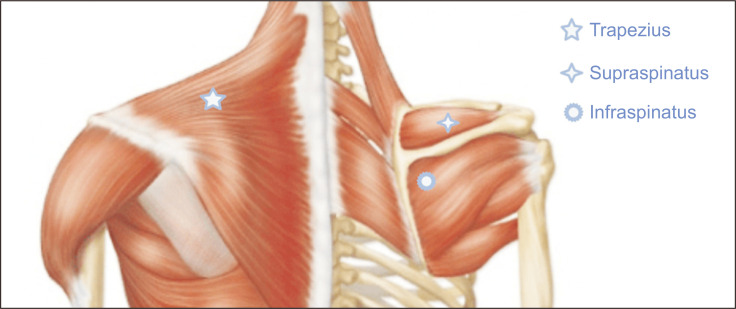
Methods: Patients who received subacromial steroid injection were evaluated before the injection, at the first and third months. CS-related symptoms were investigated through the central sensitization inventory (CSI), and pain hypersensitivity was investigated by pressure pain threshold (PPT). Patients were evaluated using the visual analog scale (VAS), Quick Disabilities of the Arm, Shoulder, and Hand, Hospital Anxiety and Depression Scale, and Short Form-36.
Results: With the injection, all participants had a significant reduction in shoulder pain (P < 0.05). In all follow-ups, VAS values did not differ significantly between the groups, and patients with CSI ≥ 40 had higher levels of disability, anxiety, depression, and worse quality of life before treatment (P < 0.05). Post-injection disability decreased significantly in the CS group and reached similar levels in both groups at the third month (P > 0.05). Although both groups' PPT values were comparable pre-treatment and at the third month, the CS group's affected shoulder showed a notable PPT decline at the first month (P < 0.05).
Conclusions: Pre-treatment CS-related symptoms had no effect on SIS patients' responsiveness to steroid injections.
Keywords: Central Nervous System Sensitization; Chronic Pain; Pain Threshold; Rotator Cuff; Shoulder Impingement Syndrome; Shoulder Pain.
Conflict of interest statement
No potential conflict of interest relevant to this article was reported.
Figures

References
LinkOut - more resources
Full Text Sources