


Integrated Data Mining and Animal Experiments to Investigate the Efficacy and Potential Pharmacological Mechanism of a Traditional Tibetan Functional Food Terminalia chebula Retz. in Hyperuricemia
- PMID: 39713714
- PMCID: PMC11662633
- DOI: 10.2147/JIR.S484987
Integrated Data Mining and Animal Experiments to Investigate the Efficacy and Potential Pharmacological Mechanism of a Traditional Tibetan Functional Food Terminalia chebula Retz. in Hyperuricemia
Abstract
Background: Hyperuricemia (HUA), a common metabolic disorder associated with gout, renal dysfunction, and systemic inflammation, necessitates safer and more comprehensive therapeutic approaches. Traditional Tibetan medicine has a rich history of treating HUA. This study aimed to identify novel anti-hyperuricemic herb derived from traditional Tibetan medicine.
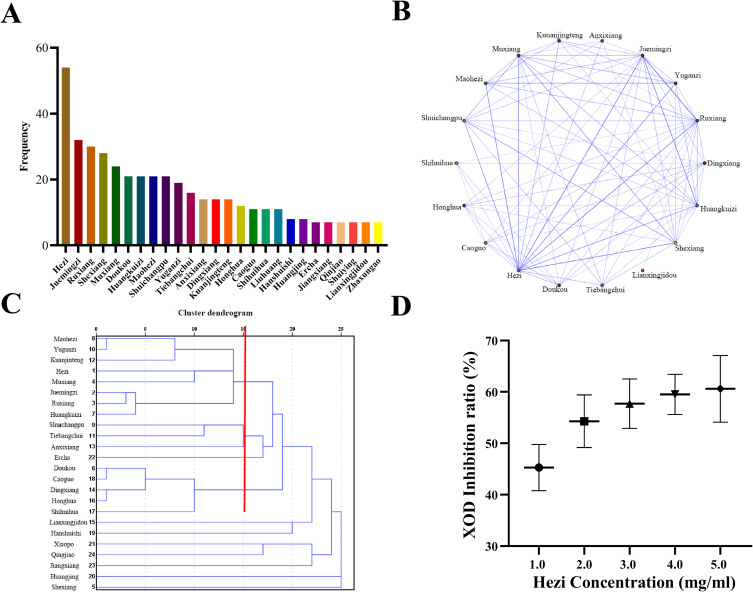
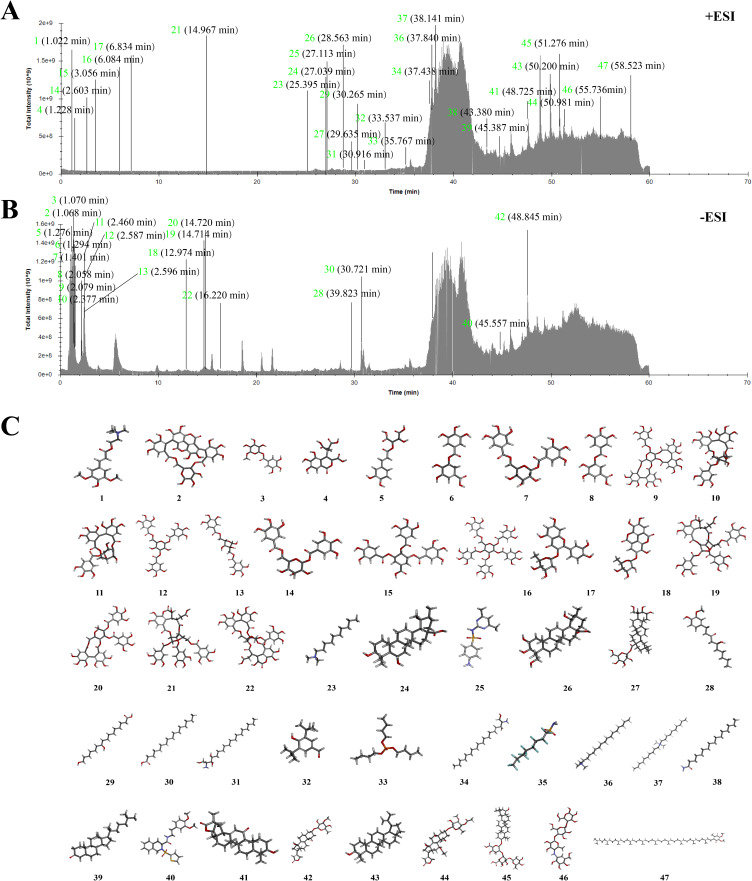
Methods: Traditional Tibetan medicine prescriptions for HUA were analyzed using data mining techniques, identifying T. chebula as a high-frequency herb. Its phytochemical composition was characterized by UPLC-QE-Orbitrap-MS. Hyperuricemic rat models were treated with T. chebula to assess its effects on serum uric acid (UA) levels, renal inflammation, intestinal barrier integrity, and gut microbiota composition. Molecular and histological analyses evaluated its impact on key biomarkers.
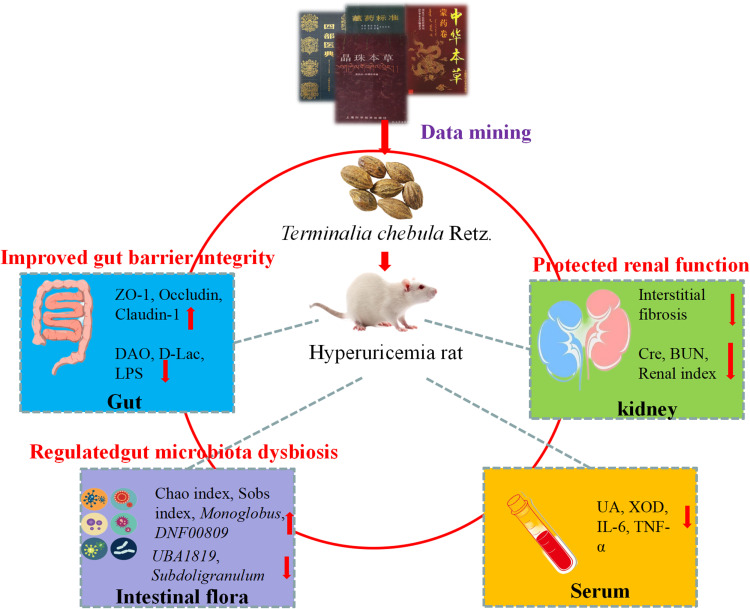
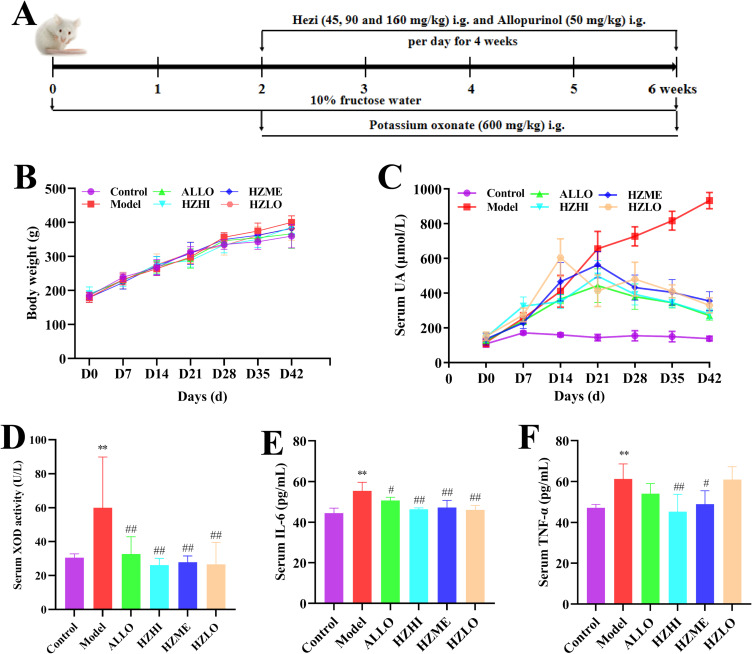
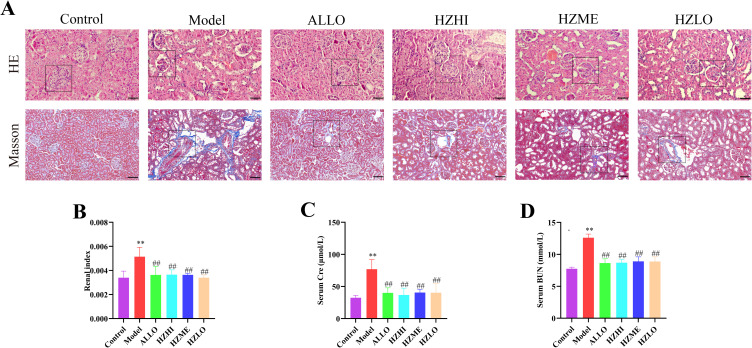
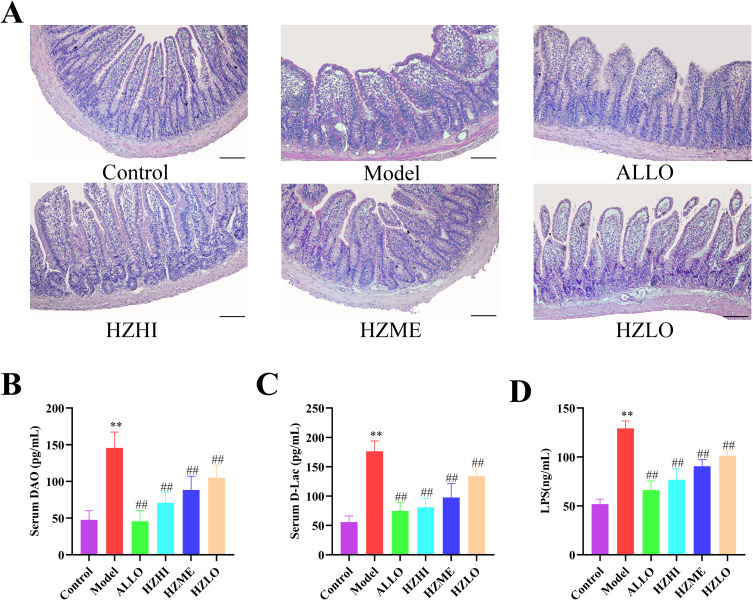
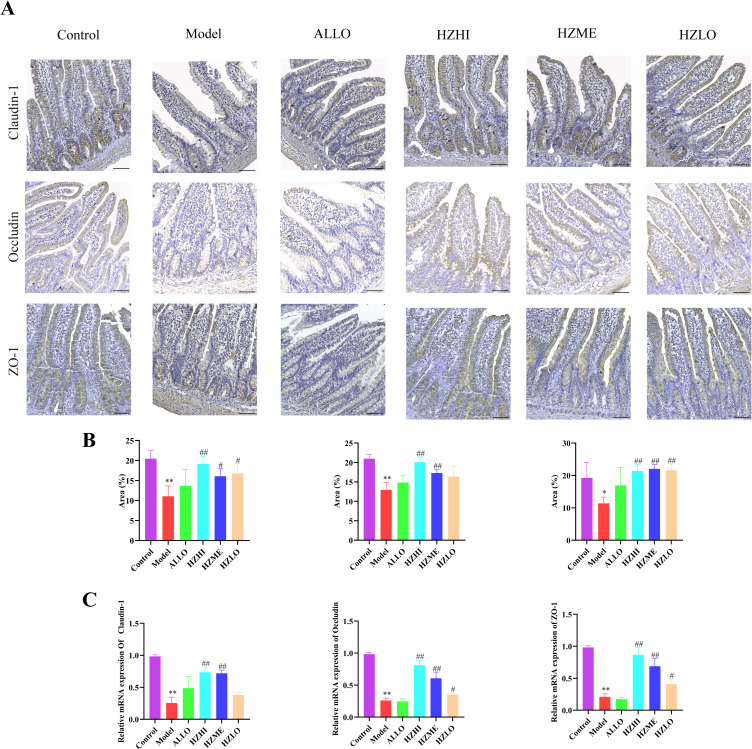
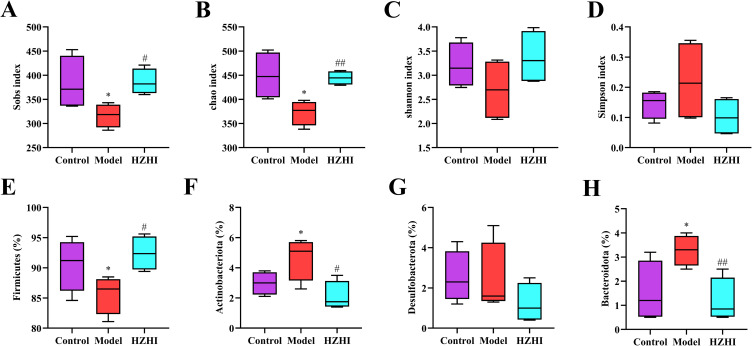
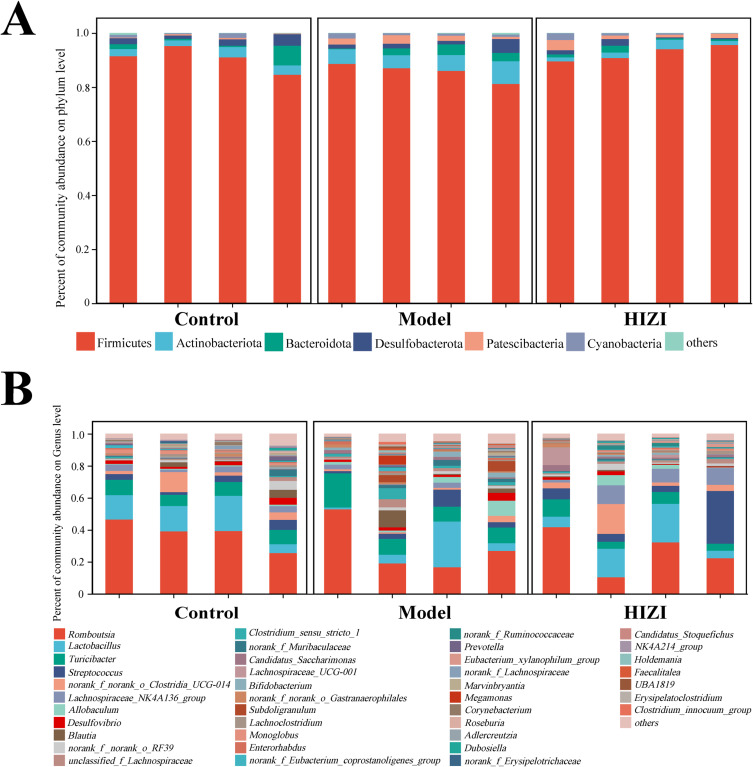
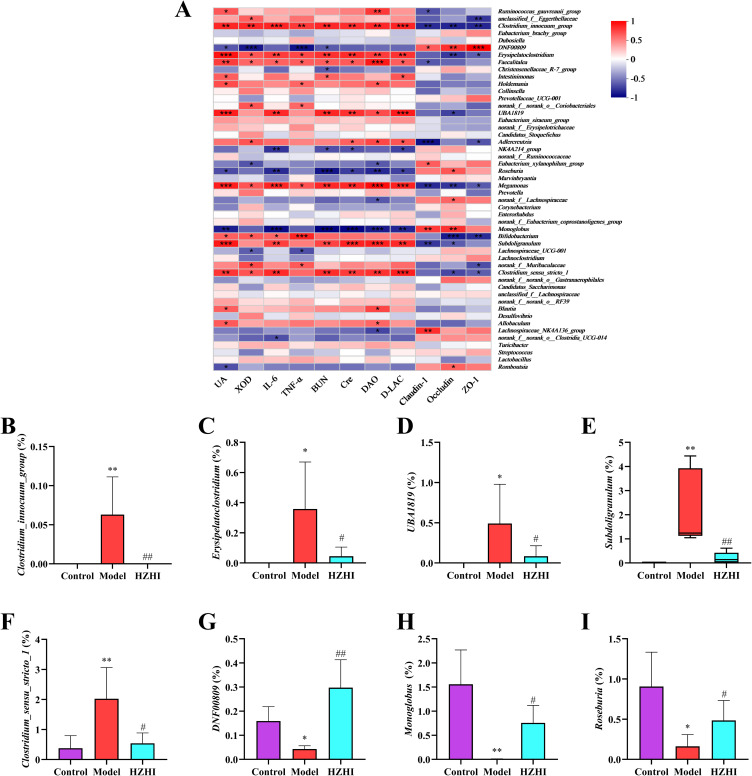
Results: Through data mining, we identified T. chebula as a promising candidate for HUA treatment. T. chebula demonstrated dose-dependent inhibition of xanthine oxidase (XOD) in vitro and significantly reduced serum UA levels and XOD activity in vivo. It restored gut barrier function by upregulating tight junction proteins (ZO-1, Occludin, Claudin-1) and reduced pro-inflammatory cytokines (IL-6, TNF-α). T. chebula improved renal function, reducing serum creatinine (Cre) and blood urea nitrogen (BUN) levels. Gut microbiota analysis revealed a favorable shift in microbial composition, with reductions in harmful bacteria (eg, Clostridium spp.) and increases in beneficial bacteria (eg, Roseburia). These effects aligned with the modulation of the gut-kidney axis.
Conclusion: This study highlights the multi-target therapeutic potential of T. chebula in HUA management. By regulating the gut-kidney axis, T. chebula alleviates systemic inflammation, enhances intestinal and renal health, and addresses critical aspects of HUA pathology. These findings underscore the value of integrating traditional medicine with modern scientific methodologies to develop innovative treatments.
Keywords: Terminalia chebula Retz.; data mining; hyperuricemia; intestinal flora; renal.
© 2024 Liu et al.
Conflict of interest statement
The authors report no conflicts of interest in this work.
Figures
References
-
- Amatjan M, Li N, He P, et al. A novel approach based on gut microbiota analysis and network pharmacology to explain the mechanisms of action of Cichorium intybus L. Formula in the improvement of hyperuricemic nephropathy in rats. Drug Des Devel Ther. 2023;17:107–128. doi: 10.2147/DDDT.S389811 - DOI - PMC - PubMed
LinkOut - more resources
Full Text Sources
Miscellaneous
