


Decoding burn trauma: biomarkers for early diagnosis of burn-induced pathologies
- PMID: 39716257
- PMCID: PMC11668120
- DOI: 10.1186/s40364-024-00707-5
Decoding burn trauma: biomarkers for early diagnosis of burn-induced pathologies
Abstract
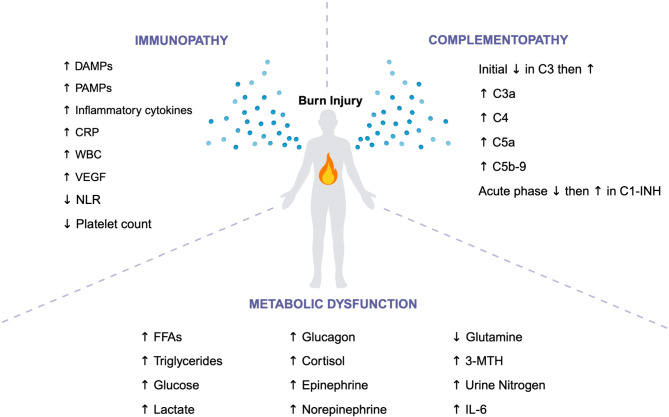
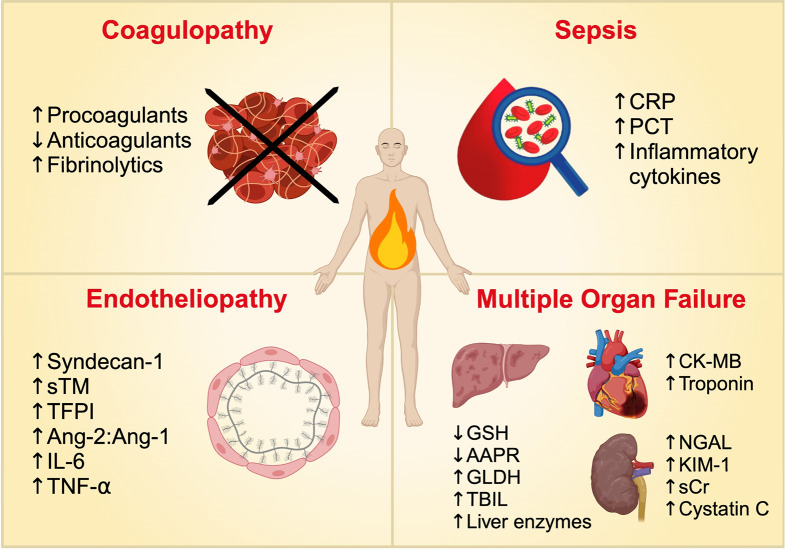
Burn injuries represent a significant global challenge due to their multifaceted nature, characterized by a complex cascade of metabolic and immune dysfunction that can result in severe complications. If not identified and managed promptly, these complications can escalate, often leading to fatal outcomes. This underscores the critical importance of timely and precise diagnosis. Fortunately, biomarkers for burn-induced pathologies and outcomes have emerged as powerful diagnostic and prognostic tools. These biomarkers enable early diagnosis and intervention, facilitate risk assessment, support patient-specific treatment, monitoring of disease progression, and therapeutic efficacy, ultimately contributing to improved patient outcomes. However, while previous studies have provided valuable biomarkers for the detection of burn-induced pathologies, many of these were constrained by the techniques and sample sizes available at the time, which can limit the generalizability of the findings. This review highlights numerous biomarkers studied in the literature to date, underscoring the need to replicate these findings in more diverse and representative populations. It also emphasizes the importance of advancing research efforts to develop more efficient, accurate, and cost-effective approaches for integrating biomarkers into clinical practice.
Keywords: Biomarkers; Burns; Complications; Hypermetabolism; Immunopathy; Inflammation; Multiorgan damage; Sepsis; Thermal injury.
© 2024. The Author(s).
Conflict of interest statement
Declarations. Ethics approval and consent to participate: Not applicable. Consent for publication: Not applicable. Competing interests: The authors declare no competing interests.
Figures
References
Publication types
Grants and funding
LinkOut - more resources
Full Text Sources
