


Nutrition literacy profile among adolescents in Kuwait: a cross-sectional study
- PMID: 39717040
- PMCID: PMC11663839
- DOI: 10.3389/fpubh.2024.1453484
Nutrition literacy profile among adolescents in Kuwait: a cross-sectional study
Abstract
Background: Adolescent nutrition literacy and knowledge are associated with nutrient intake and obesity. With the rising prevalence of obesity in Kuwait, limited studies have assessed nutrition literacy among Kuwaiti adolescents. Therefore, this study aims to assess nutrition literacy among Kuwaiti adolescents and examine factors associated with nutrition literacy, such as body mass index (BMI) and dietary intake.
Methods: A school-based cross-sectional study was conducted in public schools across Kuwait, enrolling a convenience sample of 375 adolescents (mean age = 15.6 years, 53.1% female participants). A self-administered questionnaire was used to collect relevant data. The Nutrition Literacy Assessment Instrument (NLit) score was used to assess nutrition knowledge and skills in making food choices.
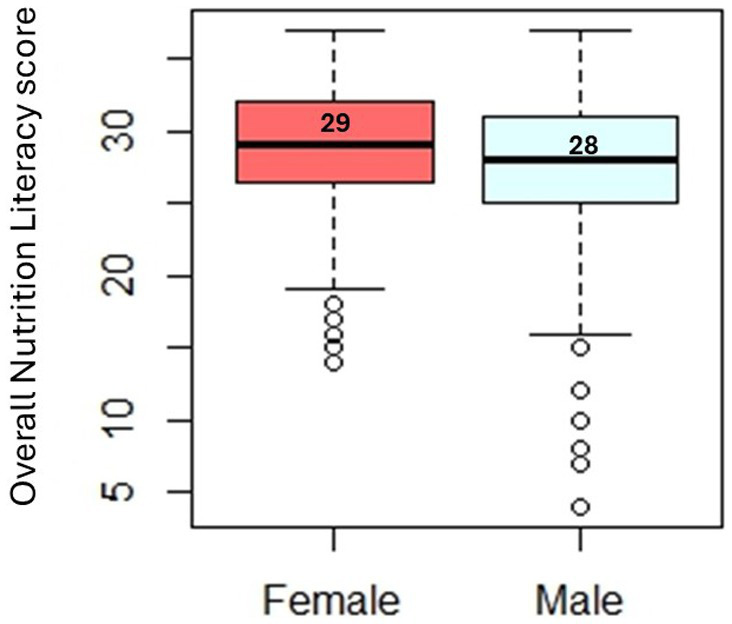
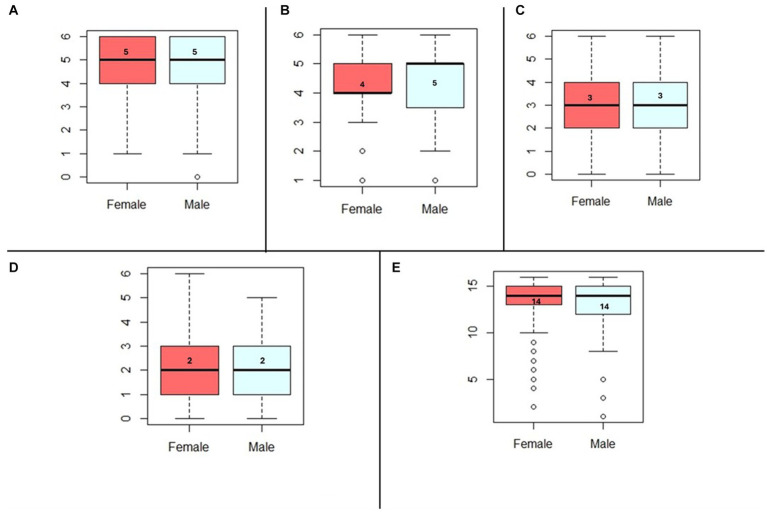
Results: The median NLit score among adolescents was 29 (IQR = 6). A large percentage (72.5%) of Kuwaiti adolescents demonstrated adequate overall nutrition literacy and scored adequately in the majority of NLit subscales. However, the majority of adolescents (73.3%) demonstrated inadequate nutrition literacy in understanding food labels. Predictors of NLit included BMI, place of residence, and smoking status. Moreover, the NLit score was negatively associated with the intake of sugar-sweetened beverages.
Conclusion: This study's findings may inform future research aimed at designing effective nutrition literacy interventions to enhance food choices among adolescents in Kuwait. The results of this study may also provide insights for policymakers and public health professionals to tailor food and nutrition programs to address the decline in food literacy skills and combat obesity.
Keywords: adolescent; body mass index; nutrition knowledge; nutrition literacy; sugar-sweetened beverages.
Copyright © 2024 AlBaloul, AlKhalidi and AlAjmi.
Conflict of interest statement
The authors declare that the research was conducted in the absence of any commercial or financial relationships that could be construed as a potential conflict of interest.
Figures
References
-
- World Health Organization . Guide for conducting national and subnational programme reviews for maternal, newborn, child and adolescent health. Geneva: World Health Organization; (2024).
-
- Barnes TL, Crandell JL, Bell RA, Mayer-Davis EJ, Dabelea D, Liese AD. Change in DASH diet score and cardiovascular risk factors in youth with type 1 and type 2 diabetes mellitus: the SEARCH for diabetes in youth study. Nutr Diabetes. (2013) 3:e91. doi: 10.1038/nutd.2013.32, PMID: - DOI - PMC - PubMed
-
- Soltani S, Shirani F, Chitsazi MJ, Salehi-Abargouei A. The effect of dietary approaches to stop hypertension (DASH) diet on weight and body composition in adults: a systematic review and meta-analysis of randomized controlled clinical trials. Obes Rev. (2016) 17:442–54. doi: 10.1111/obr.12391, PMID: - DOI - PubMed
MeSH terms
LinkOut - more resources
Full Text Sources
Medical
