


Diagnosis of Neurological Involvement Caused by Streptococcus dysgalactiae: A Case Report and Review of the Literature
- PMID: 39717064
- PMCID: PMC11665141
- DOI: 10.2147/IDR.S493557
Diagnosis of Neurological Involvement Caused by Streptococcus dysgalactiae: A Case Report and Review of the Literature
Abstract
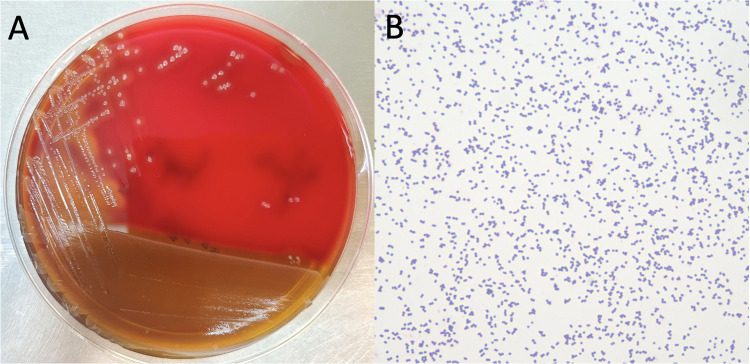
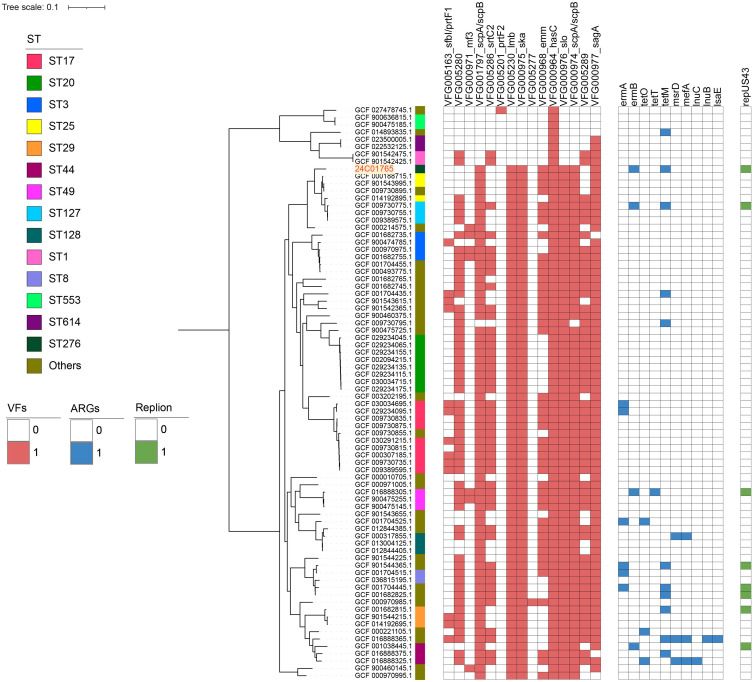
Purpose: This study investigated the clinical relevance, pathogenic mechanisms, and neurological involvement of Streptococcus dysgalactiae subspecies equisimilis (SDSE) and subspecies dysgalactiae (SDSD), with a focus on a severe case of SDSE meningitis complicated by septic shock.
Patients and methods: A systematic review of 19 cases of neurological infections caused by S. dysgalactiae (SDSE or SDSD) from 1971 to 2023 was conducted, supplemented by a detailed case report. Data on patient demographics, predisposing factors, clinical manifestations, diagnostic procedures, treatment, and outcomes were analyzed.
Results: The reviewed cases involved 12 patients with SDSE and seven with SDSD. The median age was 53 years, and most patients had underlying conditions such as diabetes, malignancy, or cardiovascular disease. Neurological manifestations were common, with meningitis being diagnosed in 17 patients. Despite prompt antibiotic therapy, six patients (32%) died, highlighting the severe nature of these infections.
Conclusion: S. dysgalactiae can cause severe neurological infections, particularly in immunocompromised patients. Early recognition and aggressive treatment are essential to improving outcomes. Advanced molecular diagnostic techniques, such as next-generation sequencing (NGS), are crucial in identifying and managing these infections.
Keywords: Streptococcus dysgalactiae; case report; neurological involvement; review.
© 2024 Zhou et al.
Conflict of interest statement
The authors report no conflicts of interest in this work.
Figures
References
Publication types
LinkOut - more resources
Full Text Sources
