


The consequences of climate change and male reproductive health: A review of the possible impact and mechanisms
- PMID: 39717849
- PMCID: PMC11664087
- DOI: 10.1016/j.bbrep.2024.101889
The consequences of climate change and male reproductive health: A review of the possible impact and mechanisms
Abstract
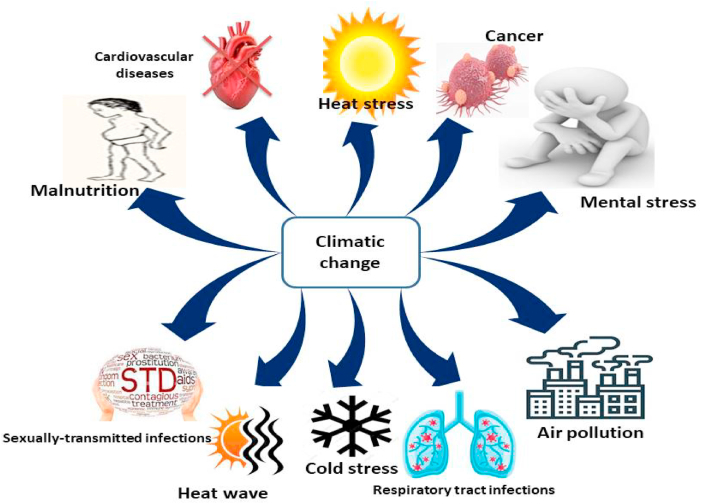
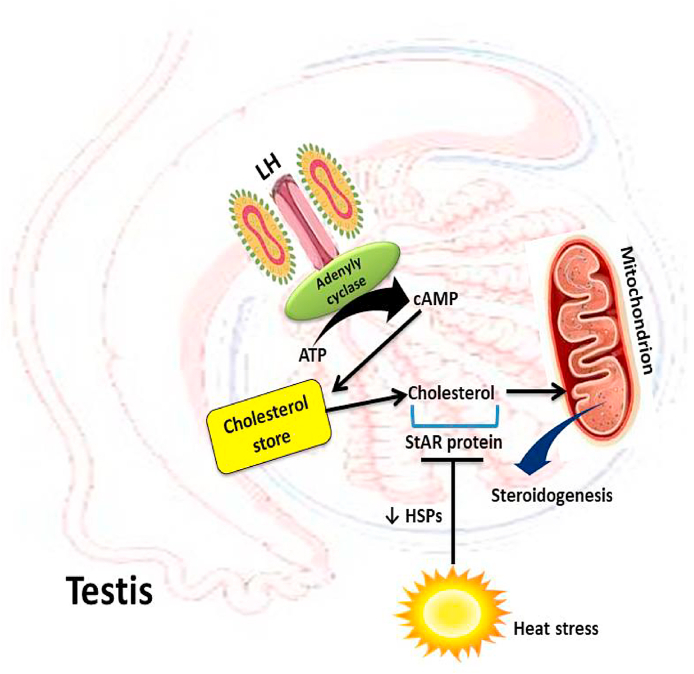
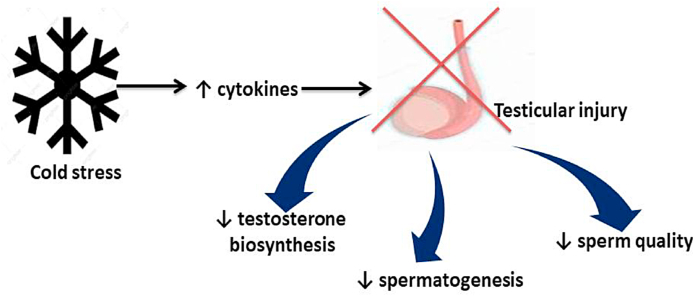
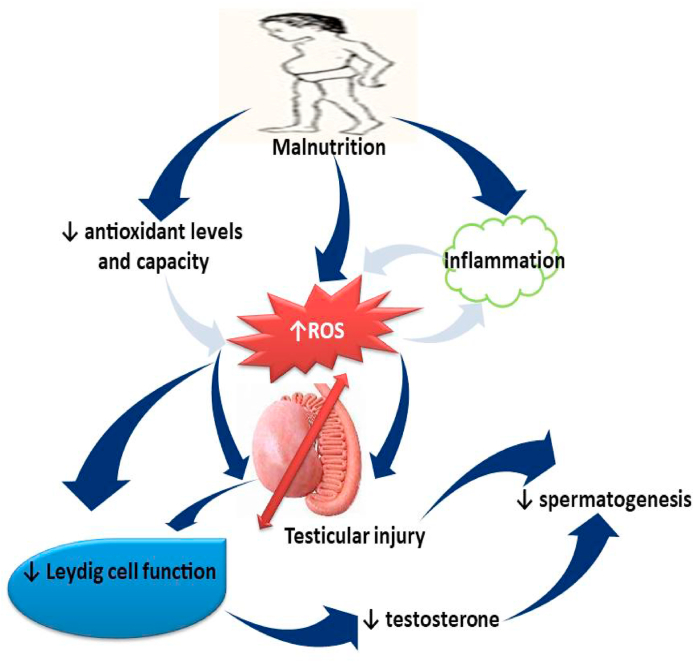
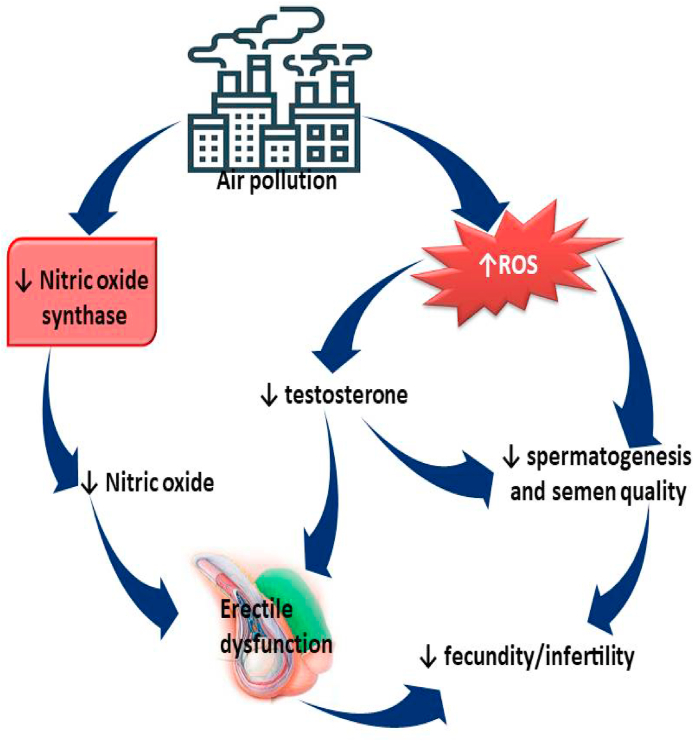
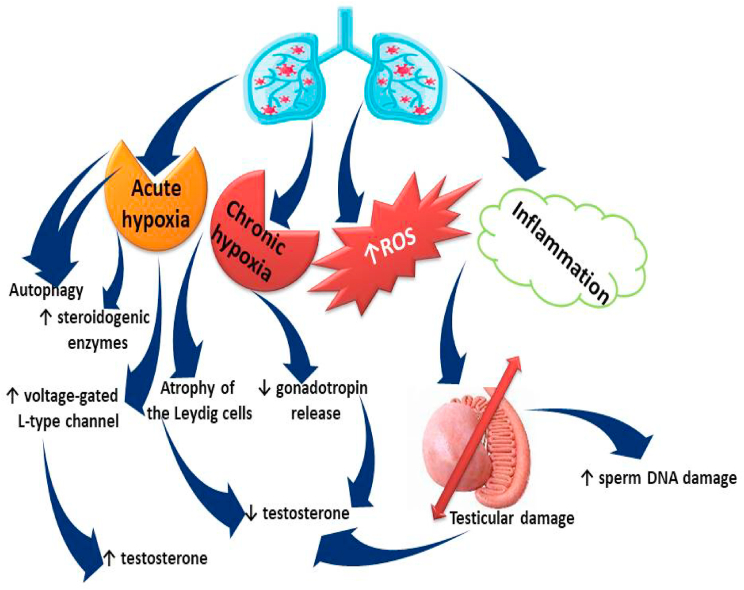
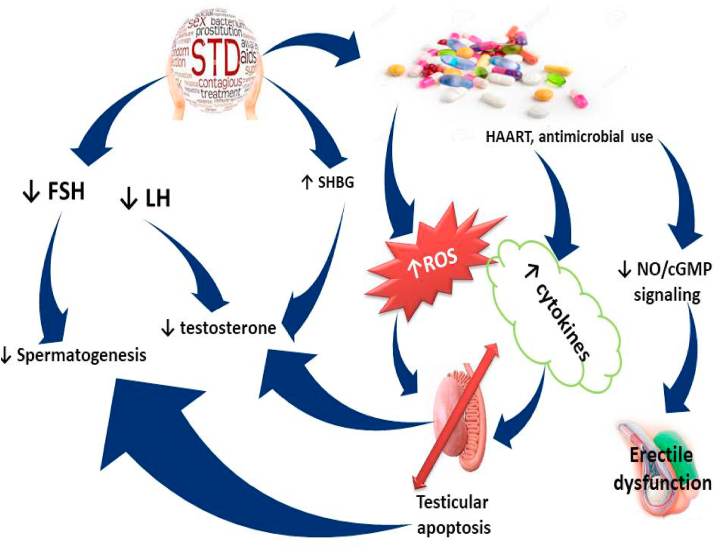
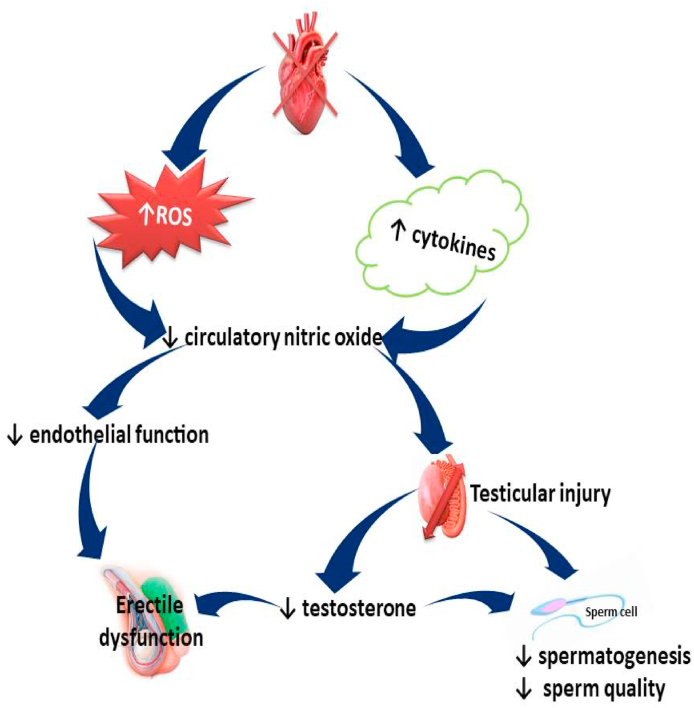
A global decline in male fertility has been reported, and climate change is considered a major cause of this. Climate change refers to long-term shifts in temperatures and weather patterns, and results from greenhouse gas emissions like carbon dioxide and methane that act as a blanket wrapped around the earth, trapping heat and elevating temperatures. Sad to say, the consequences of climatic variation are beyond the dramatic elevated temperature, they include cold stress, increased malnutrition, air pollution, cardiovascular diseases respiratory tract infections, cancer, sexually transmitted infections, mental stress, and heat waves. These negative effects of climate change impair male reproductive function through multiple pathways, like ROS-sensitive signaling, suppression of steroidogenic markers, and direct damage to testicular cells. The present study aimed to describe the impact of the consequences of climate change on male reproductive health with details of the various mechanisms involved. This will provide an in-depth understanding of the pathophysiological and molecular basis of the possible climatic variation-induced decline in male fertility, which will aid in the development of preventive measures to abate the negative effects of climate change on male reproductive function.
Keywords: Cancer; Cardiovascular disease; Cold stress; Heat stress; Infections; Malnutrition.
© 2024 The Authors.
Conflict of interest statement
The authors declare that they have no known competing financial interests or personal relationships that could have appeared to influence the work reported in this paper.
Figures
References
-
- Bonde J.P. In: Chapman and Hall Medicals. Comhaire F.M., editor. Chapman and Hall; New York, NY: 1996. Male fertility; pp. 266–284.
Publication types
LinkOut - more resources
Full Text Sources
