


Current study of pathogenetic mechanisms and therapeutics of chronic atrophic gastritis: a comprehensive review
- PMID: 39720008
- PMCID: PMC11666564
- DOI: 10.3389/fcell.2024.1513426
Current study of pathogenetic mechanisms and therapeutics of chronic atrophic gastritis: a comprehensive review
Abstract
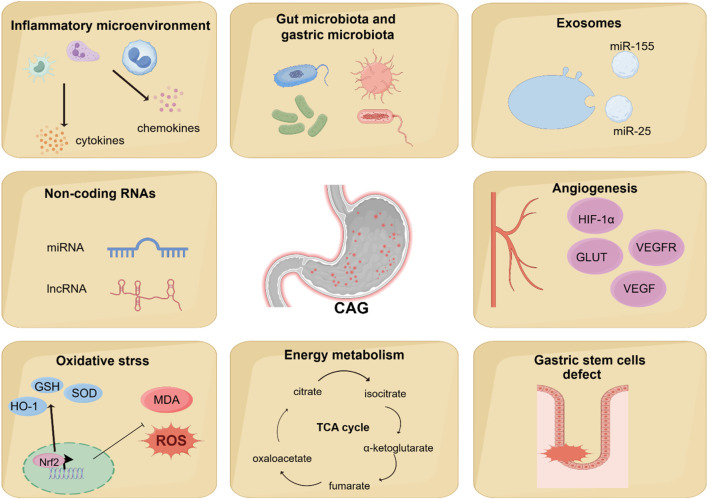
Chronic atrophic gastritis (CAG) is a prevalent digestive system disease characterized by atrophy of the gastric mucosa and the disappearance of inherent gastric glands. According to the theory of Correa's cascade, CAG is an important pathological stage in the transformation from normal condition to gastric carcinoma. In recent years, the global incidence of CAG has been increasing due to pathogenic factors, including Helicobacter pylori infection, bile reflux, and the consumption of processed meats. In this review, we comprehensively described the etiology and clinical diagnosis of CAG. We focused on elucidating the regulatory mechanisms and promising therapeutic targets in CAG, with the expectation of providing insights and theoretical support for future research on CAG.
Keywords: biomarkers; chronic atrophic gastritis; gastric precancerous lesions; pathogenetic mechanisms; therapeutic targets.
Copyright © 2024 Kuang, Xu, Xu, Huang, Majid, Shi, Yuan, Ruan and Hu.
Conflict of interest statement
The authors declare that the research was conducted in the absence of any commercial or financial relationships that could be construed as a potential conflict of interest.
Figures


References
-
- Al-Balushi M. S., Said E. A., Hasson S. S., Al-Busaidi J. Z., Al-Reesi I., Idris M., et al. (2016). High levels of IgA antibodies to Helicobacter Pylori among Omani women during pregnancy and after delivery. Iran. J. Immunol. 13, 114–123. ijiv13i2a4. - PubMed
Publication types
LinkOut - more resources
Full Text Sources
