


Case report: Identification of a Chinese patient with RAG1 mutations initially presenting as autoimmune hemolytic anemia
- PMID: 39720732
- PMCID: PMC11666426
- DOI: 10.3389/fimmu.2024.1498066
Case report: Identification of a Chinese patient with RAG1 mutations initially presenting as autoimmune hemolytic anemia
Abstract
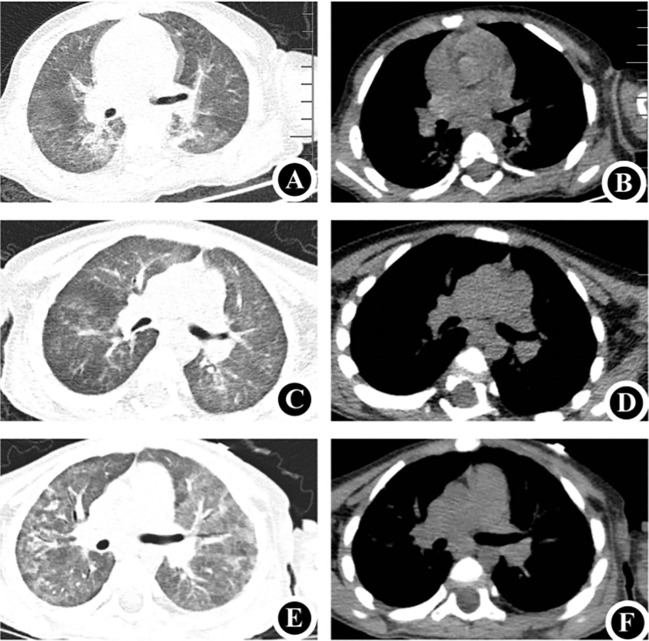
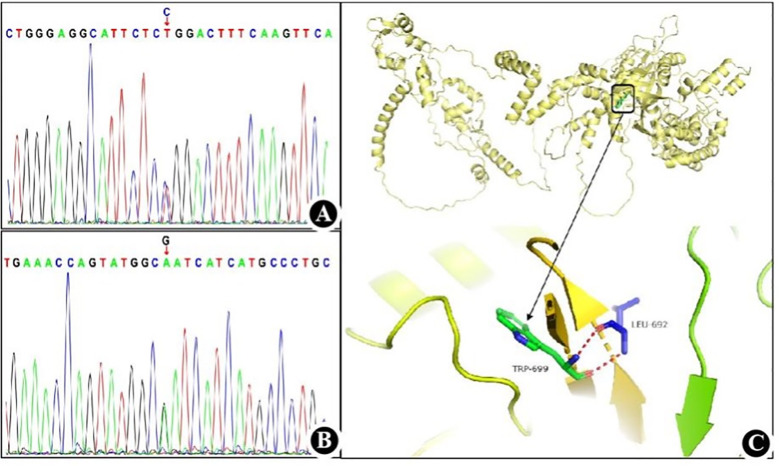
Mutations in the recombination-activating gene 1, a pivotal component essential for V(D)J recombination and the formation of T- and B-cell receptors, can result in autoimmune hemolytic anemia, a rare hematological condition characterized by the autoantibody-mediated destruction of red blood cells. Herein, we report the case of a 1-year-and-4-month-old girl who presented with progressively aggravated anemia, fever, and cough. Autoimmune hemolytic anemia was confirmed by bone marrow aspiration and Coombs test. During treatment, the patient experienced two episodes of severe pneumonia and respiratory failure. Next-generation metagenomic sequencing of sputum samples confirmed the presence of cytomegalovirus and Pneumocystis jirovecii infections. Additionally, lymphocyte subset analysis revealed a T-B+ immunodeficiency. Whole exome and Sanger sequencing revealed a pathogenic recombinase-activating gene 1 mutation (c.2095C>T, p.Arg699Trp) and a likely pathogenic variant (c.2690G>A, p.Arg897Gln), resulting in a missense mutation in the amino acid sequence of the coding protein. Consequently, the patient was diagnosed with a recombination-activating gene 1 mutation and autoimmune hemolytic anemia as the initial presentation. This study reports a case of a recombination-activating gene 1 mutation in China and documents a combination of mutation sites and associated clinical phenotypes that were previously unreported. In this study, we outline the diverse clinical phenotypes observed in cases of recombination-activating gene 1 mutations presenting with autoimmune hemolytic anemia, aiming to facilitate timely diagnosis and appropriate treatment.
Keywords: RAG1; V(D)J Recombination; autoimmune hemolytic anemia; case report; literature review.
Copyright © 2024 Chen, Jiang, Song, Sun, Yan, Xu and You.
Conflict of interest statement
The authors declare that the research was conducted in the absence of any commercial or financial relationships that could be construed as a potential conflict of interest.
Figures
References
-
- Cirillo E, Cancrini C, Azzari C, Martino S, Martire B, Pession A, et al. Clinical, immunological, and molecular features of typical and atypical severe combined immunodeficiency: report of the Italian primary immunodeficiency network. Front Immunol. (2019) 10:1908. doi: 10.3389/fimmu.2019.01908 - DOI - PMC - PubMed
Publication types
MeSH terms
Substances
LinkOut - more resources
Full Text Sources
