


Association between social engagement decline and cognitive function changes: mediating effect of depressive symptoms
- PMID: 39725854
- PMCID: PMC11671422
- DOI: 10.1007/s40520-024-02897-2
Association between social engagement decline and cognitive function changes: mediating effect of depressive symptoms
Abstract
Background: Cognitive decline is a significant public health problem worldwide, but little is known about social engagement's impact on cognitive changes over time. This study aimed to explore the relationship between social engagement decline and cognitive function change in Chinese adults, and to analyze the effect of changes in depressive symptoms on this relationship.
Methods: Participants were selected from the China Health and Retirement Longitudinal Study. Multiple linear regression was conducted to determine the association between social engagement decline and cognitive function changes, and a three-step method was used to test the mediating role of changes in depressive symptoms.
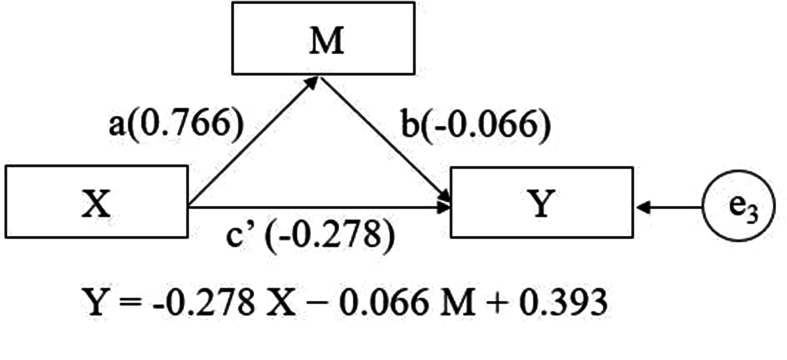
Results: During the four-year follow-up, participants' overall cognitive function decreased by an average of 0.41 points (3.0%). The decline in social engagement was significantly associated with subsequent poorer global cognitive function (Model 1: β = - 0.060, P =.005; Model 2: β = - 0.056, P =.009), and changes in depressive symptoms partially mediated this effect, accounting for 15.3% of the total effect in Model 1 and 13.8% in Model 2. Model 1 adjusted for sociodemographic characteristics, and Model 2 adjusted for health-related factors based on Model 1.
Conclusion: When developing programs for cognitive improvement in middle-aged and older adults, measures to enhance social engagement should be considered. This may not only reduce depressive symptoms but also help to minimize cognitive decline.
Keywords: CHARLS; Cognitive decline; Depressive symptoms; Older adults; Social engagement.
© 2024. The Author(s).
Conflict of interest statement
Declarations. Ethics approval and consent to participate: The data were collected from the CHARLS, which was approved and organized by Peking University’s Institutional Review Board (IRB00001052-11015). All participants provided their written informed consent before they completed the survey. All procedures were conducted according to the relevant guidelines and regulations. Competing interests: The authors declare no competing interests.
Figures

References
-
- World Health Organization (2024) Ageing. https://www.who.int/health-topics/ageing. Accessed 8 May 2024
-
- World Health Organization (2023) Dementia. https://www.who.int/news-room/fact-sheets/detail/dementia. Accessed 8 May 2024
MeSH terms
Grants and funding
LinkOut - more resources
Full Text Sources
Medical
