


Impact of 3D printing orientation on accuracy, properties, cost, and time efficiency of additively manufactured dental models: a systematic review
- PMID: 39725946
- PMCID: PMC11673669
- DOI: 10.1186/s12903-024-05365-5
Impact of 3D printing orientation on accuracy, properties, cost, and time efficiency of additively manufactured dental models: a systematic review
Abstract
Background: The evidence on the effect of printing orientation on dimensional accuracy and properties of resinous dental models is unclear. This systematic review aimed to assess the impact of printing orientation on the accuracy and properties of additively manufactured resinous dental models, besides the cost, material consumption, and time efficiency at different orientations.
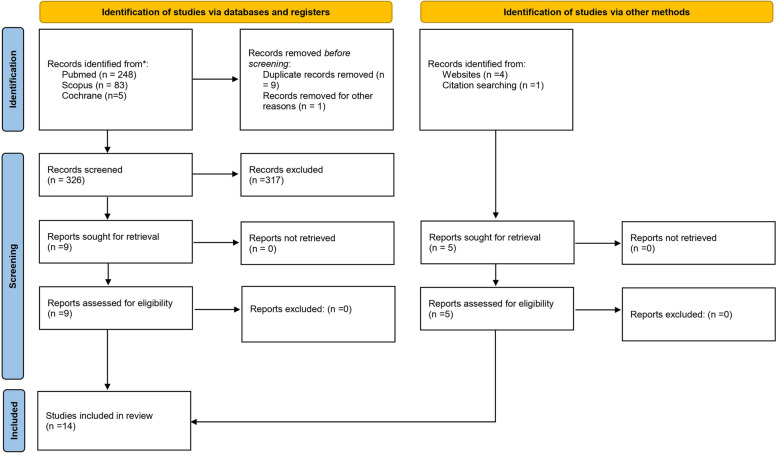
Methods: A comprehensive web search (PubMed, Scopus, Cochrane) was performed in July 2024 without language restrictions. The included studies were assessed using the modified consort statement for laboratory studies on dental materials. The outcomes were accuracy and surface quality, besides the cost and time efficiency of additively manufactured dental models printed in different directions.
Results: Following PRISMA guidelines, 14 records were included. Most records favored horizontally printed models with minor controversies regarding accuracy, material consumption, time, and cost efficiency. While orientation can influence surface quality, it is often more significantly affected by factors such as the printing technology used, the material properties, and the layer thickness.
Conclusions: Horizontal orientation has proven to be the most efficient for producing dental models, particularly for single-model manufacturing, due to its superior time and cost savings. However, large-scale and overnight massive production favors the vertical orientation since the platform accommodates twice to triple the models' numbers as horizontal orientation. The majority of studies favor horizontal orientation for its accuracy. Choosing the optimal orientation in additive manufacturing not only ensures precision of dental models, improving the fit of restorations and prostheses, but also leads to significant reductions in production time, material usage, and energy consumption, ultimately minimizing environmental impact.
Trial registration: Not applicable.
Keywords: Accuracy; Build-up angle; Dental models; Energy saving; Printing direction; Printing speed; Resin material; Surface quality.
© 2024. The Author(s).
Conflict of interest statement
Declarations. Ethics approval and consent to participate: Not applicable. Consent for publication: Not applicable. Competing interests: The authors declare no competing interests.
Figures
References
-
- De Luca CG, Pacheco-Pereira C, Lagravere MO, Flores-Mir C, Major PW. Intra-arch dimensional measurement validity of laser-scanned digital dental models compared with the original plaster models: a systematic review. Orthod Craniofac Res. 2015;18(2):65–76. - PubMed
-
- Manicone PF, De Angelis P, Rella E, Damis G, D’Addona A. Patient preference and clinical working time between digital scanning and conventional impression making for implant-supported prostheses: A systematic review and meta-analysis. J Prosthet Dent. 2022;128(4):589–96. - PubMed
-
- Monaco C, Ragazzini N, Scheda L, Evangelisti E. A fully digital approach to replicate functional and aesthetic parameters in implant-supported full-arch rehabilitation. J Prosthodont Res. 2018;62(3):383–5. - PubMed
-
- Koretsi V, Kirschbauer C, Proff P, Kirschneck C. Reliability and intra-examiner agreement of orthodontic model analysis with a digital caliper on plaster and printed dental models. Clin Oral Investig. 2019;23(8):3387–96. - PubMed
-
- Alghauli M, Alqutaibi AY, Wille S, Kern M. 3D-printed versus conventionally milled zirconia for dental clinical applications: Trueness, precision, accuracy, biological and esthetic aspects. J Dent. 2024;144:104925. - PubMed
Publication types
MeSH terms
Substances
LinkOut - more resources
Full Text Sources
