


Prevalence and impact of vasomotor symptoms due to menopause among women in Canada: A subgroup analysis from an international cross-sectional survey of Women with Vasomotor Symptoms Associated with Menopause (WARM Study)
- PMID: 39729068
- PMCID: PMC11896110
- DOI: 10.1097/GME.0000000000002451
Prevalence and impact of vasomotor symptoms due to menopause among women in Canada: A subgroup analysis from an international cross-sectional survey of Women with Vasomotor Symptoms Associated with Menopause (WARM Study)
Abstract
Objective: The aim of the study was to assess the prevalence of postmenopausal vasomotor symptoms (VMS) and the impact of VMS and related treatment patterns among perimenopausal and postmenopausal Canadian women.
Methods: A subgroup analysis of data from a cross-sectional online survey of women aged 40-65 years conducted November 4, 2021, through January 17, 2022, evaluated the prevalence of moderate/severe VMS among postmenopausal Canadian women. The analysis also assessed survey responses from perimenopausal and postmenopausal Canadian women with moderate/severe VMS who completed the Menopause-Specific Quality of Life questionnaire, Work Productivity and Activity Impairment questionnaire, and the Patient-Reported Outcomes Measurement Information System Sleep Disturbances-Short Form 8b and answered questions about treatment patterns and attitudes toward treatments.
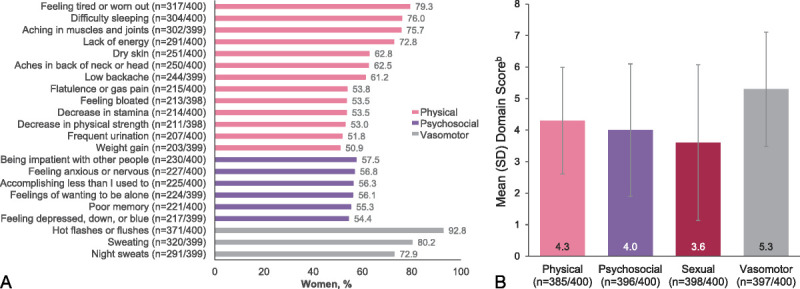
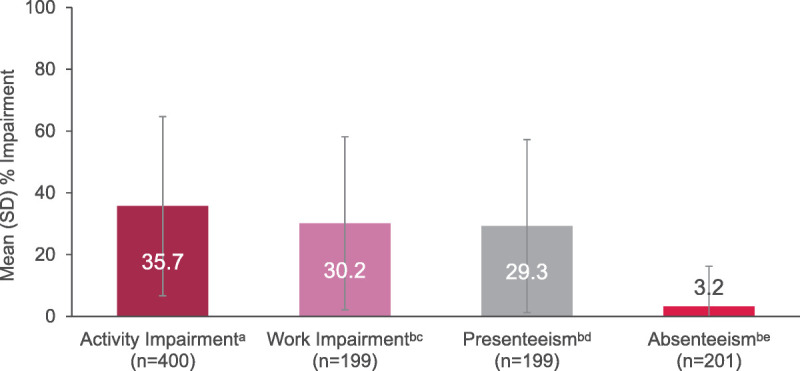
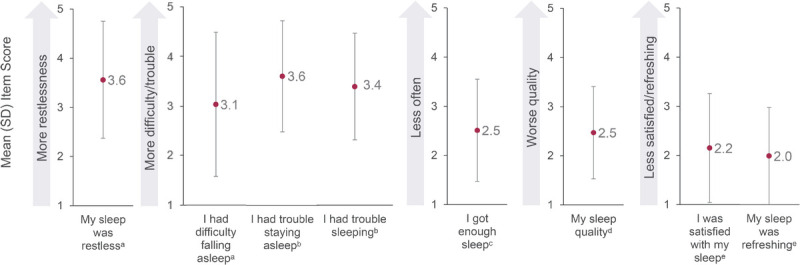
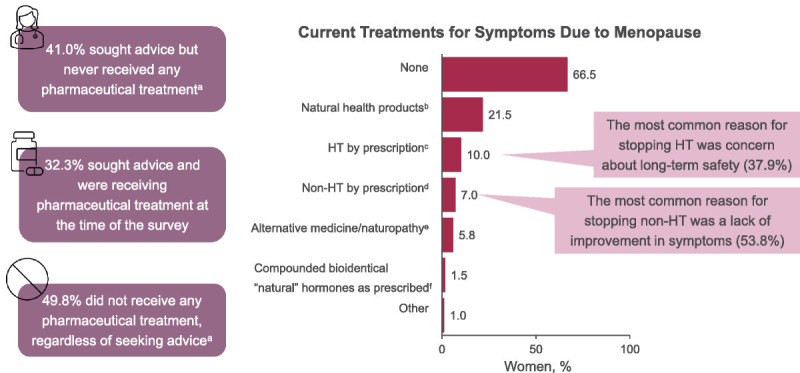
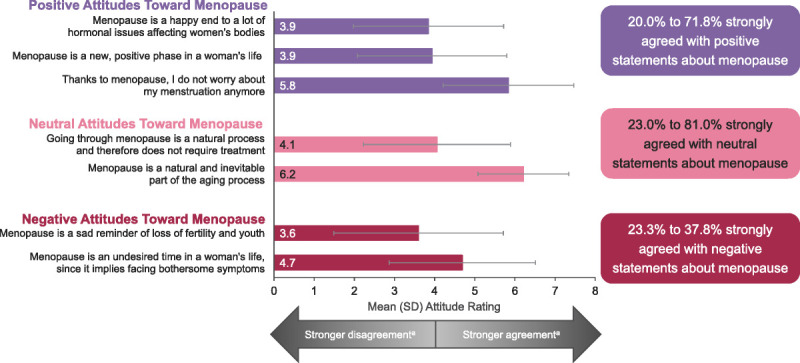
Results: Of 2,456 Canadian postmenopausal women, 360 (14.7%; primary analysis) reported moderate/severe VMS in the previous month. Perimenopausal and postmenopausal women with moderate/severe VMS (n = 400; secondary analysis) reported negative impact on overall quality of life (mean total Menopause-Specific Quality of Life questionnaire score: 4.3/8). VMS impaired overall work and daily activities by 30.2% and 35.7%, respectively. Overall mean (SD) Patient-Reported Outcomes Measurement Information System Sleep Disturbance-Short Form 8b score (scale 8-40) was 28.5 (6.9), confirming sleep disturbances in this population. The majority of women (88% of the total cohort) sought advice, but about half were never treated. Most women had positive or neutral attitudes toward menopause.
Conclusions: In a survey conducted in Canada, moderate/severe VMS were reported by 14.7% of postmenopausal women and were associated with impairment in quality of life, work productivity, daily activities, and sleep in perimenopausal and postmenopausal women.
Copyright © 2024 The Author(s). Published by Wolters Kluwer Health, Inc. on behalf of The Menopause Society.
Conflict of interest statement
Financial disclosures/conflicts of interest: N.Y.: advisory board participant and/or speaker for BioSyent, Bayer, Astellas, Eisai, Organon, and Duchesnay and recipient of an unrestricted research grant from Bayer. L.T.: employee of Astellas Pharma. L.S.: employee of Astellas Pharma Inc. at the time of the study. C.R.: employee of IQVIA, which developed and conducted the survey and analyzed the data in collaboration with Astellas Pharma. C.B.: advisory board participant and/or speaker for Astellas Pharma, Bayer Canada, BioSyent, Lupin Pharma, and Pfizer Canada and recipient of research grants from Astellas.
Figures
References
-
- English M Stoykova B Slota C, et al. . Qualitative study: burden of menopause-associated vasomotor symptoms (VMS) and validation of PROMIS sleep disturbance and sleep-related impairment measures for assessment of VMS impact on sleep. J Patient Rep Outcomes 2021;5:37. doi: 10.1186/s41687-021-00289-y - DOI - PMC - PubMed
MeSH terms
LinkOut - more resources
Full Text Sources
Medical
