


Development of an accurate breast cancer detection classifier based on platelet RNA
- PMID: 39730431
- PMCID: PMC11680589
- DOI: 10.1038/s41598-024-80175-x
Development of an accurate breast cancer detection classifier based on platelet RNA
Abstract
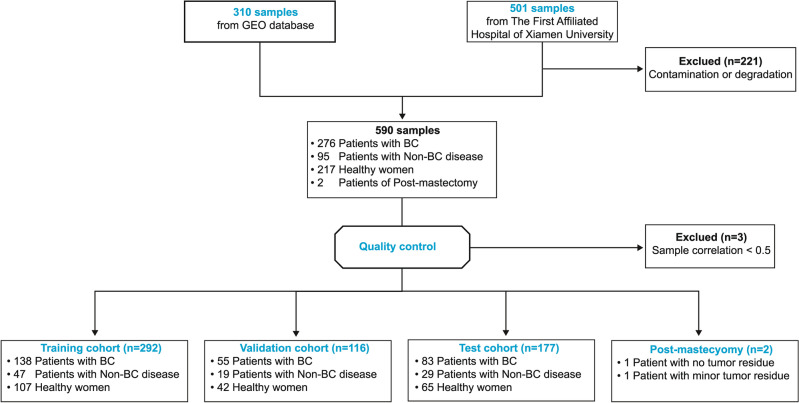
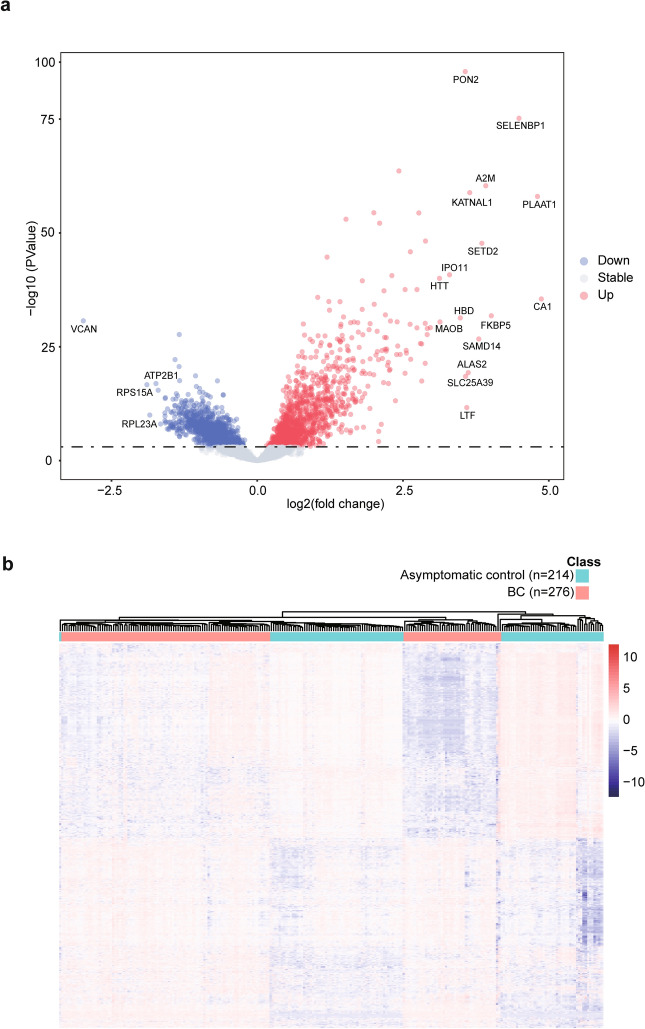
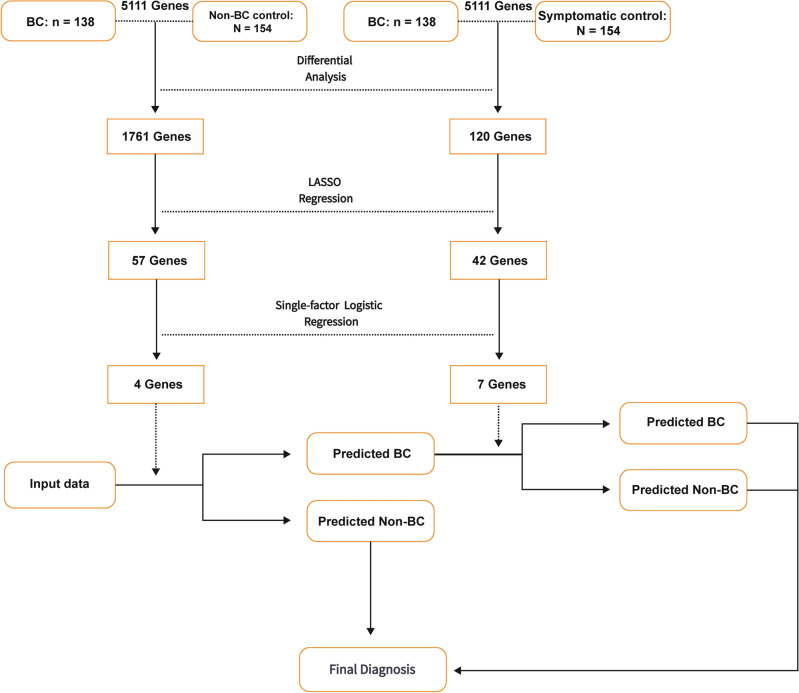
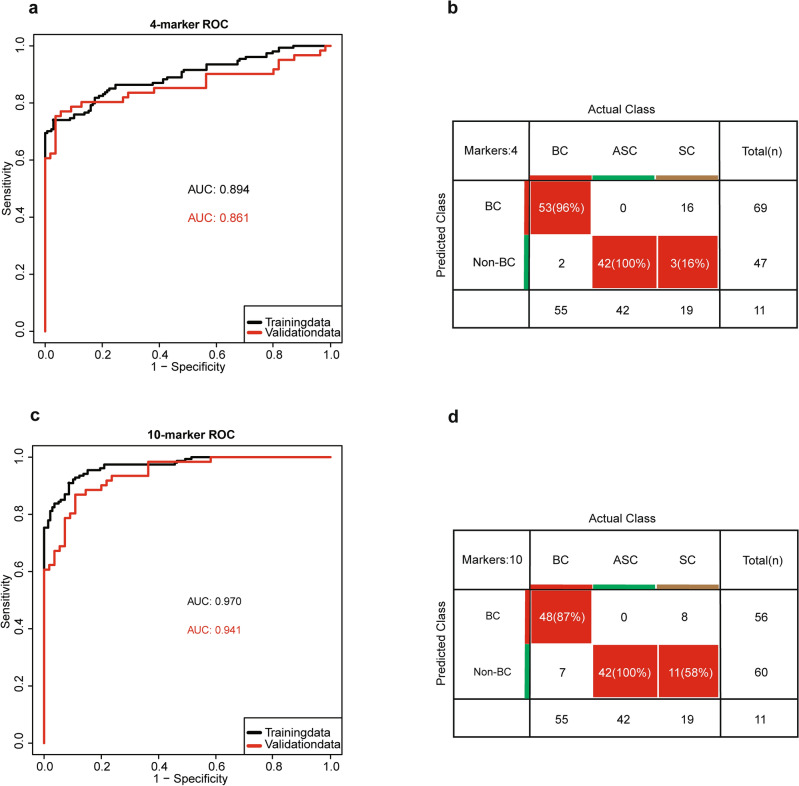
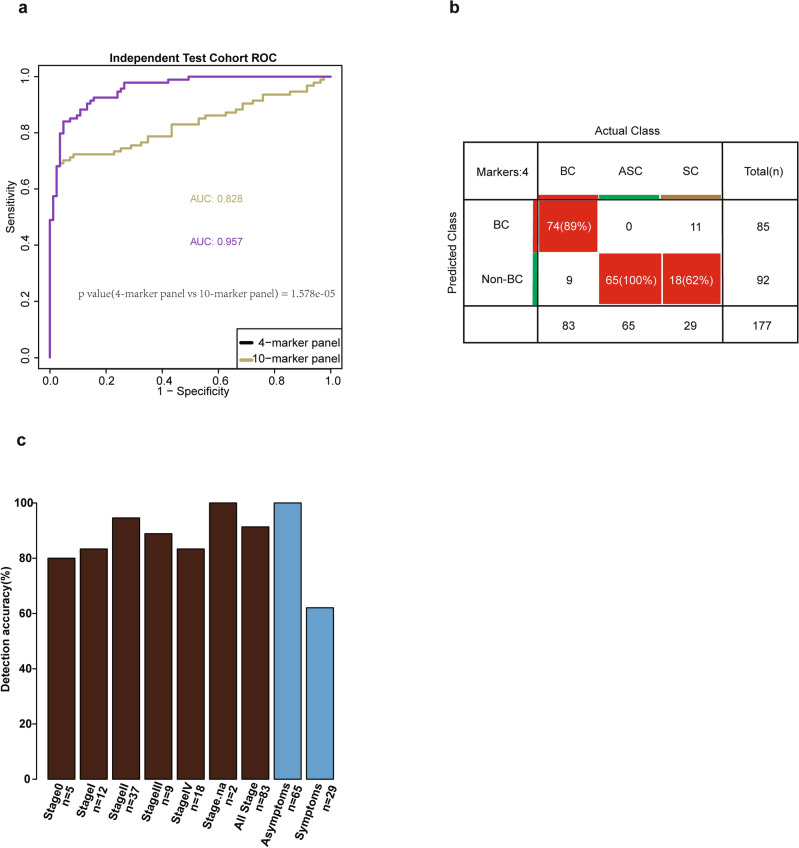
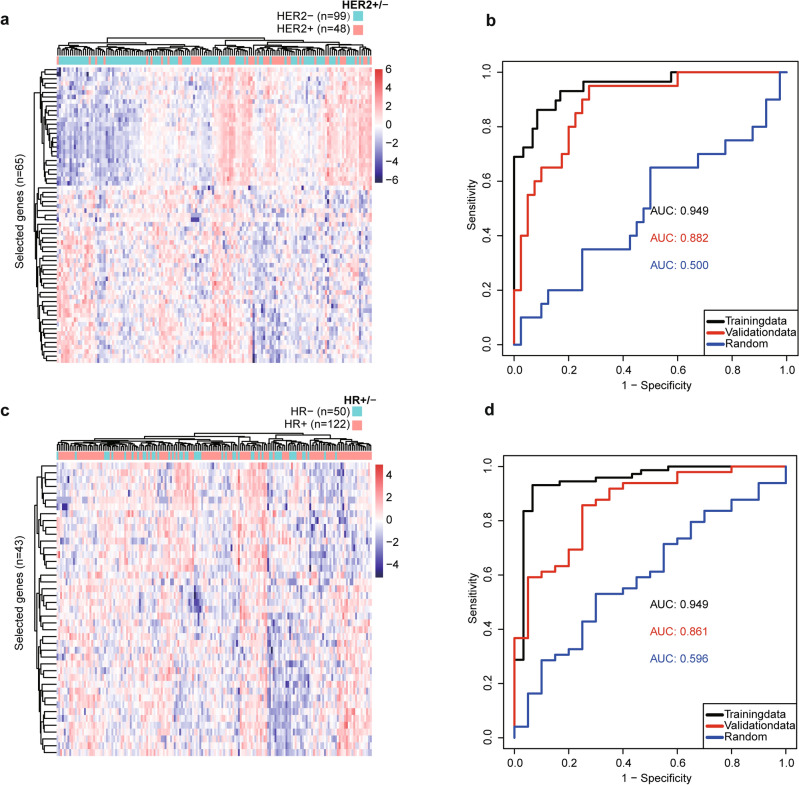
Platelets possess cancer-induced reprogramming properties, thereby contributing to RNA profile alterations and further cancer progression, while the former is considered a promising biosource for cancer detection. Hence, tumor-educated platelets (TEP) are considered a prospective novel method for early breast cancer (BC) screening. Our study integrated the data from 276 patients with untreated BC, 95 with benign disease controls, 214 healthy controls, and 2 who underwent mastectomy in Chinese and European cohorts to develop a 10-biomarker diagnostic model. The model demonstrated high diagnostic performance for BC in an independent test set (n = 177) with an area under the curve of 0.957. The sensitivity for BC diagnosis was 89.2%, with 100% specificity in asymptomatic controls, while that for the symptomatic group, including benign tumors and inflammatory diseases, was 62.1%. The model demonstrated substantial accuracy for stages 0-III BC (80% for stage 0 [n = 5], 83.3% for stage I [n = 12], 94.6% for stage II [n = 37], and 88.9% for stage III [n = 9]) and precisely helped determine residual cancer in two patients who underwent mastectomy. Moreover, our developed classifiers distinguish different BC subtypes properly. In summary, we created and tested a new TEP-RNA-based BC diagnostic model that was confirmed valid and demonstrated high efficiency in detecting early-stage BC and heterogeneous subtypes, including recurrent tumors. However, these results warrant more validation in larger population-based prospective studies before clinical implementation.
© 2024. The Author(s).
Conflict of interest statement
Declarations. Competing interests: The authors declare no competing interests. Study approval: This study was approved by the Ethics Committees of the First Affiliated Hospital of Xiamen University (XMYY-2021KYSB005). This study does not include any experiments with animals performed by any of the authors.
Figures
References
MeSH terms
Substances
LinkOut - more resources
Full Text Sources
Medical
